
I found 16 WILD AI Filmmaking Tool Updates | AI Film News

In this article and video tutorial, we’ll dive into a Seedance 2.5 multi-character reference workflow, along with a few other pieces of AI Film News.
This week, we saw major updates to AI video, image editing, music generation, voice cloning, and 3D scene reconstruction. It's another exciting week for AI filmmakers.
Before we dive in, here are the highlights:
Seedance 2.5 expands its reference workflow
We tested Ideogram’s Object Remover and P-Image Model
Google updates their music model Lyria
Bland AI enters voice generation and cloning
InSpatio QuerySplat Turns Images into 3D Scenes
And a ton more, so let’s jump right in!
I found some WILD AI Filmmaking Tool Updates | AI Film News
Below we breakdown the top new AI tools and other AI Film news from the past week.
I found some WILD AI Filmmaking Tool Updates | AI Film News
Here’s a list of all the AI news from the past few weeks.
1. Seedance 2.5 Supports Up to 50 Reference Assets in 30s clips
Seedance 2.5 now supports up to 50 reference assets, including characters, props, and locations, making it much easier to build scenes with consistent visual elements.
We uploaded multiple reference images of the Curious Refuge team inside Dreamina and generated a single scene using those assets together.
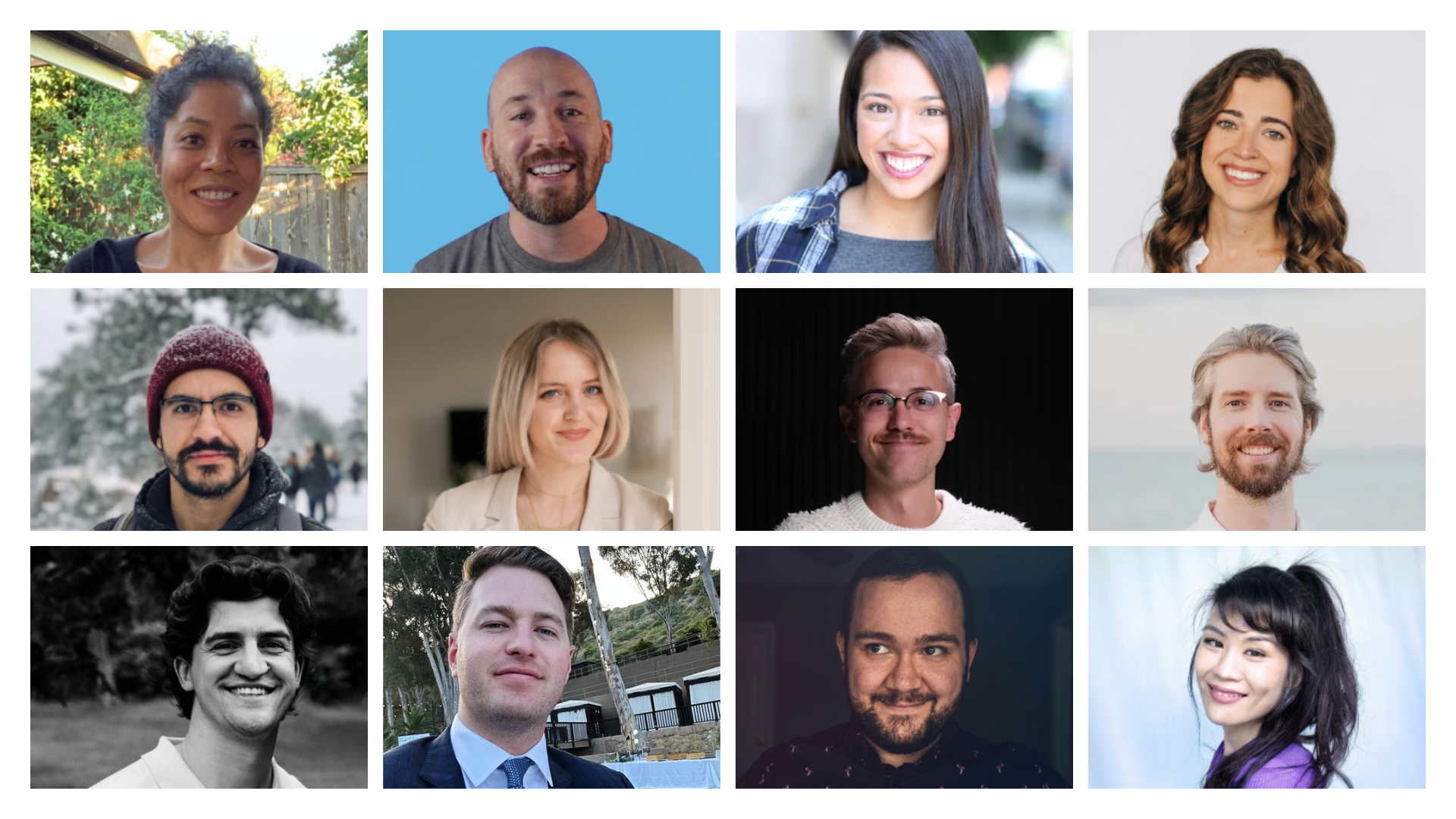
Character References
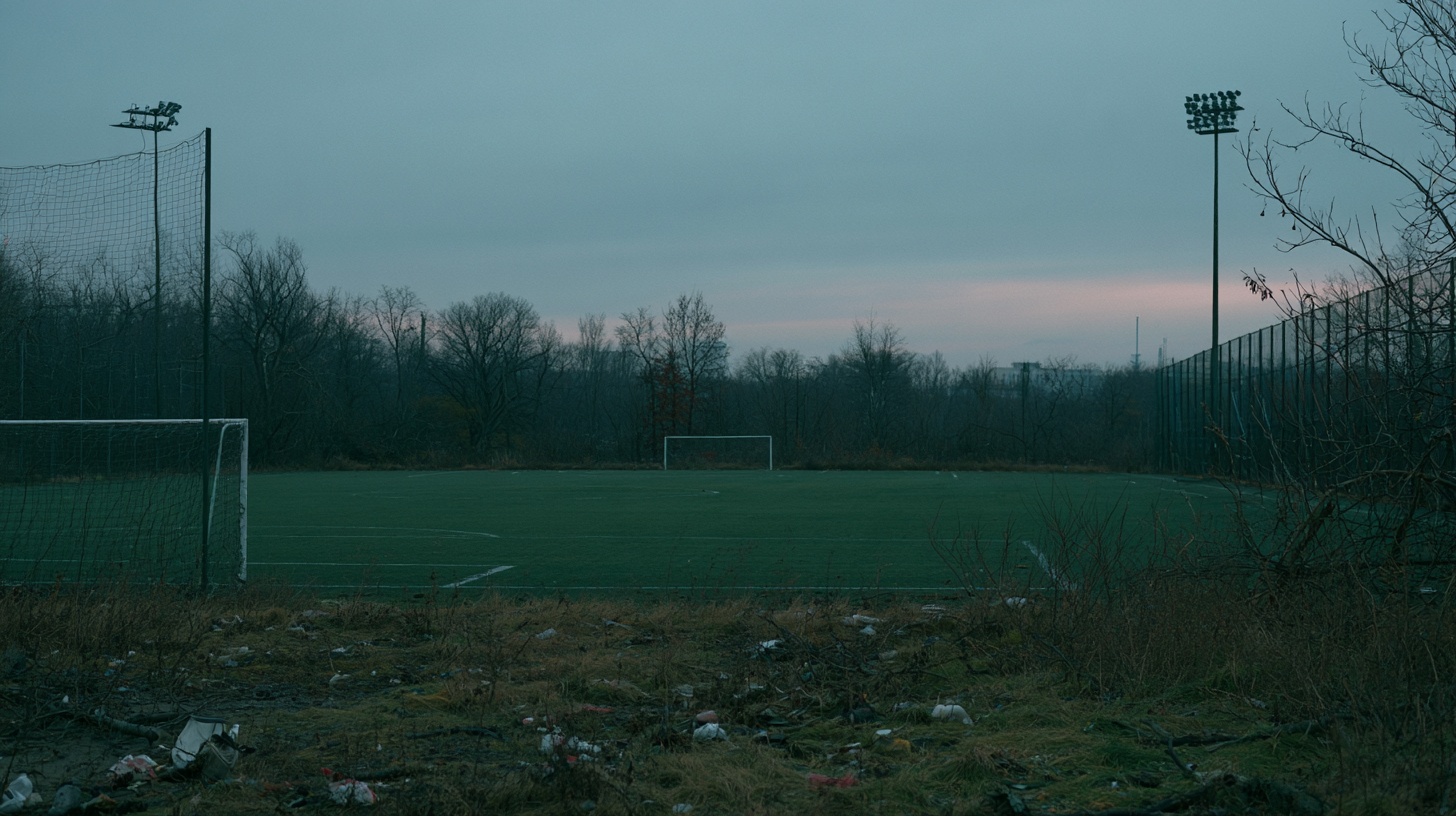
Location Reference
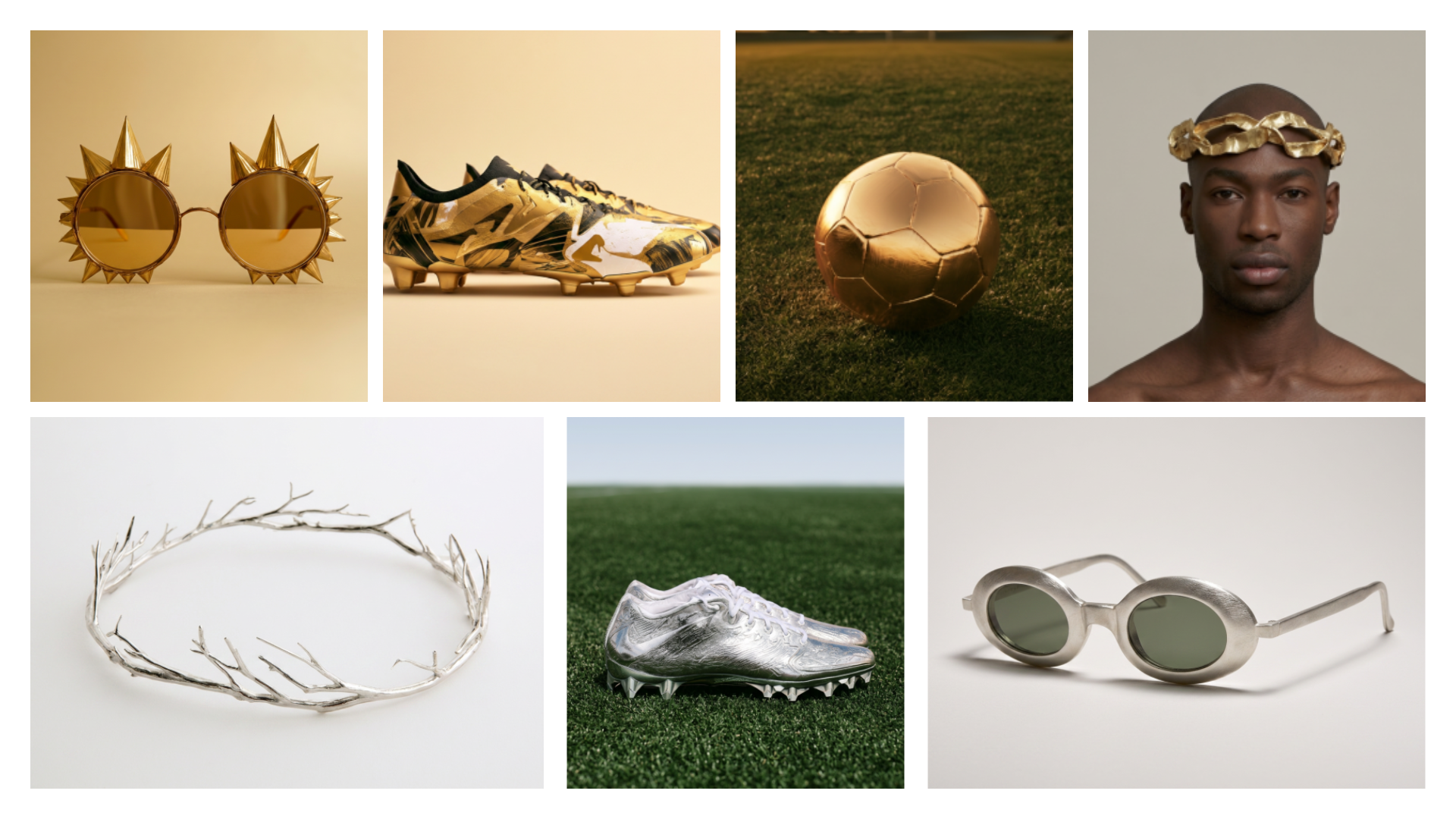
Prop References
Seedance 2.5 with 11 Reference Images
Seedance 2.5 with 20 Reference Images
It is pretty impressive to see that many reference assets brought together in a single generation.
The big benefit is that filmmakers can begin building reusable groups of characters, locations, and objects instead of starting over with every shot.
The biggest question now is how consistently those elements hold up across an entire sequence, but it's a really interesting step forward for reference-based AI filmmaking.
This is not the only test we ran on Seedance 2.5. We also compared Seedance 2.5’s image quality, motion, physics, and overall performance in this tutorial.
Overall, Seedance 2.5 is a solid improvement over 2.0.
The expanded reference workflow is genuinely exciting, but issues with physics, continuity, and artifacting mean there's still room to grow.
2. Ideogram Introduces Object Remover
Ideogram has launched a new Object Remover that makes it easy to clean up unwanted distractions in your images.
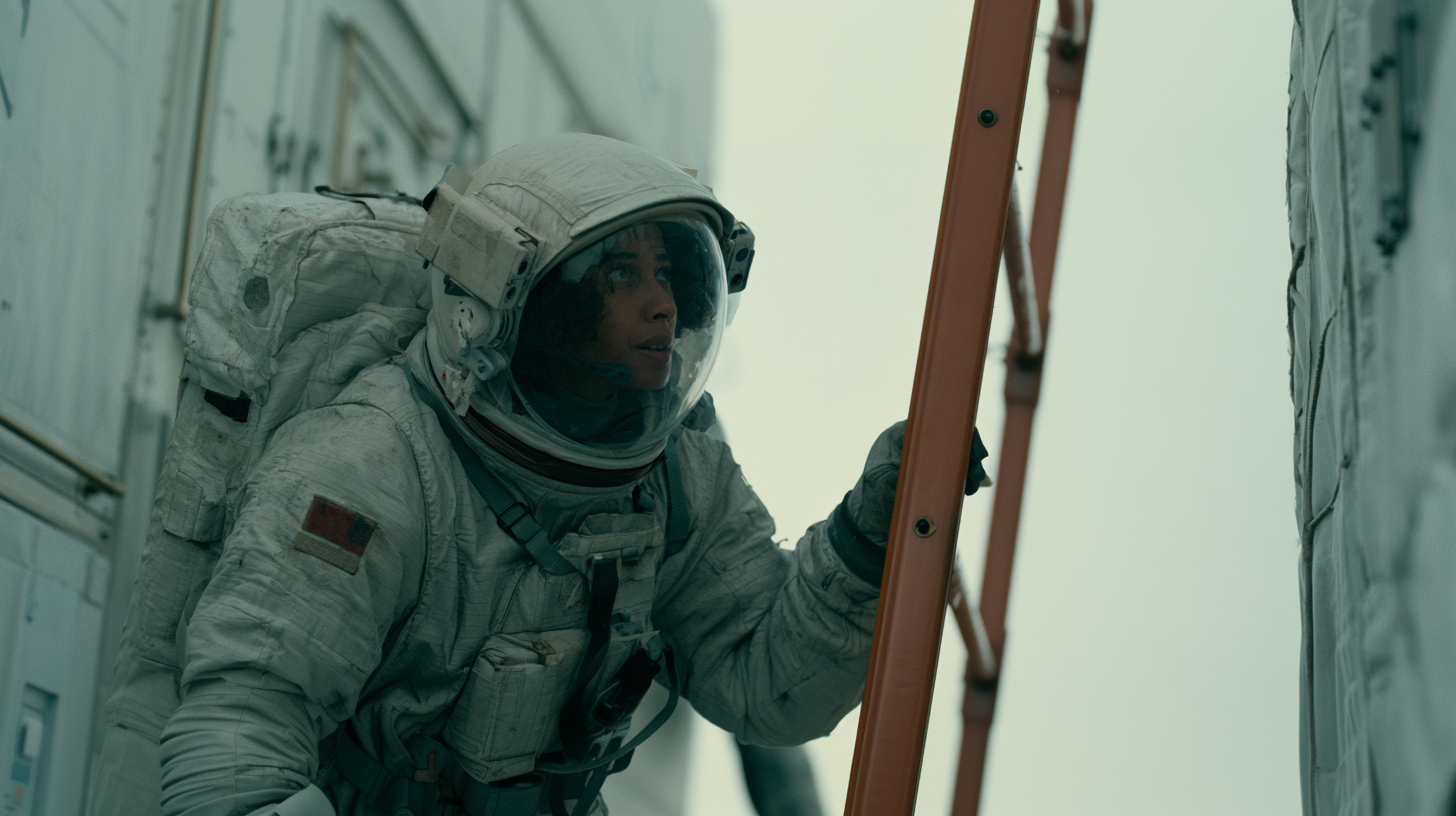
Original Image
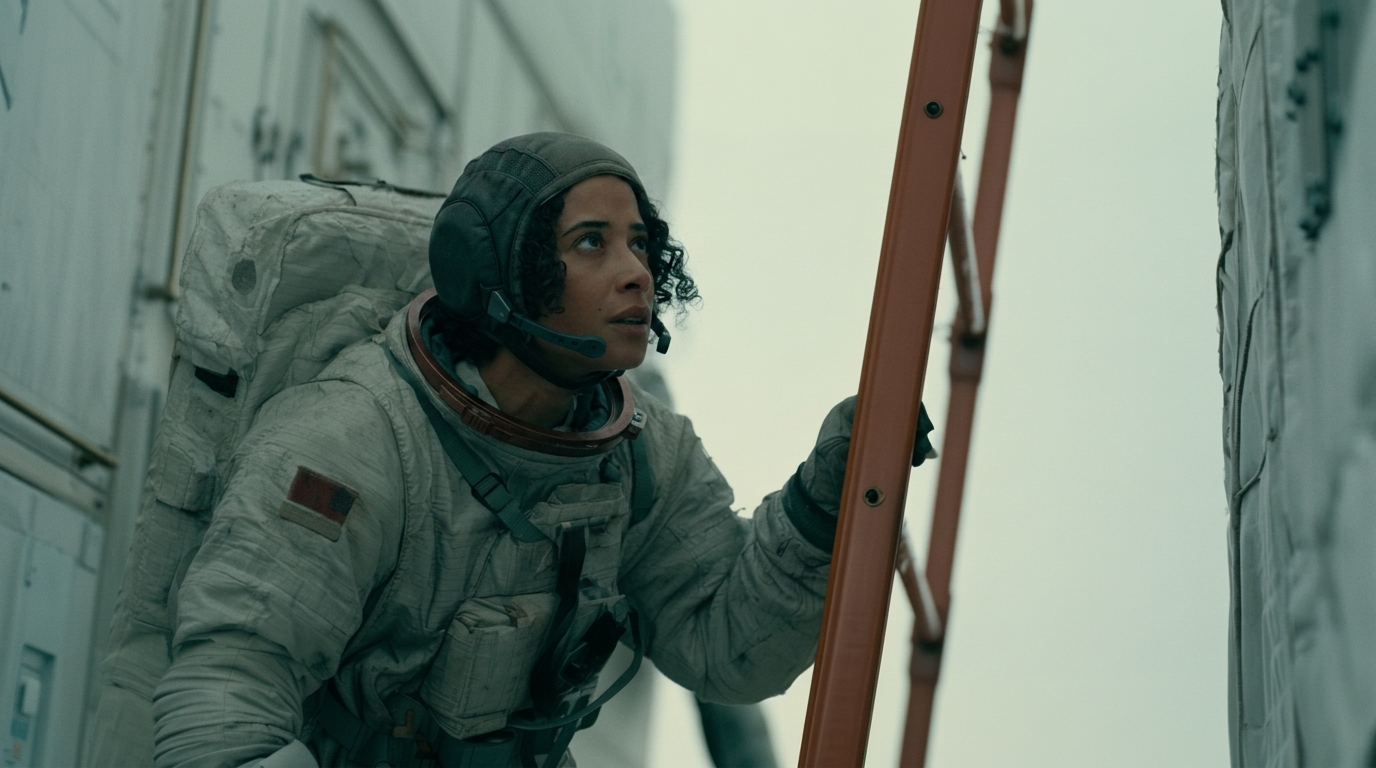
Ideogram Object Remover

Original Image
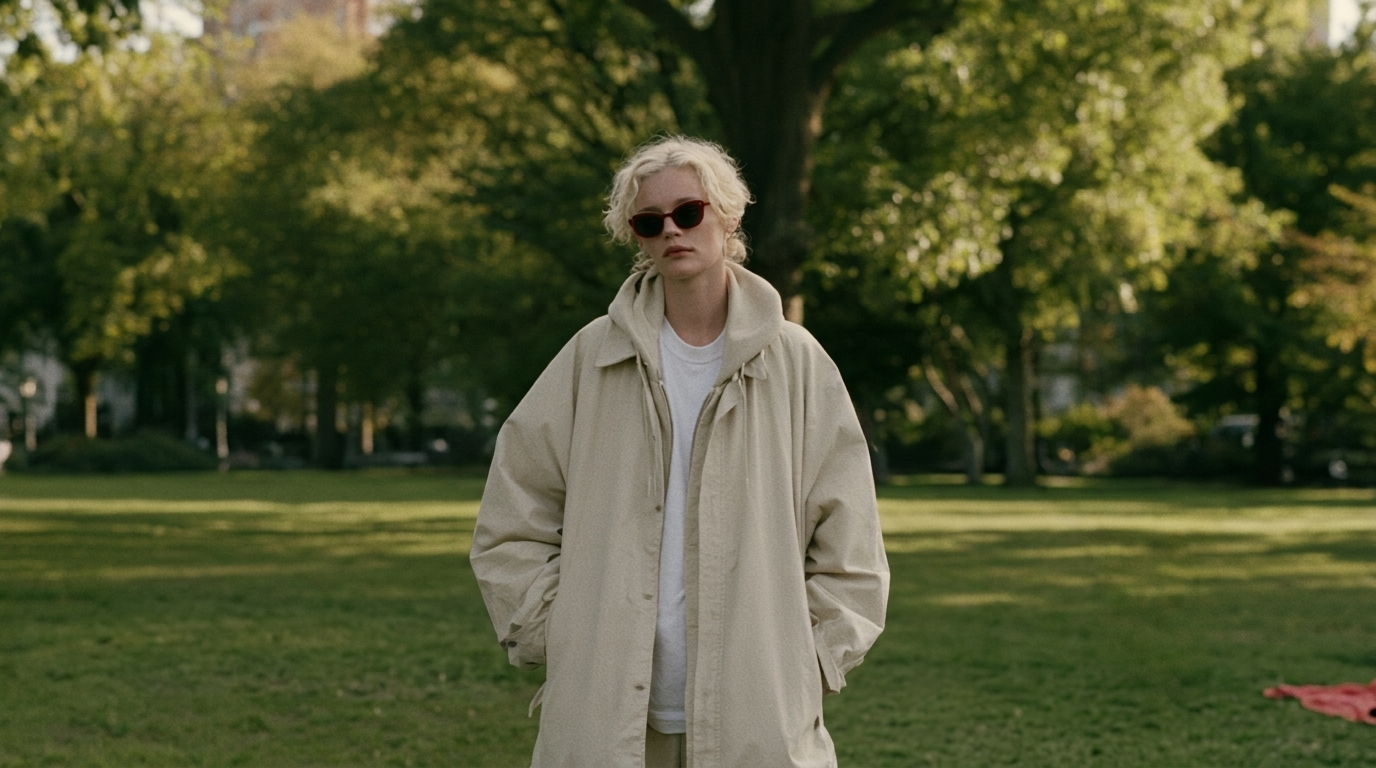
Ideogram Object Remover
Results will vary depending on how much of the image is hidden, but for removing unwanted objects, text, or background distractions, this looks like a really useful addition to Ideogram's editing toolkit.
3. Ideogram Launches P-Image
Alongside its updated Object Remover, Ideogram also introduced P-Image, a new AI image model designed to generate realistic 1K images in as little as 2–5 seconds.
To see how it performs, we compared P-Image model against other AI image models like Nano Banana Pro and Midjourney 8.2 inside Magnific.
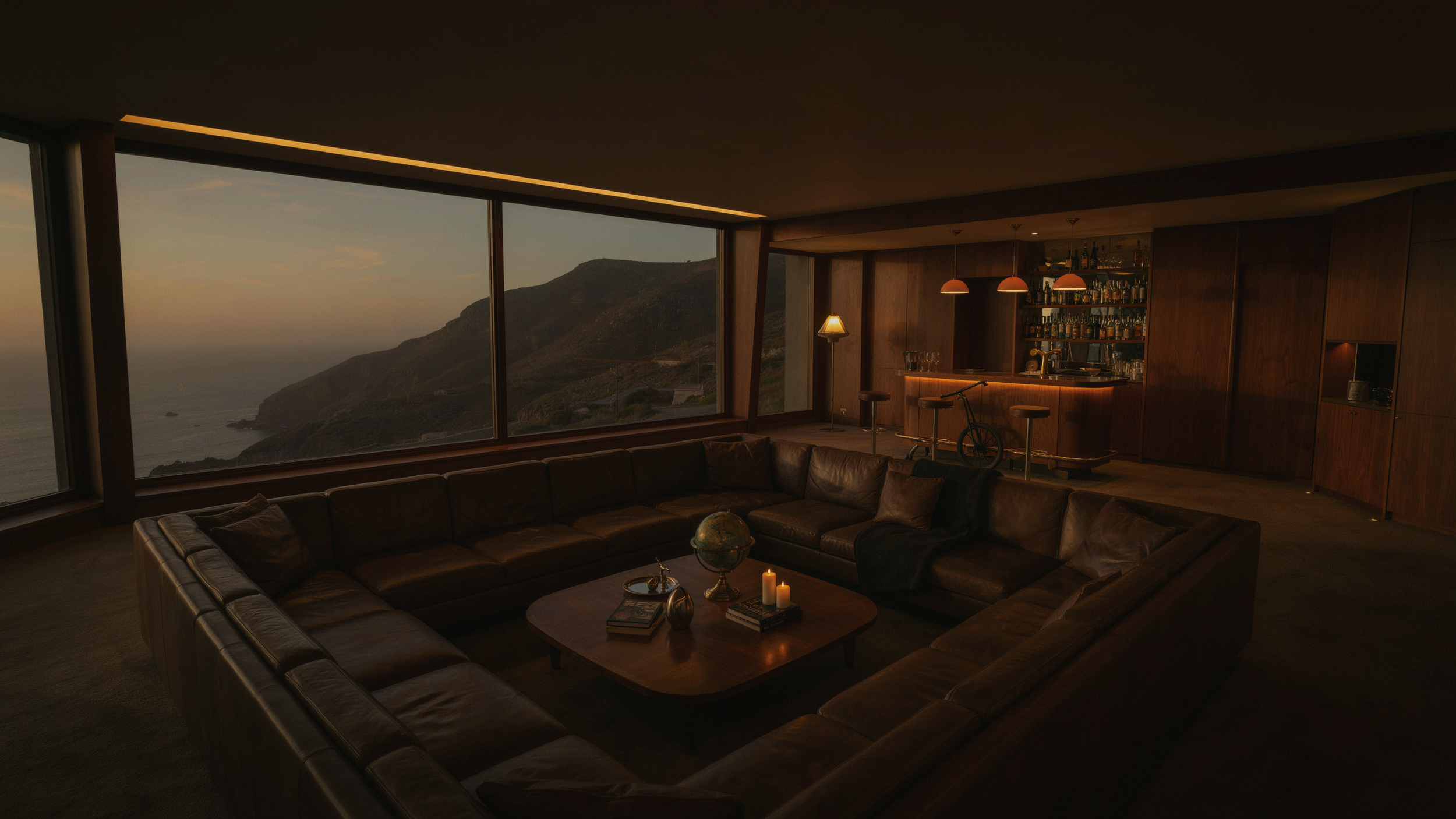
P-Image Ideogram
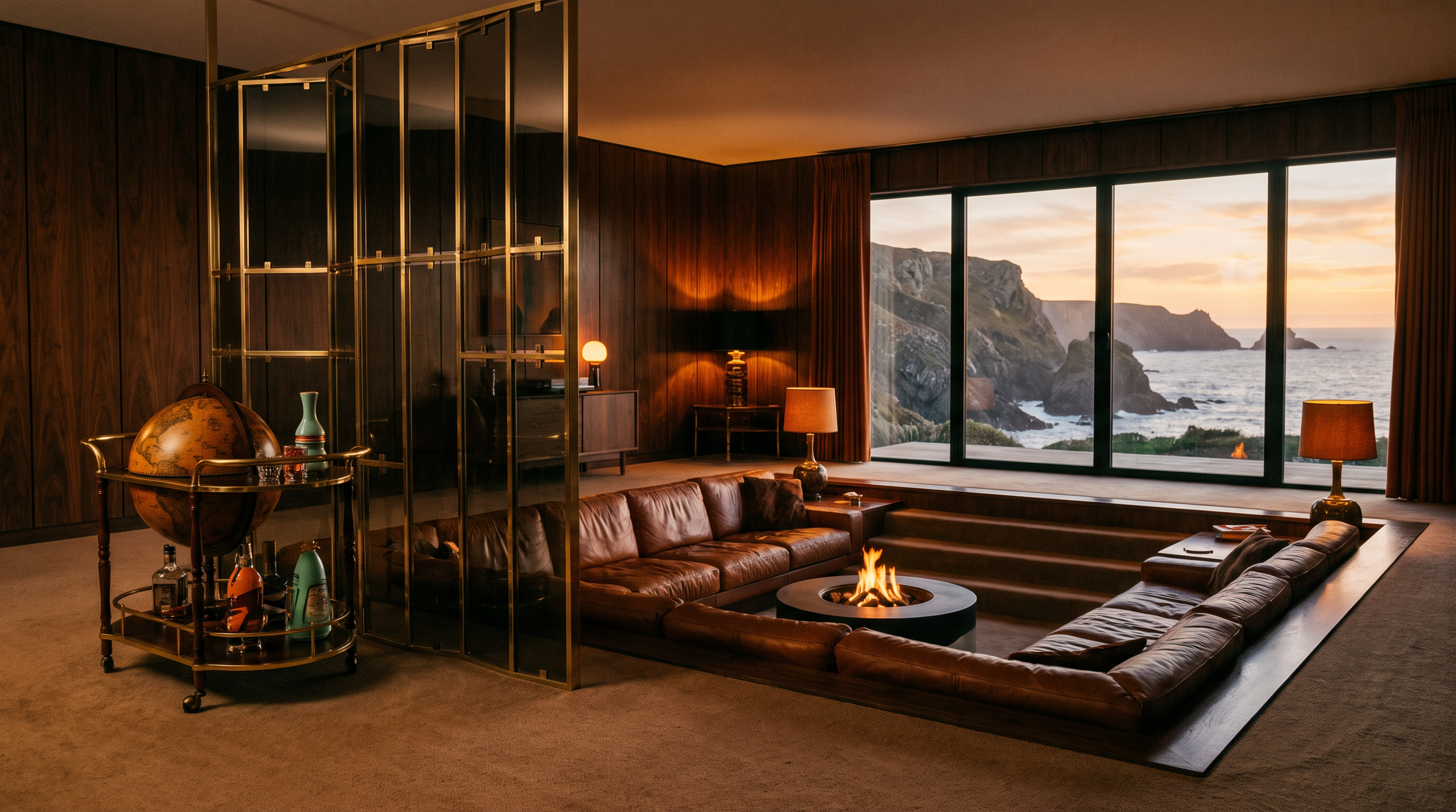
Nano Banana Pro
Midjourney 8.2
P-Image Ideogram
Nano Banana Pro

Midjourney 8.2
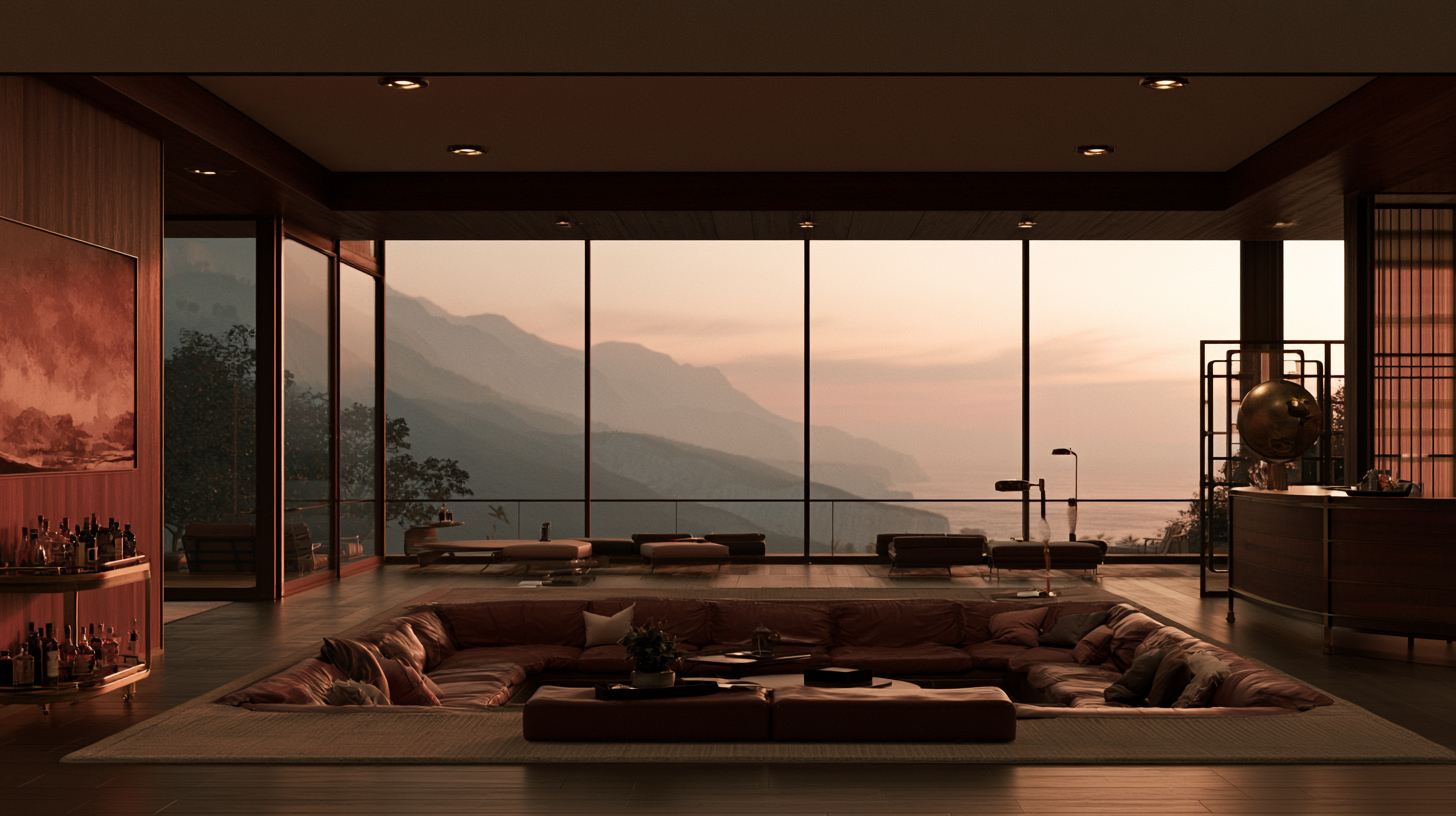
When compared to Nano Banana Pro and Midjourney, each model had different strengths.
Nano Banana often produced more intelligent compositions and stronger image editing, while Midjourney continued to excel at highly stylized cinematic aesthetics.
P-Image's biggest advantage is its combination of speed and cost, generating images for roughly one cent each, making it a compelling option for rapidly exploring visual ideas before refining them with another tool.
4. Google Lyria 3.5
Google continues to improve Lyria, its AI music generation model, with tools that give creators more control over how songs are structured.
Instead of relying on a simple text prompt, you can specify details like the song's tempo, instrumentation, and even outline sections such as the verse, pre-chorus, and chorus.
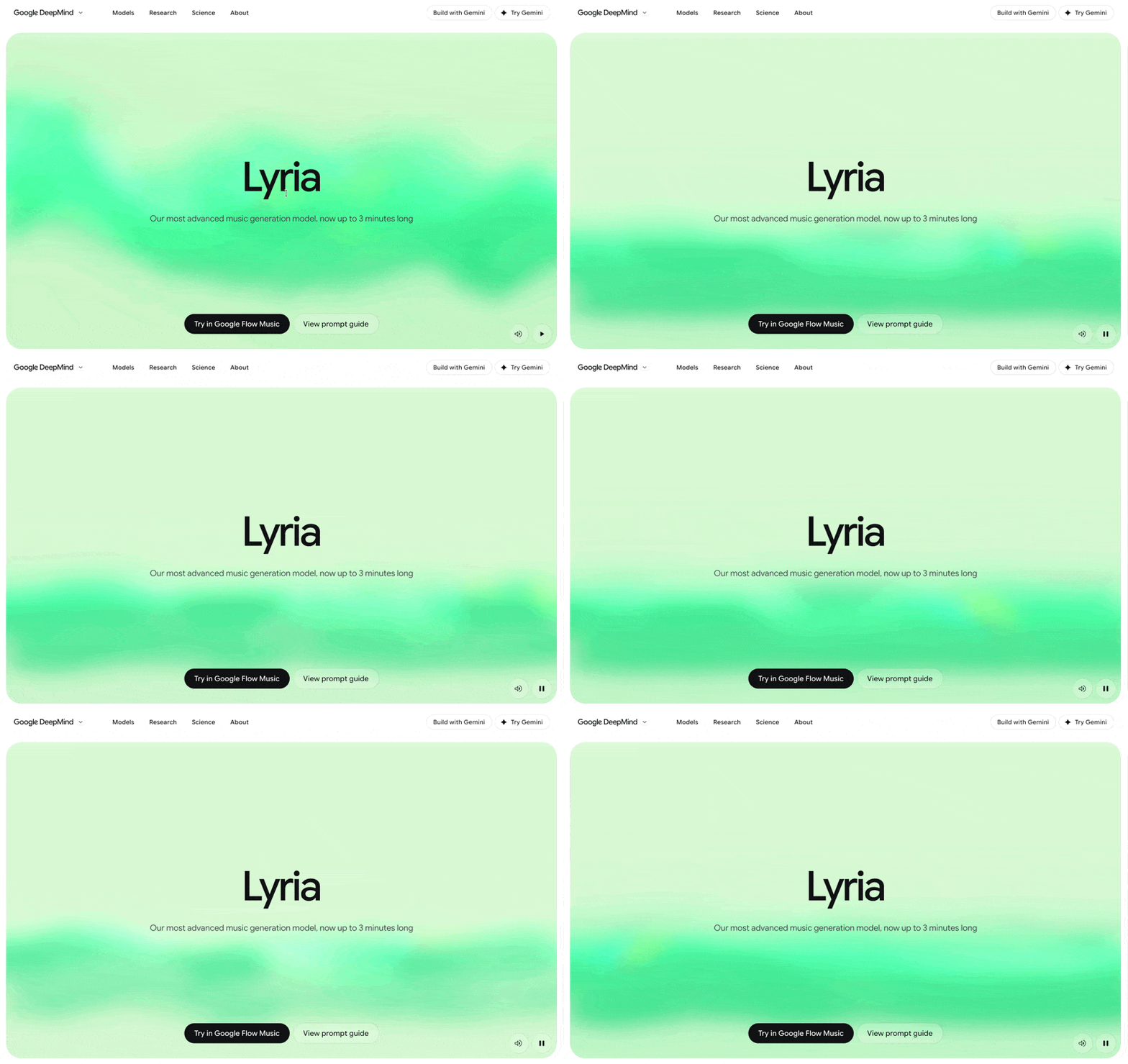
In our demo, we generated a track at 122 BPM with a detailed prompt describing the song's structure and overall style:
“Electronic, vocal deep house, pop, swinging four-on-the-floor beat, shuffling hi-hats, warm sidechained basslines, rhythmic synth chords, soulful intimate female vocals, expressive breathy delivery, euphoric yet melancholic mood, polished production, late-night dancefloor atmosphere, 122 BPM, A minor key”
That level of control could make Lyria especially useful for filmmakers and content creators who need music to build energy or transition at specific moments in a scene.
5. Bland AI Expands Into Speech Generation
Bland AI is best known for its AI phone agents, but the company is also expanding into speech generation and voice cloning.
Bland AI Expands Into Speech Generation
We put it head-to-head against ElevenLabs using speech generation and instant voice cloning.
With text-to-speech, we find that ElevenLabs delivered the more natural and realistic voice and better emotional nuance.
With instant voice clone, neither versions were convincing, and professional voice cloning is still the way to go, but if I had to choose, I’d still go with ElevenLabs.
Overall, Bland Speech feels more geared toward conversational AI than filmmaking, but it's always exciting to see more competition in the space.
6. InSpatio QuerySplat Turns Images into 3D Scenes
InSpatio introduced a new feature that creates 3D Gaussian splat from just a handful of images.
Query Splat can basically reconstruct an explorable environment from uploaded photos, allowing us to move around the scene and view it from entirely new angles.
What stood out most was the sense of depth. Whether exploring a room, looking around a dog, or peeking behind objects on a bookshelf, the reconstructions felt surprisingly immersive.
While the technology still has limitations and has to infer information that isn't visible in the original images, it's exciting to see how quickly these 3D world-building tools are improving.
7. HeyGen Launches AI Video Podcasts
HeyGen has introduced a new Video Podcast tool that makes it surprisingly easy to generate AI-powered conversations between virtual hosts.
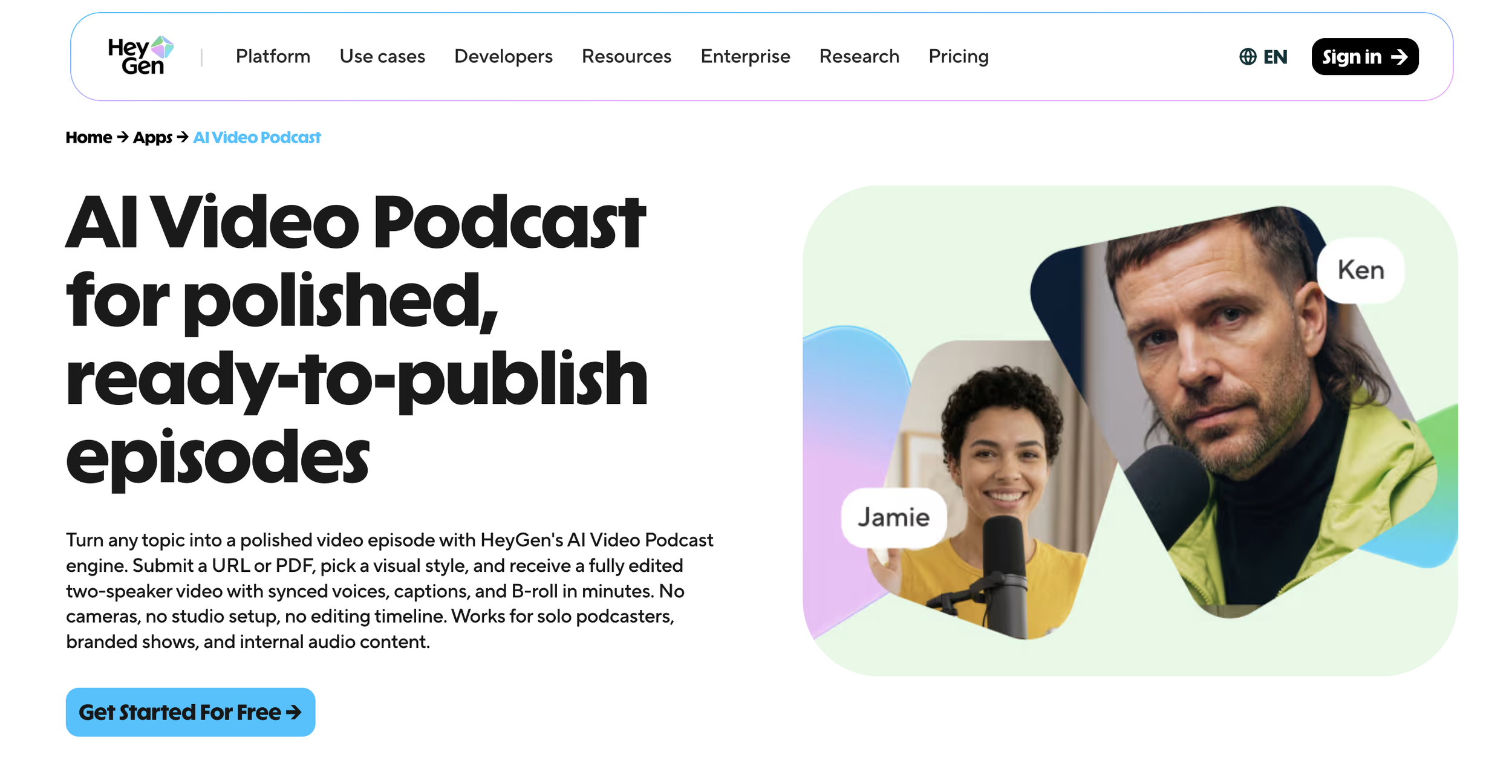
Users can create a discussion from a simple prompt, upload their own script, or provide supporting information for the AI to reference during the conversation.
In our demo, we generated a two-person podcast about the best fast-food chains using HeyGen's built-in avatars and voice clones.
The platform also lets you customize the video's resolution, aspect ratio, and length, making it a straightforward way to produce podcast-style content without recording either speaker.
8. Topaz Adds Wonder 3.5 and Bloom 2
Topaz has released two new AI upscaling models: Wonder 3.5, designed for general image enhancement, and Bloom 2, which is specifically trained to upscale AI-generated images.
In our tests, Wonder 3.5 generally produced cleaner, more natural-looking results, especially with real-world images and textures.

Original Image

Wonder 3.5
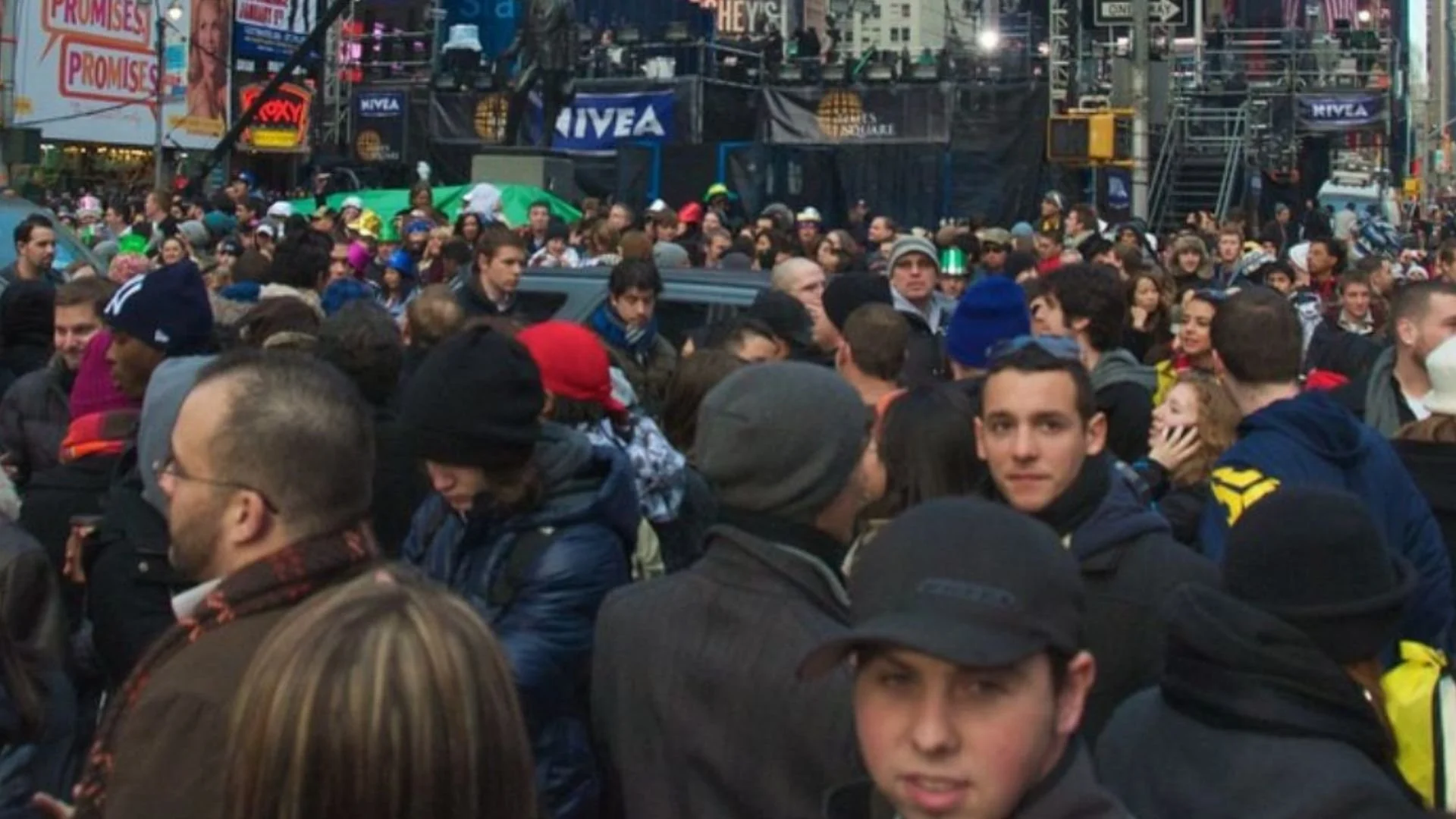
Original Image
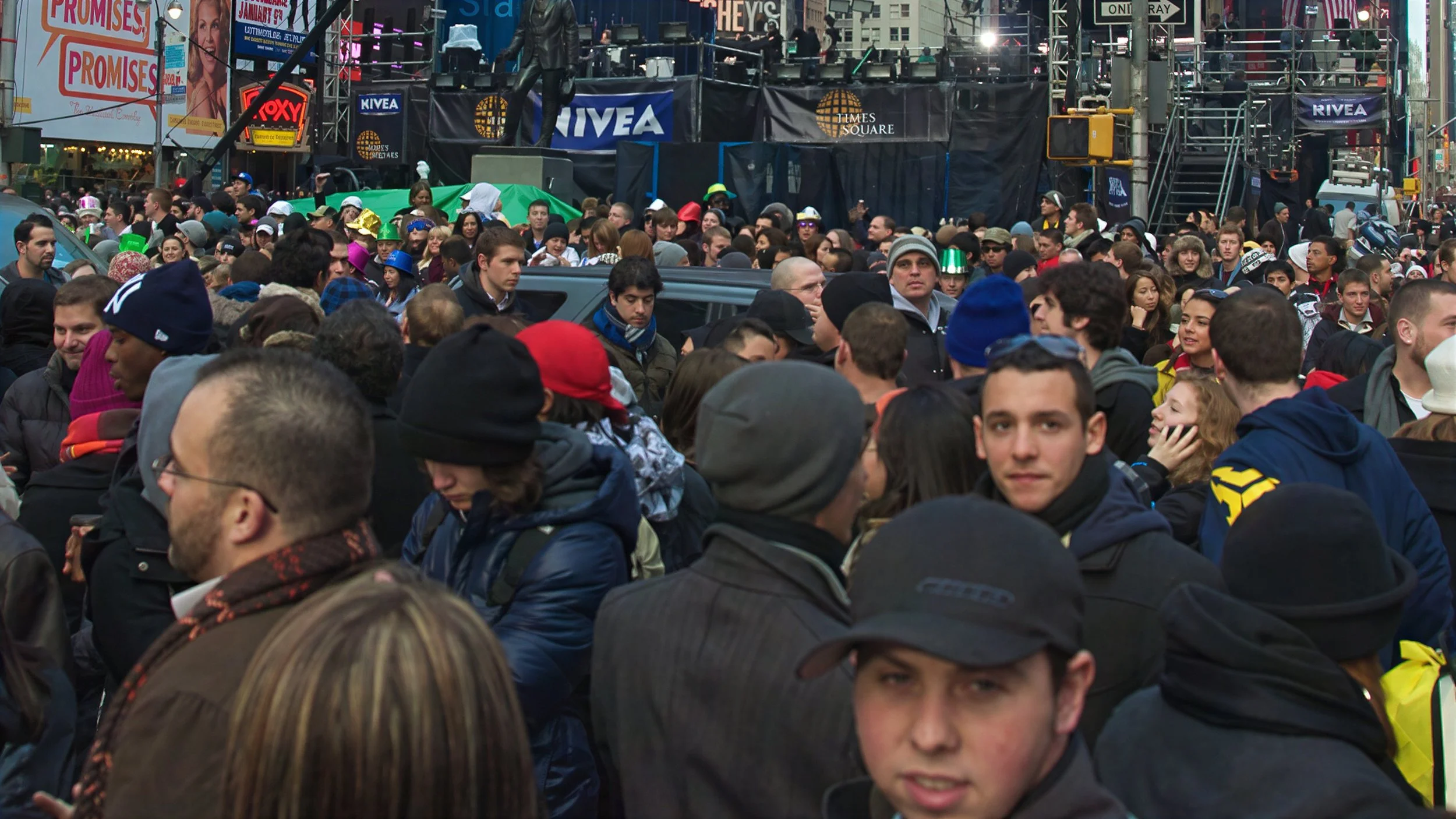
Wonder 3.5
Bloom 2 was often better at creatively reconstructing AI-generated images, but occasionally introduced synthetic textures or over-interpreted details.
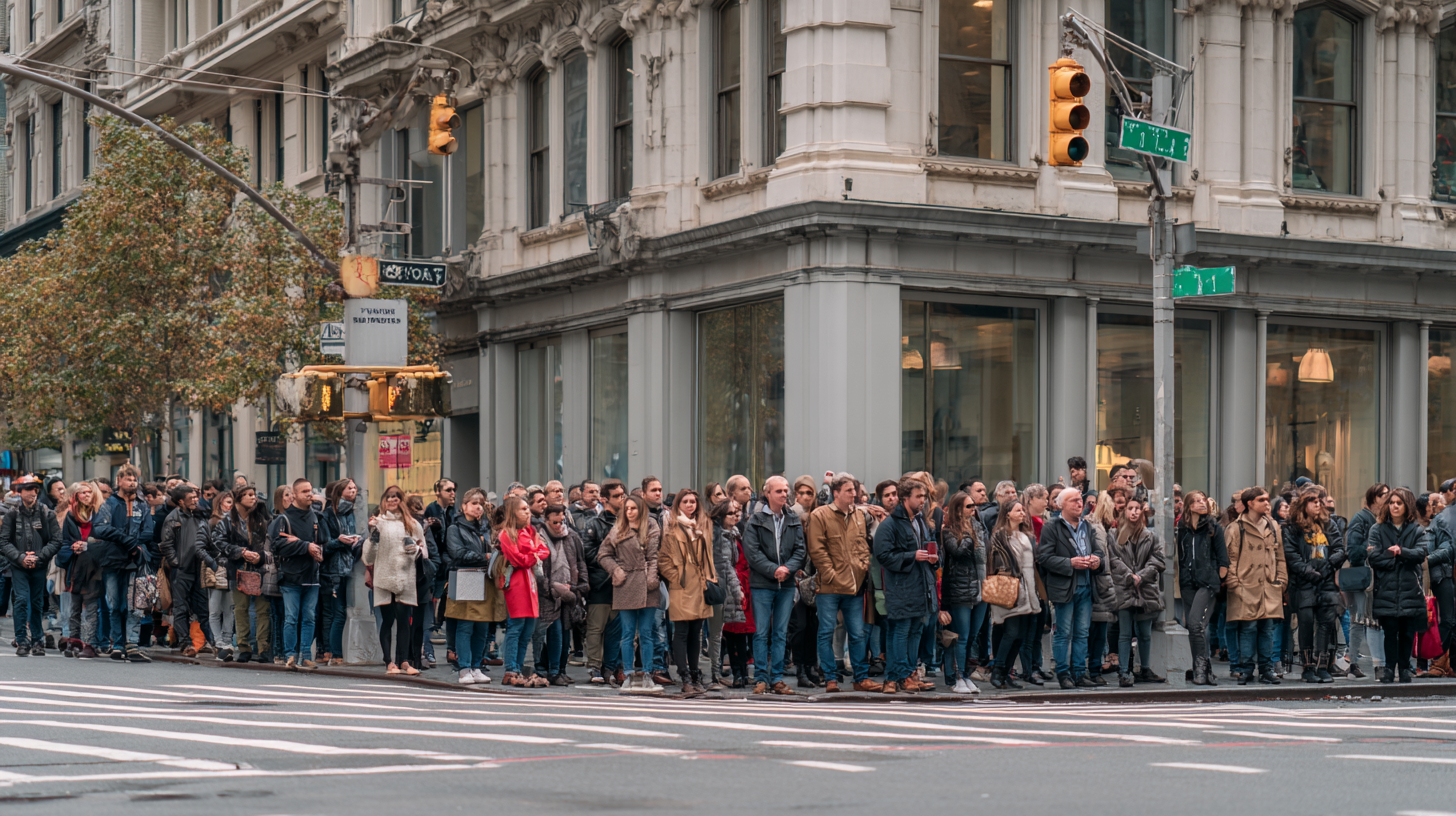
Original Image
Bloom 2
Original Image
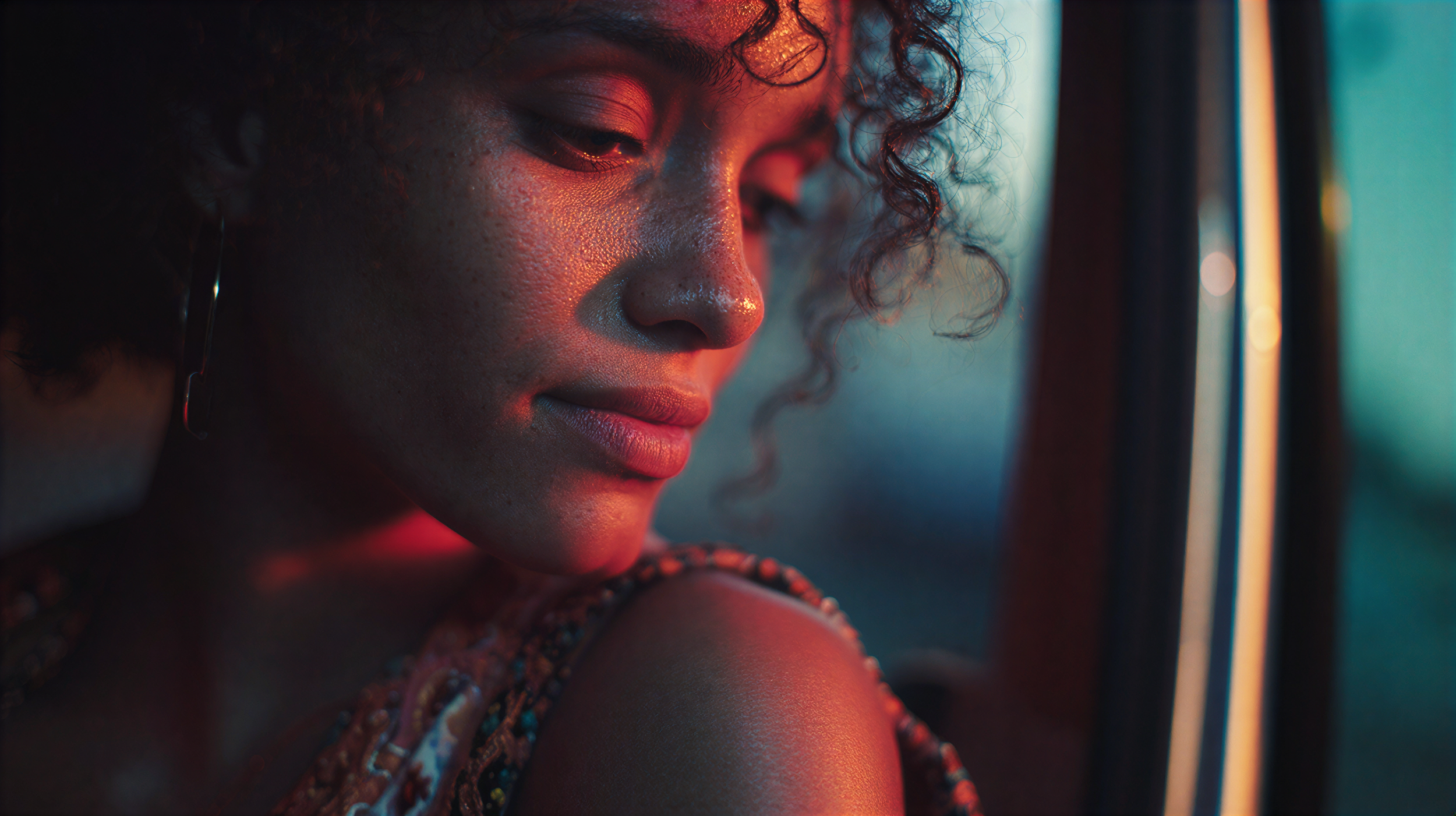
Bloom 2
Neither model was perfect, but each showed clear strengths depending on the type of image being enhanced.
Overall, Wonder 3.5 is our pick for general image upscaling, while Bloom 2 is a solid option when working specifically with AI-generated images.
8. Curious Refuge Community Meetups
One of the highlights of this week was getting to connect with our Los Angeles community in person.
We'd also like to give a big shoutout to our Curious Refuge communities in Dubai and Vancouver for hosting meetups this week.
It's always inspiring to see filmmakers connecting around the world.
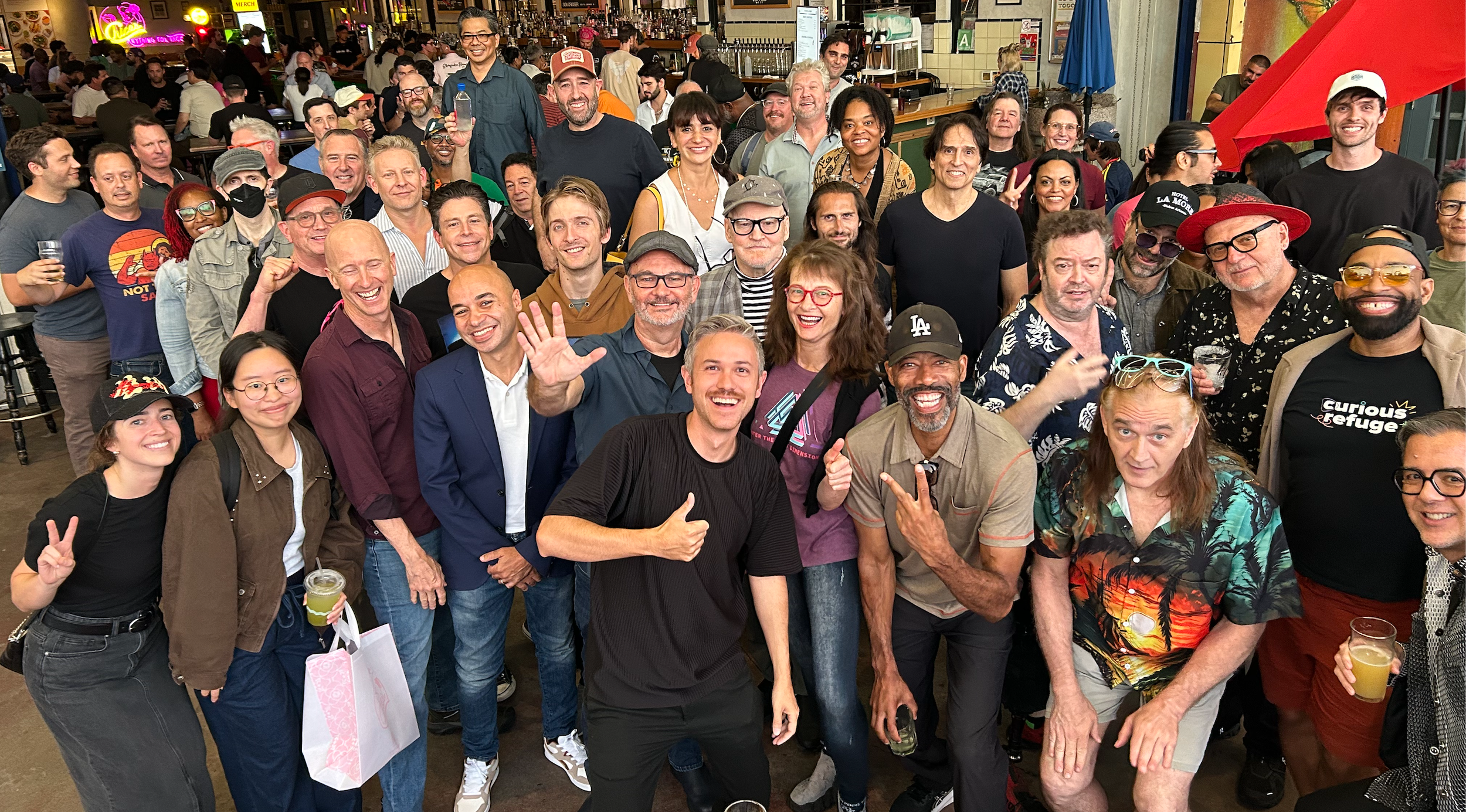
Los Angeles
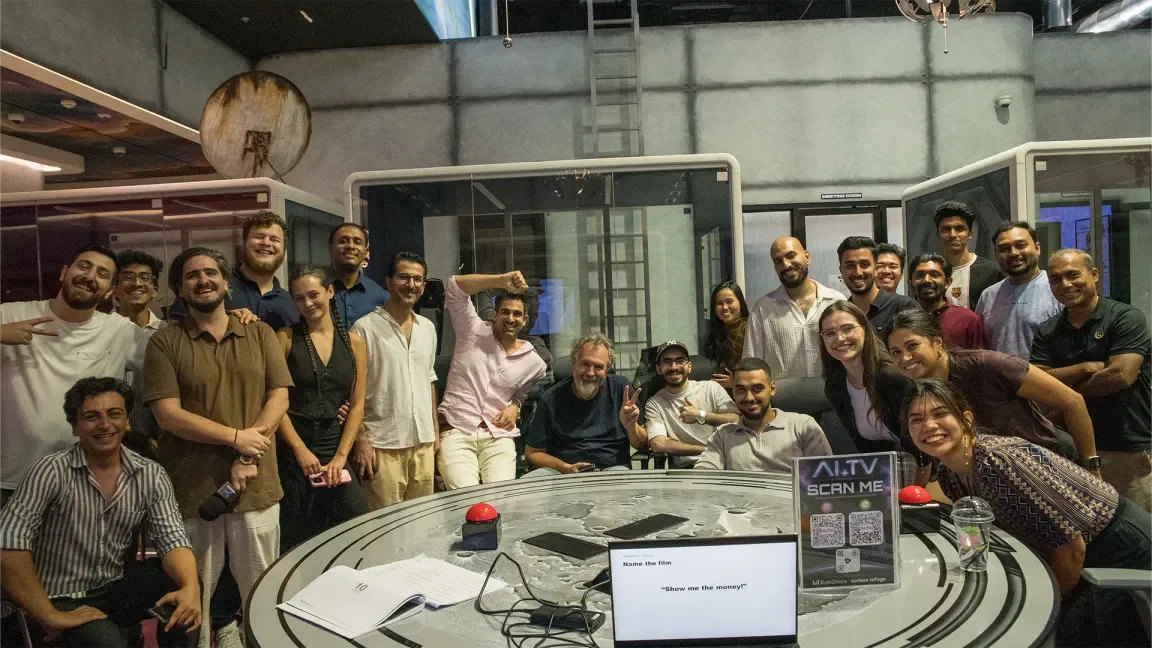
Dubai
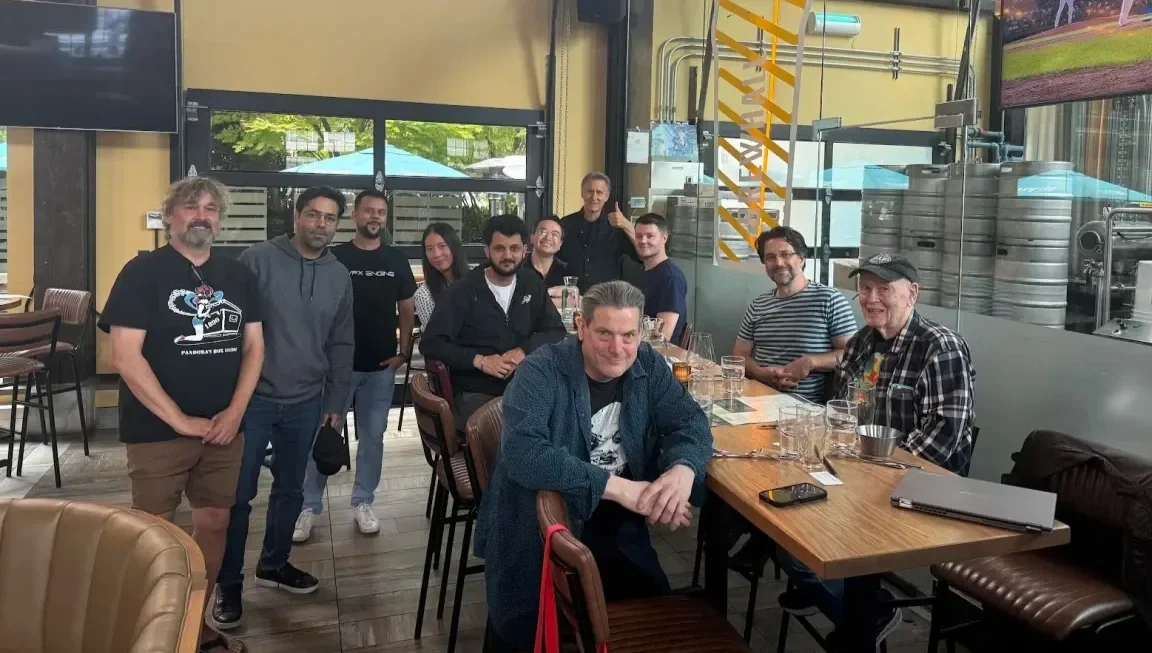
Vancouver
More community events are on the way, including upcoming meetups in London, Denver, and Bulgaria.
We also host weekly livestreams every Thursday, where students and community members can connect, ask questions, and learn about the latest AI filmmaking workflows.
Visit the AI Events page to find an upcoming event near you.
9. AI Films of the Week
This week’s featured AI films include:
Red Rainbow by Aze Alter is a stunning AI short fully written, directed, and scored by the artist. Created in partnership with Phantom X using NVIDIA's Agent 2, it's one of the most technically impressive AI films we've seen in a while.
Eureka by Ben Chimoy was created for Runway's AI advertising competition and delivers a clever concept for a waterproof notepad. The film fully embraces AI's surreal capabilities, making for a funny and memorable spec ad.
Check out other amazing work in our AI Film Gallery.
What does this AI Film News Mean?
The pace of AI filmmaking isn't slowing down.
While many of this week's releases feel more like workflow improvements than revolutionary breakthroughs, they're making it easier to build, edit, and iterate on creative projects.
The biggest question now isn't whether these tools can generate impressive results—it's how quickly they'll become reliable enough for professional production.
Free Course | Intro to AI Storytelling
If you want to keep up with the latest AI filmmaking tools and workflows, explore our free course and join thousands of creators learning what's next.
Fill out the form above and get instant access. You also get free access to our global community full of AI creative from all walks of like.
We would love to see you there!
