
Grok Imagine 1.5 | An Honest AI Video Review

In this article, we’ll share our honest review of Grok Imagine 1.5.
Grok recently released Imagine 1.5, the latest version of its AI video generation model.
The update introduces several new features aimed at improving both the creative workflow and overall video generation experience.
In this review, we'll break down what Grok Imagine 1.5 does well, where it falls short, and whether it's worth using over leading AI video models like Seedance.
Grok Imagine 1.5 | Full Review
Check out our full tutorial and see every test we ran.

Grok Imagine 1.5 | Honest Review
Below is our full breakdown after testing Grok Imagine 1.5.
What Is Grok Imagine 1.5?
Grok Imagine 1.5 is the latest version of xAI's AI video generation model, building on the original release with several notable upgrades.
The update introduces text-to-video generation, image and voice references, and native 1080p output, expanding what creators can do compared to earlier versions.
Rather than focusing solely on improving generation quality, Grok Imagine 1.5 also introduces new workflows designed to make creating consistent videos more efficient.
The biggest of those additions is support for persistent references, allowing creators to reuse the same characters, props, locations, and voices across multiple generations instead of rebuilding them from scratch each time.
We'll take a closer look at how well that system performs below.
The Good: Persistent References and Fast Generation Speeds
The most interesting feature inside Grok is the reference system.
Instead of uploading character sheets every time you generate a scene, you can create reusable assets that include:
Characters
Props
Locations
Voices
Those references can then be tapped directly inside prompts using the @ symbol.
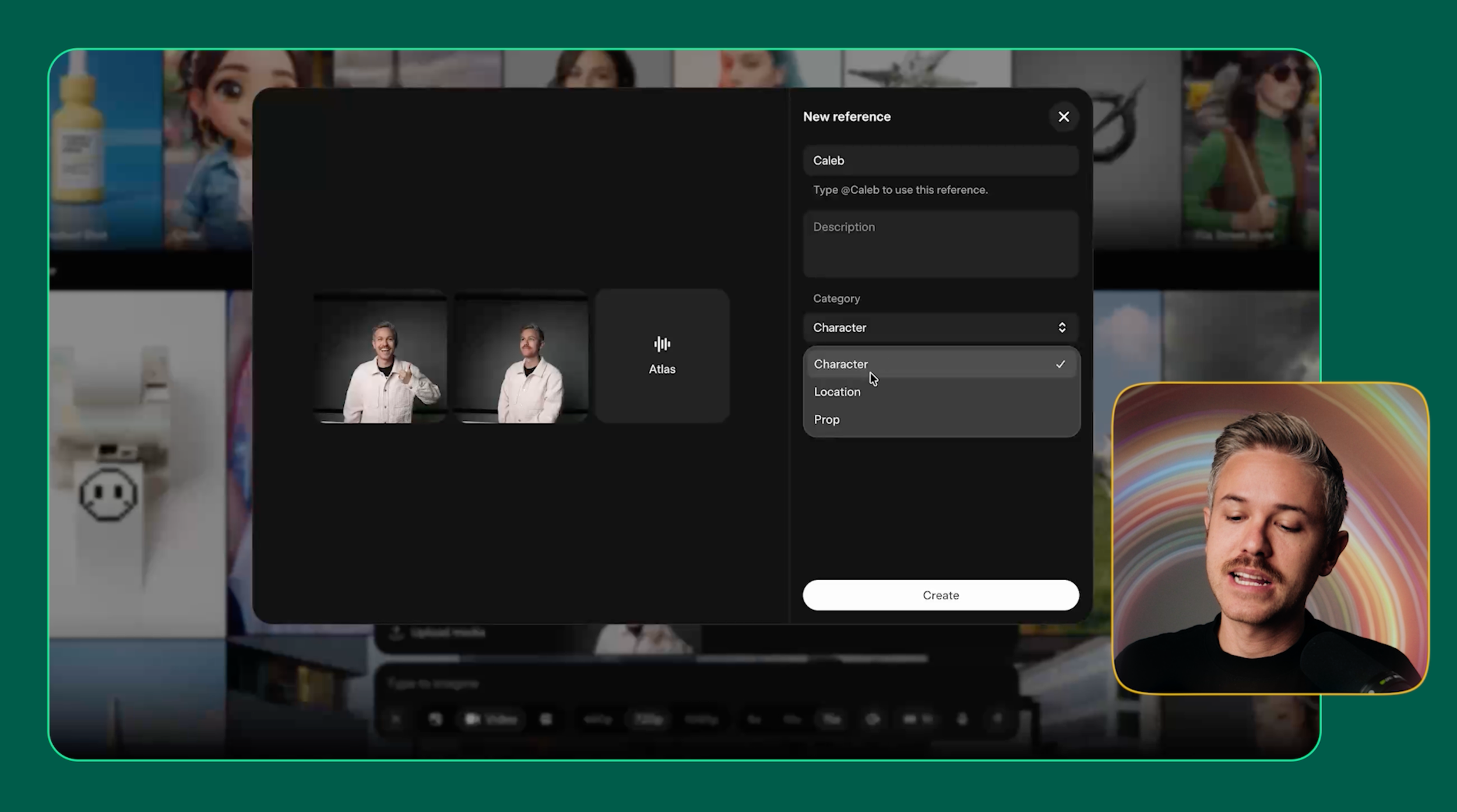
For creators building recurring stories, series, or branded content, this workflow feels much more organized than repeatedly uploading the same images into every generation.
In our testing, the reference system showed genuine potential.
Creating reusable characters was straightforward, and when using image references without voice references, Grok maintained a fairly convincing likeness while placing characters into entirely new environments.
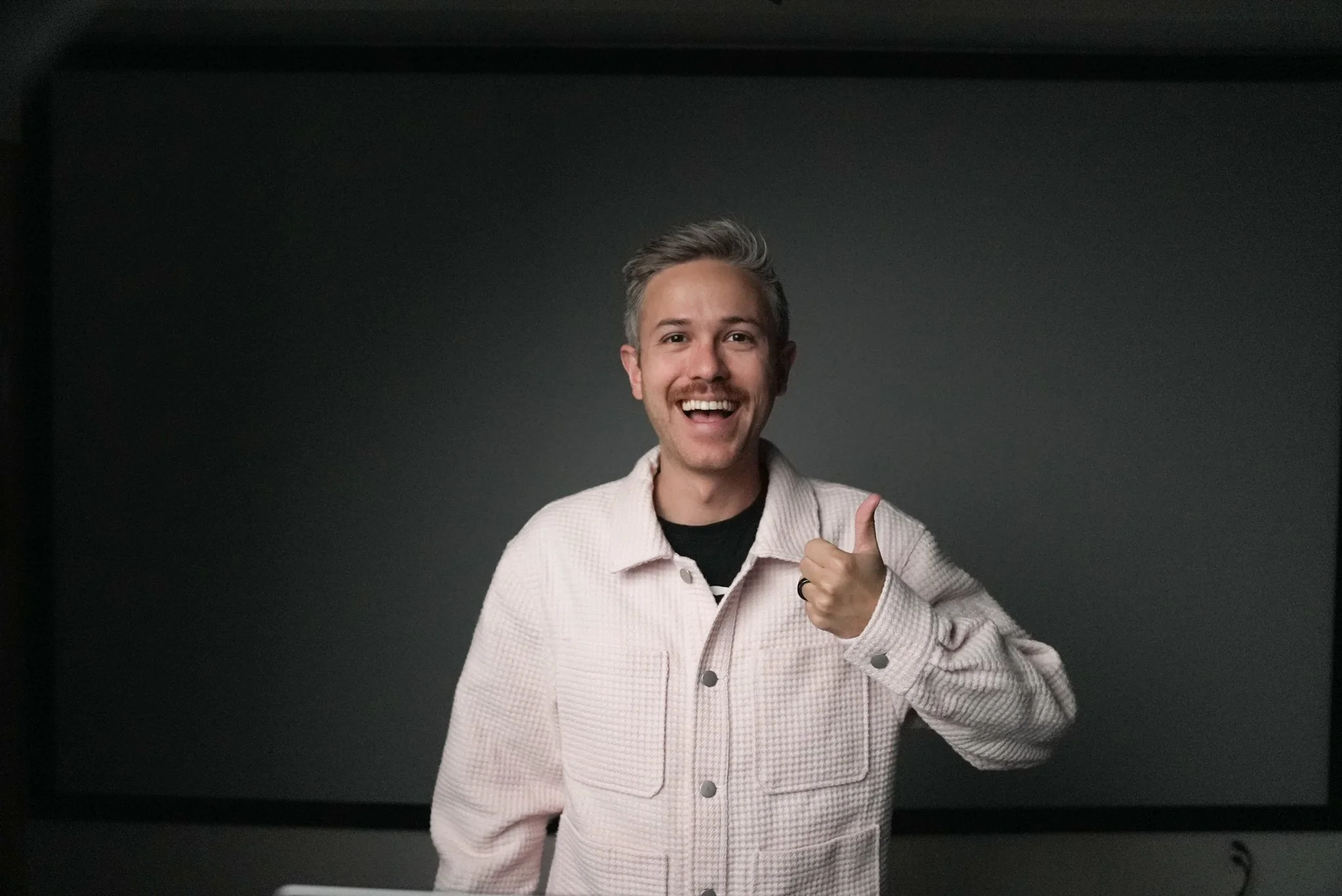
Character Reference
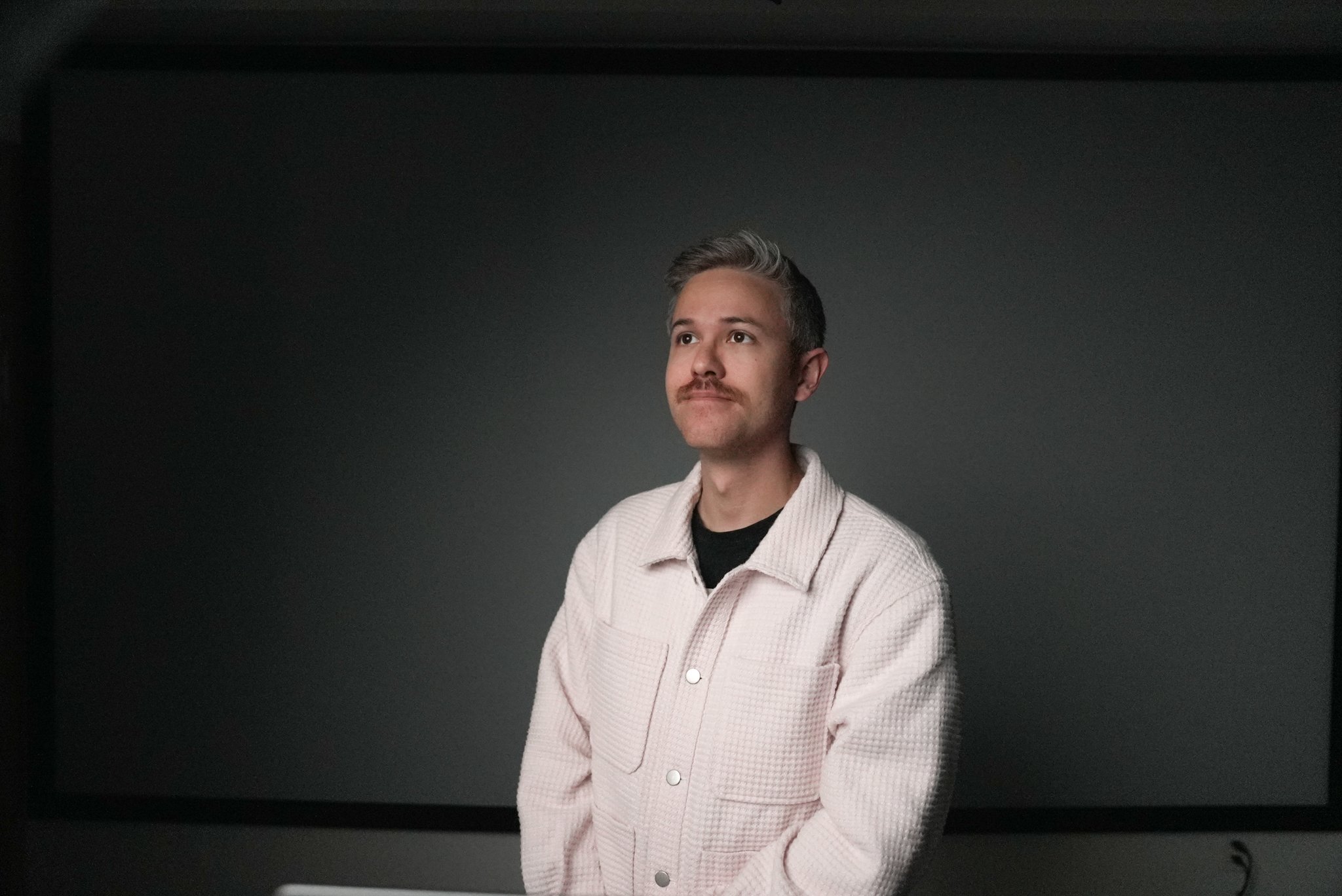
Character Reference
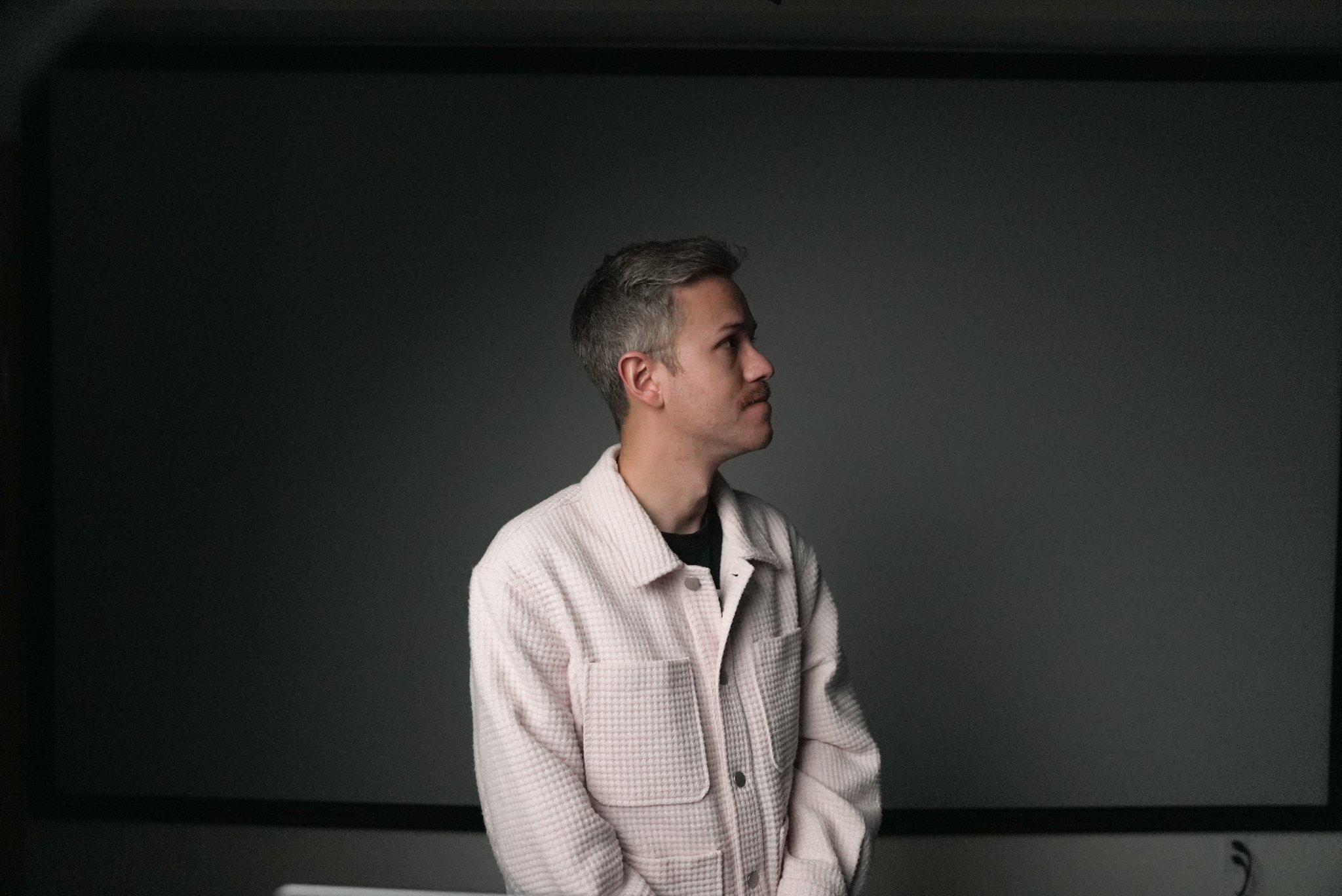
Character Reference
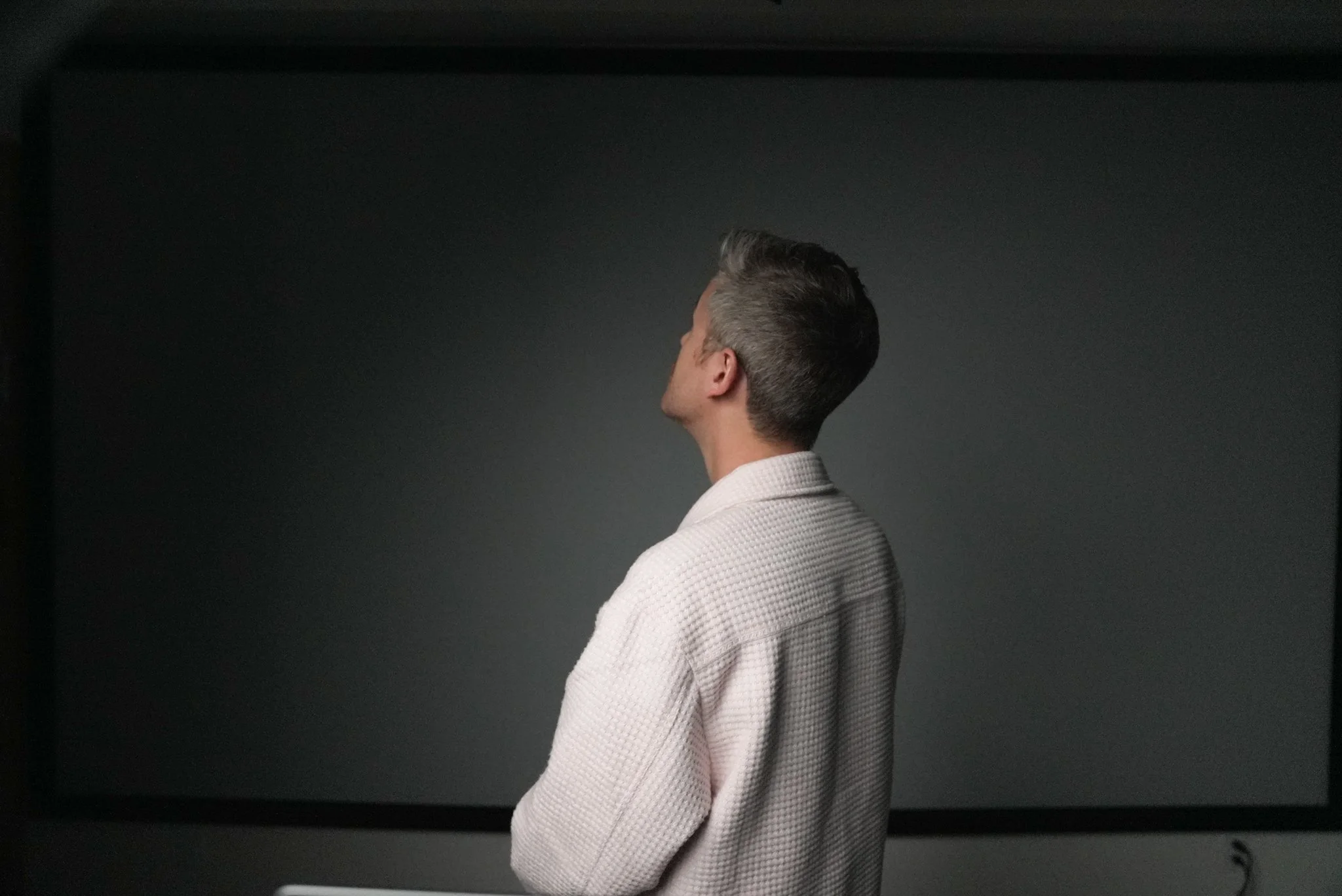
Character Reference
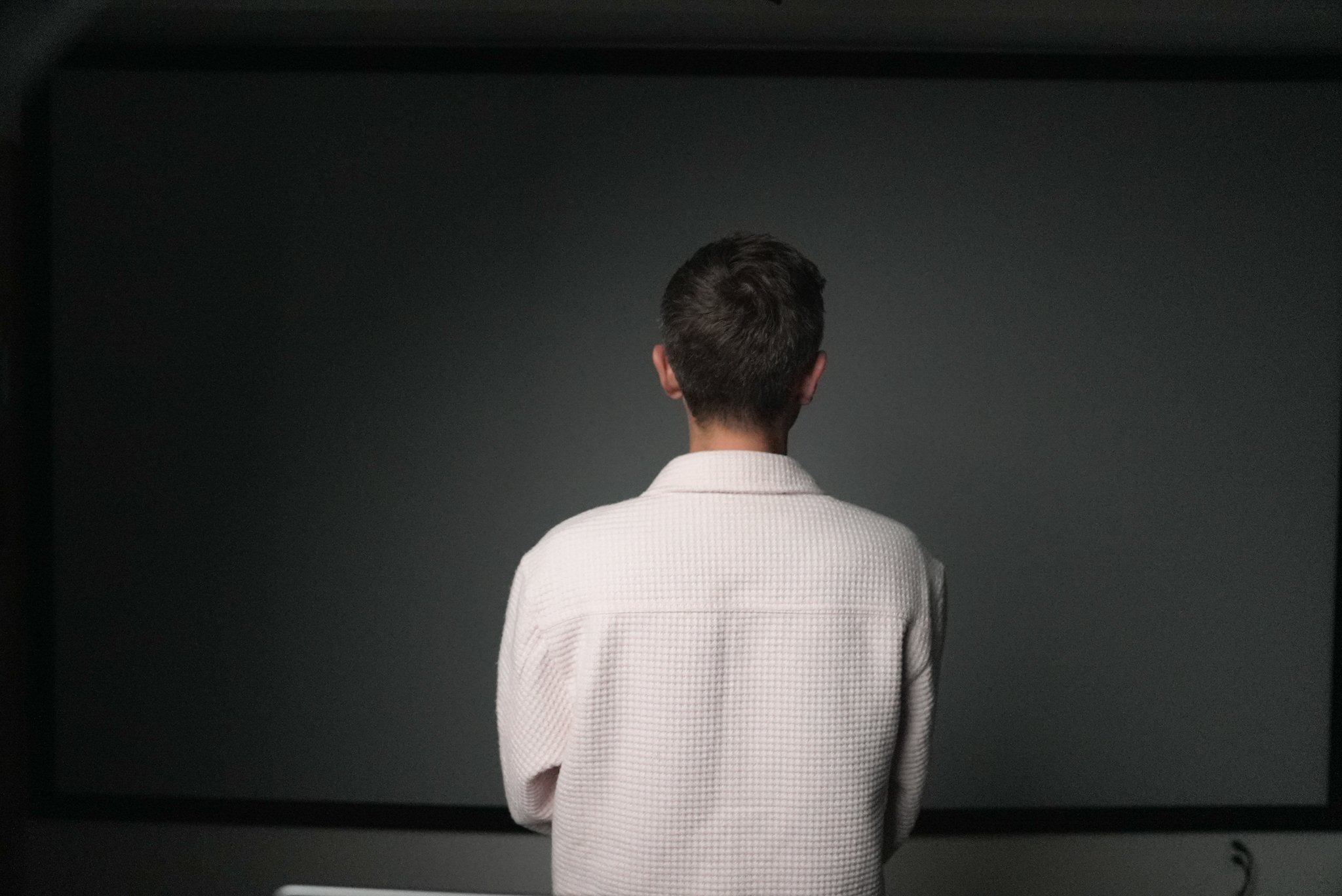
Character Reference
Our tests also showed that voice references often sounded more like audiobook narration than natural performances.
In many cases, image references alone produced better results.
Grok Imagine 1.5 (with Voice Reference)
Grok Imagine 1.5 (without Voice Reference)
Another pleasant surprise was generation speed.
Most videos rendered in around 60 seconds, making Grok noticeably faster than many newly released AI video models.
Faster generations don't necessarily translate to better quality, but they do make experimenting with prompts and references much more efficient during the creative process.
The Biggest Weaknesses Right Now
After testing Grok Imagine 1.5 across multiple storytelling scenarios, one trend became very clear.
Seedance consistently produced stronger results.
Grok Imagine 1.5
Seedance 2.0
1. Physics Fall Behind: Across nearly every action test, Seedance produced more believable motion and stronger physics. Grok often introduced strange movement and unrealistic interactions that broke the illusion. While some generations were entertaining, they weren't convincing enough for professional filmmaking.
Grok Imagine 1.5
Seedance 2.0
2. Multi-Shot Storytelling Still Feels Synthetic: Grok can generate complete scenes with multiple shots, but they often feel awkward rather than cinematic. Dialogue timing doesn't always make sense, transitions can feel unnatural, and continuity frequently breaks down. Compared to Seedance, performances were less expressive and scenes felt noticeably less polished.
Grok Imagine 1.5
Seedance 2.0
3. VFX Performance Isn’t Production Ready: Visual effects proved to be one of Grok's weakest areas. During our VFX tests, explosions, meteor impacts, and other large-scale effects often behaved unpredictably, with strange motion and unrealistic physics. While some results were funny, they weren't believable enough for professional production.
Grok Imagine 1.5
Seedance 2.0
Grok Imagine 1.5 Pricing
Pricing is one of Grok Imagine 1.5's biggest tradeoffs.
At the time of testing:
720p generation was available on lower-tier plans.
1080p generation required a Super Grok subscription starting at $100/month, making it one of the more expensive entry points for AI video generation.
Once subscribed, individual generations cost roughly $0.25 per second at 1080p, making a 5-second clip approximately $1.25.
A comparable 1080p Seedance generation costs about $3.40, making Grok roughly three times cheaper per generation.
While the per-generation pricing is relatively affordable, the high subscription cost is an important consideration.
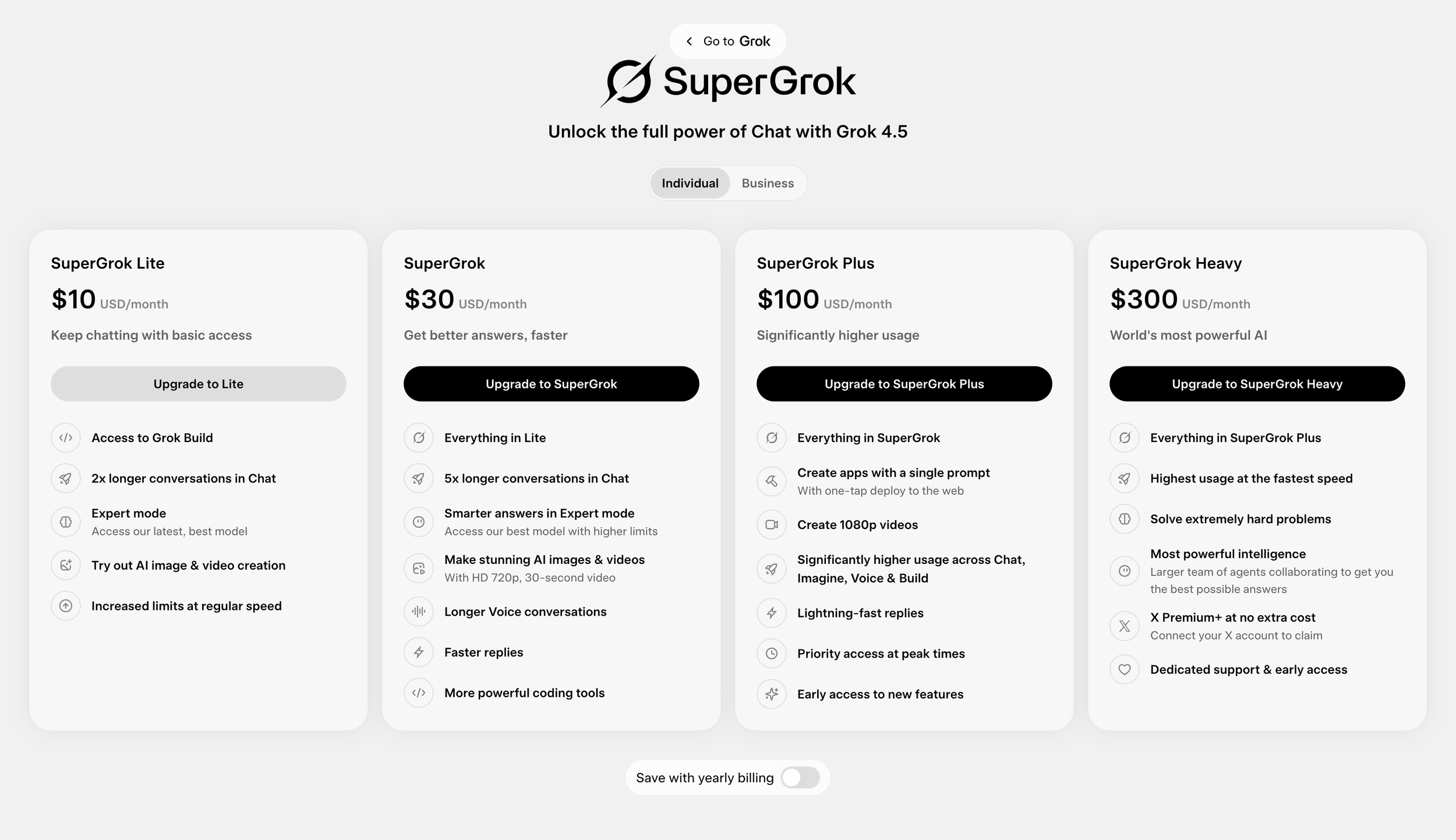
As shown in our testing, Seedance consistently produced stronger results, making its higher generation costs easier to justify for cinematic work.
Final Verdict: Grok Imagine 1.5 Review
Grok Imagine 1.5 introduces an interesting idea.
Its reusable character, prop, and location references make it one of the more workflow-focused AI video tools currently available.
Unfortunately, the underlying video model still trails leaders like Seedance.
Across action, dialogue, visual effects, and cinematic storytelling, Seedance consistently delivered stronger performances, more believable physics, and higher-quality generations.
Grok Imagine 1.5
Seedance 2.0
Combined with the $100/month requirement to unlock 1080p video, Grok is difficult to recommend for professional filmmaking today.
That said, its reference system points toward an interesting future.
If xAI continues improving the quality of its video model while expanding these asset-based workflows, Grok could become a compelling tool for creators producing recurring characters and serialized stories.
Free Course | Intro to AI Storytelling
Fill out the form below and gain access to our free intro to AI storytelling course. We would love to see you in there.
We can't wait to welcome you into our community and see what you create.
