
Reve | An Honest AI Image Generator Review
Note: This Review is Non-Biased and Not Affiliated with Reve.

Prompt: A warm, soft-focus close-up shot of a person's hands resting on an open book, likely a field guide or encyclopedia. The person's left hand is adorned with a delicate, rectangular-faced watch with a brown leather strap and a thin gold ring with a green stone on their ring finger. Their nails are painted a light, muted sage green. The open book features an illustrated page with images of small brown birds and text. A blurry background of a brown and white checkered picnic blanket or piece of clothing is visible. The lighting is natural and gentle, creating a cozy, relaxed mood.
In this article, we will give you an in-depth breakdown of the AI Image Generator, Reve.
Reve's latest model release hasn’t made much noise publicly, but our testing proves that it deserves much more attention.
Reve Specs:
Native Resolution is 2048x2048 pixels.
Optional 4K (4096x4096 pixels) upscaling is available.
Supports most aspect ratios, including 3:2 and 16:9, with a maximum resolution of 2560 pixels
Images are typically generated in under 20 seconds.
This version delivers standout results and demonstrates a clear leap in prompt adherence, visual precision, and style control.
Take a look at the scores below to see how Reve performs in our full benchmark suite.
Reve - Benchmark Score (8.29/10)
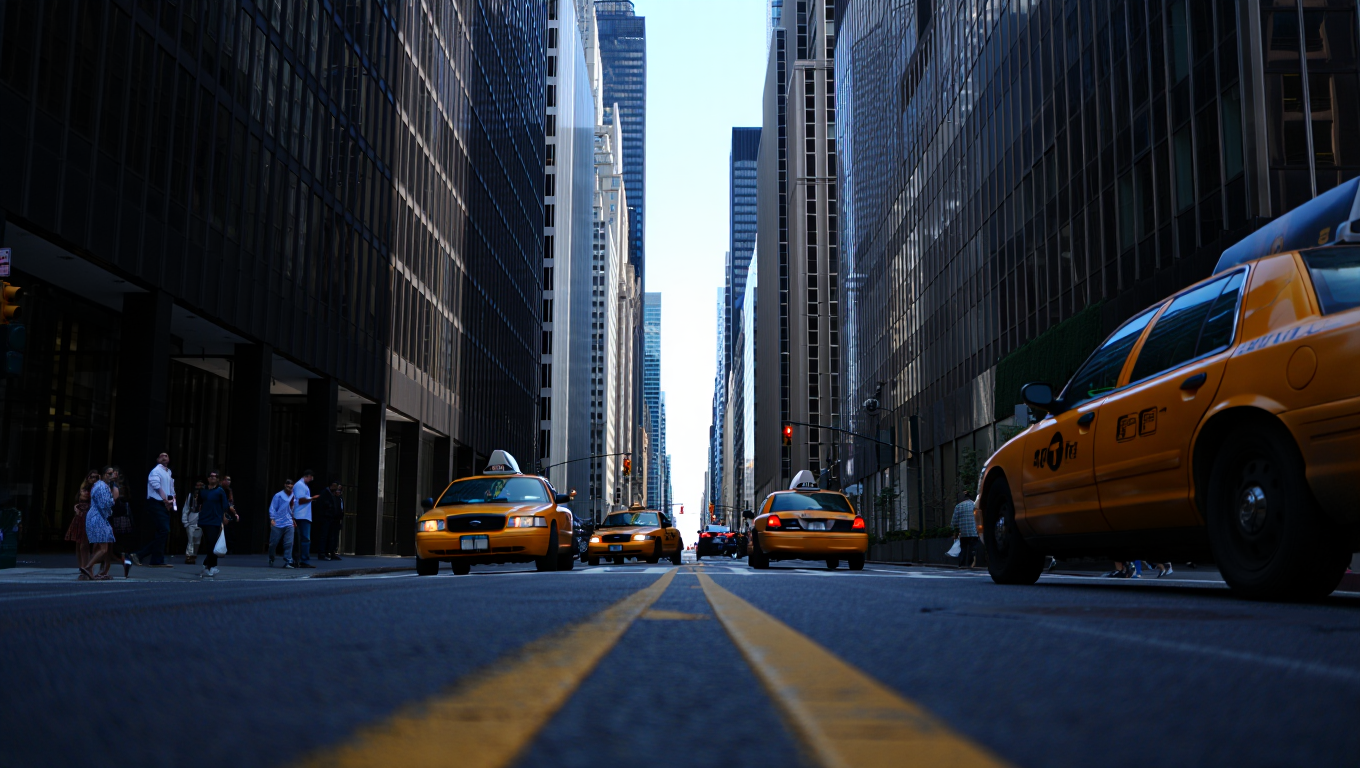
Prompt: A classic, street-level wide shot looking down a bustling urban street lined with towering skyscrapers. The perspective is centered on the street, which stretches into the distance. Multiple yellow taxi cabs are driving both towards and away from the viewer. On both sides of the street, tall buildings with numerous windows and varied architectural details create an imposing canyon effect. Pedestrians are visible on the sidewalks on both sides, and traffic lights hang overhead at intersections. The sky above is bright but partially obscured by the height of the buildings, suggesting a clear day in a major metropolitan city like New York.
In our Curious Refuge Labs™ review, Reve was scored across three categories: Prompt Adherence, Visual Fidelity, and Style & Realism. The average scores were:
Prompt Adherence: 9.5/10
Visual Fidelity: 7.7/10
Style & Realism: 7.6/10
Total Curious Refuge Labs™ Score: 7.49/10
Reve nails Prompt Adherence, scoring perfect 10s across most tests.
Its dips in fidelity and realism appear consistently in very specific categories.
Reve | AI Image Expert Review
Below is a detailed review of how Reve performs against the categories listed above.
Prompt Adherence — 9.5/10
Our experience with Reve was defined by nearly flawless Prompt Adherence; it’s one of the most obedient models we’ve ever tested. And that level of adherence depends on structure, not artistic interpretation.
As seen in the shots below, the model delivers pretty impressive results when prompts begin with clear photographic framing.
This gives the model a fixed spatial anchor before you start introducing details about the subjects. Take a look at the first line of the prompts (hover the image to see the prompt used).
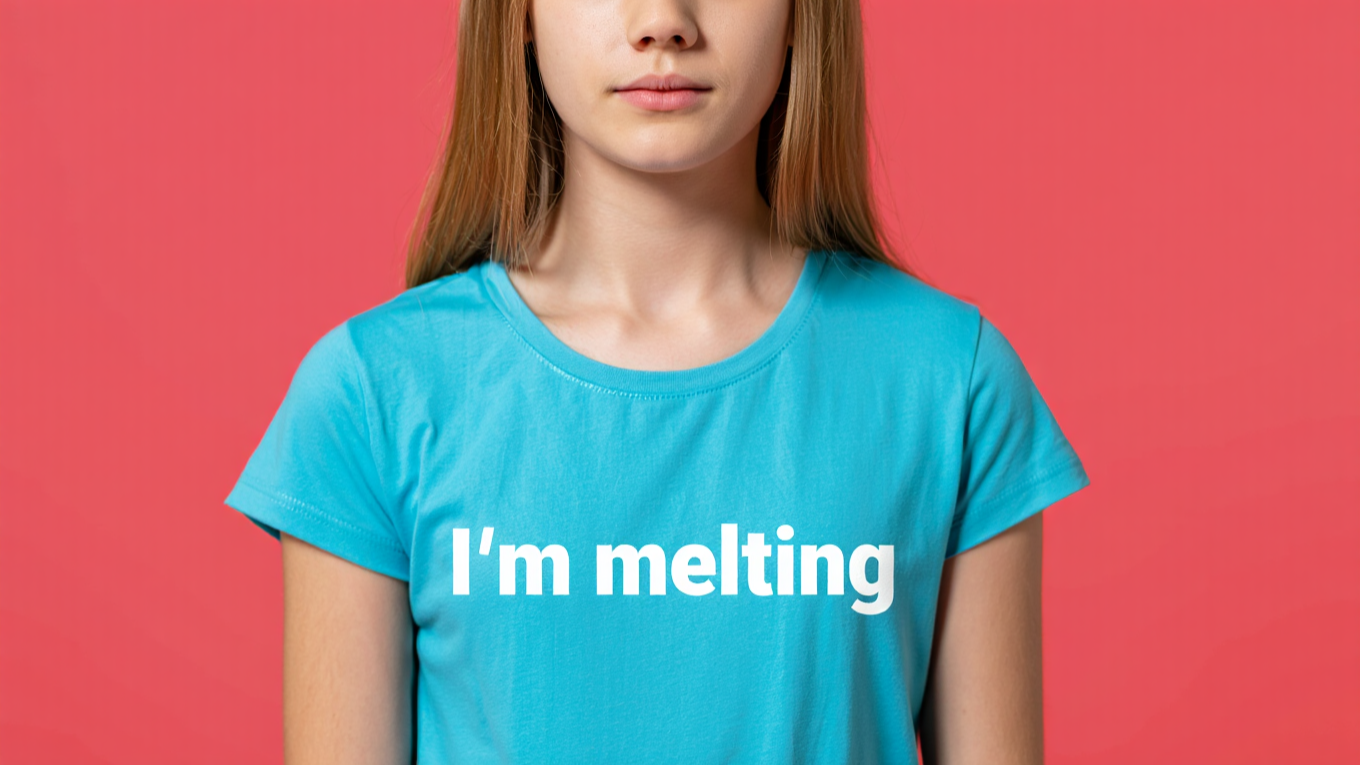

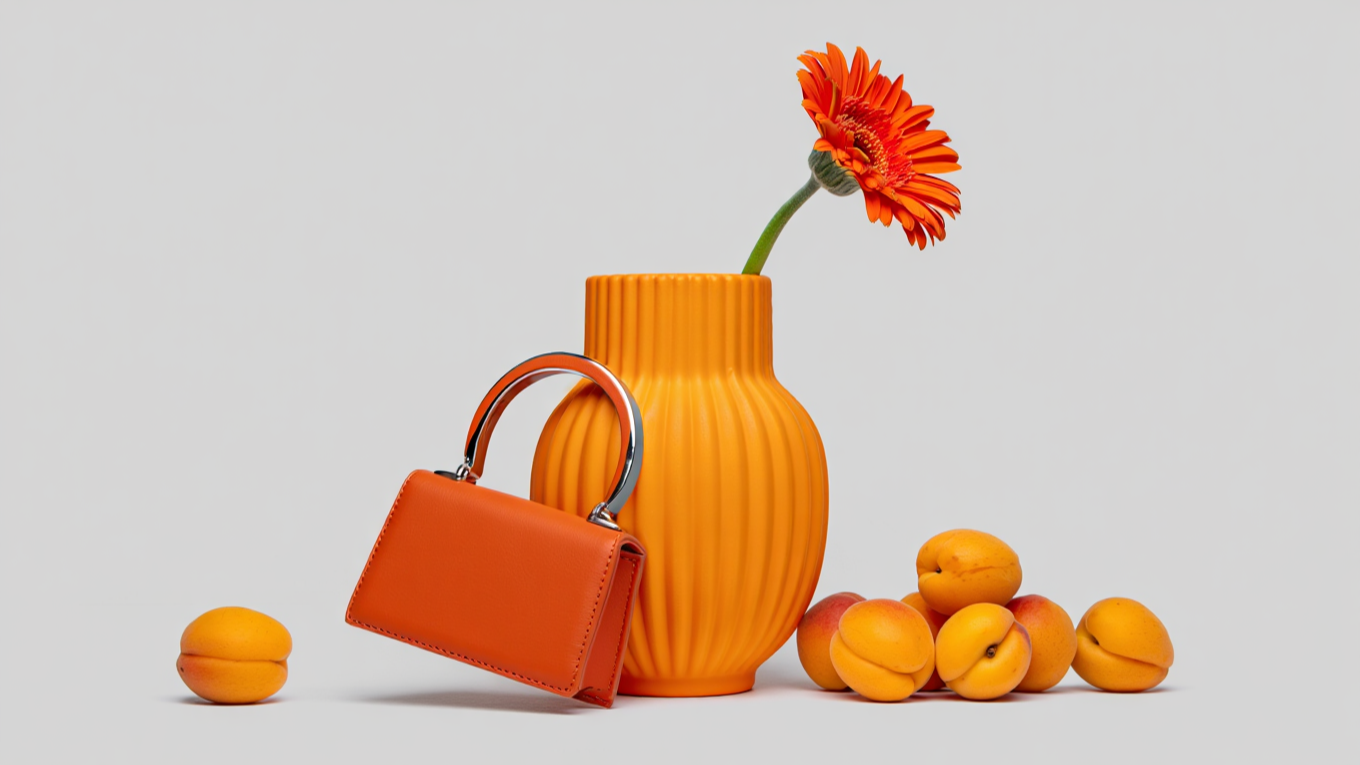
These three prompts open with camera angle, environment, and subject; this roadmap guarantees high adherence.
That’s because this structure allows Reve to resolve blocking and composition with perfect precision. These prompts act less like descriptions and more like camera setups, and Reve follows them accordingly.
Overall, Reve excels whenever the prompt defines large, unambiguous spatial relationships. Wide-environment scenes like the coastline and ocean shots adhere flawlessly to horizon placement, coastline geometry, and camera height.
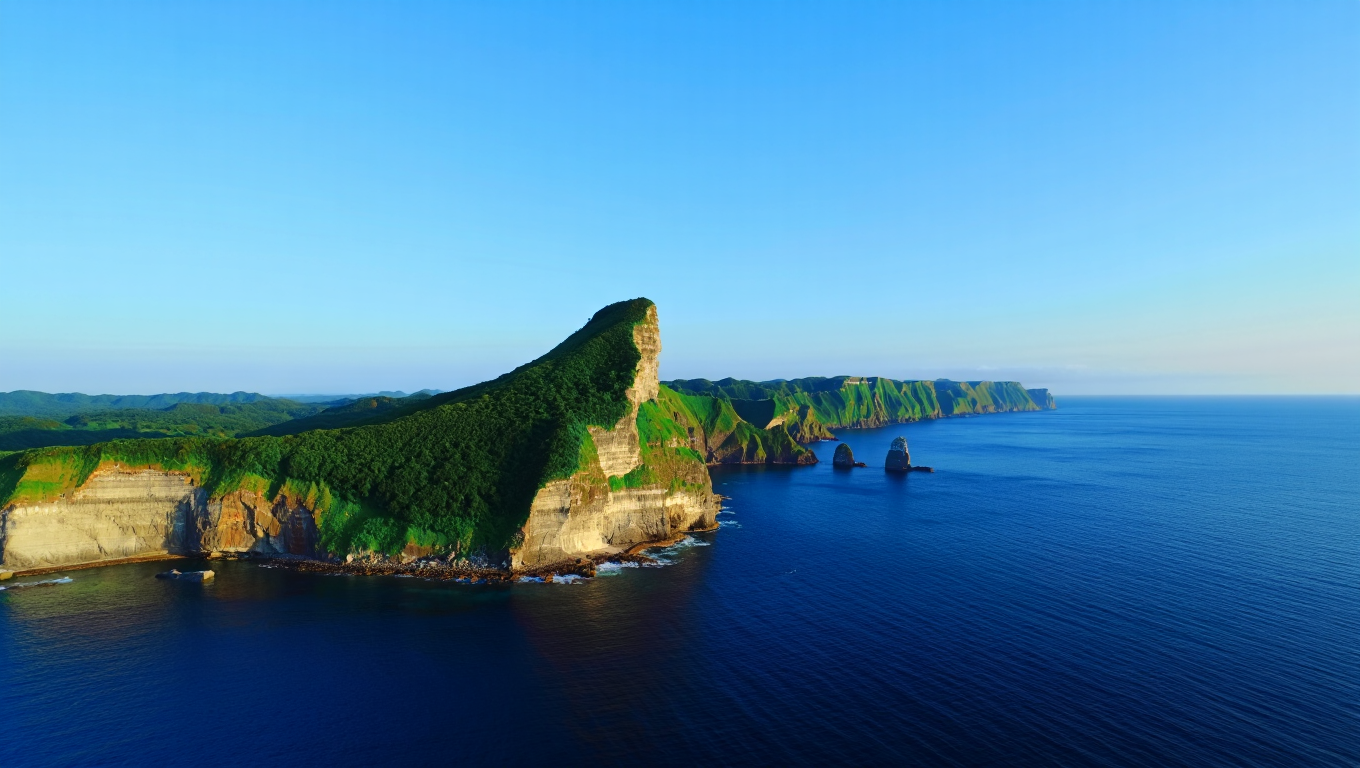
An expansive aerial or drone shot of a dramatic coastal landscape under a clear, bright sky. The image captures a rugged, high cliff face covered in lush green vegetation on its plateau, plunging sharply into the deep blue ocean. The cliff reveals layers of light-colored rock and earth where the vegetation ends. The coastline curves, and in the distance, more verdant cliffs and small, distinct rocky islands or sea stacks are visible protruding from the calm, vast expanse of the ocean. The water directly below the cliffs shows varying shades of blue, indicating depth and clarity, with gentle waves breaking at the base.
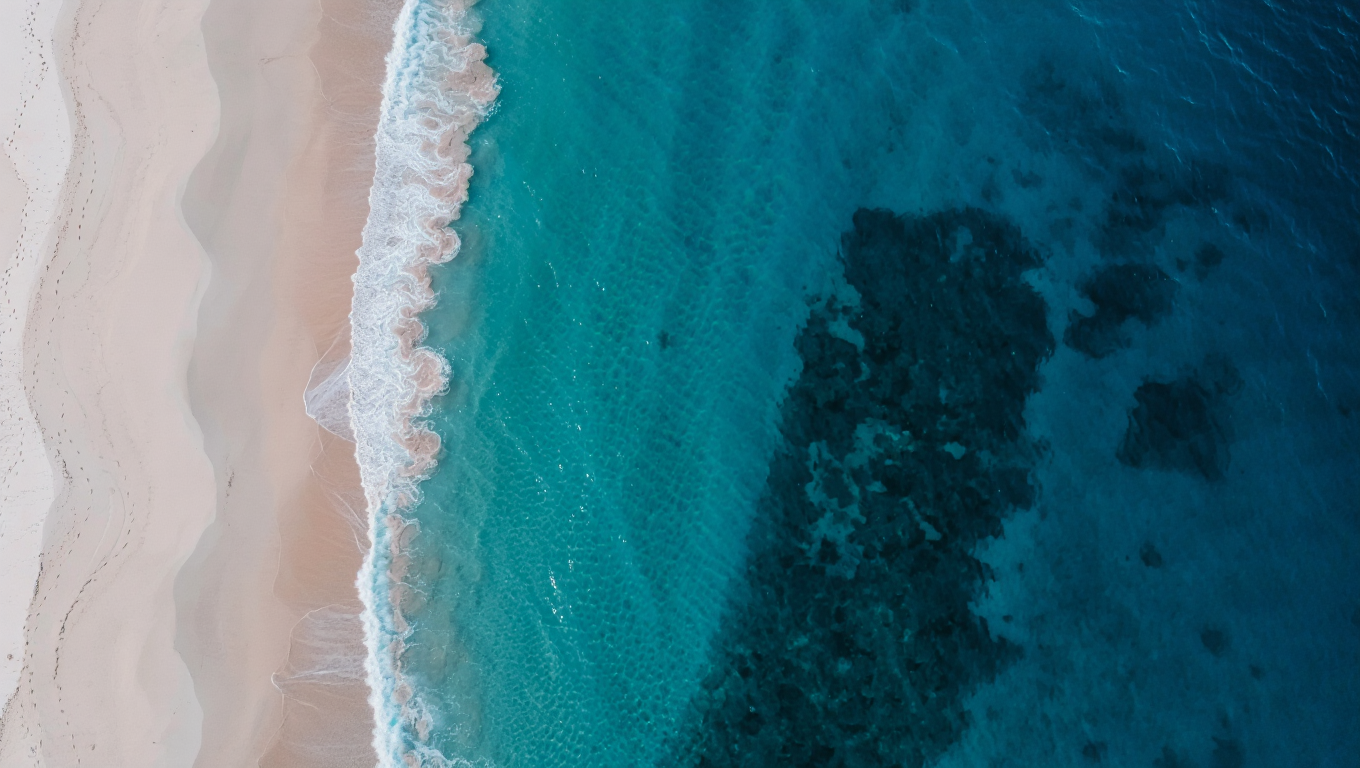
An incredibly high-angle, vertical aerial shot of a tropical or subtropical coastline. The image is split between the brilliant white-sand beach on the left and the clear, turquoise-to-deep-blue ocean on the right. A striking line of foamy white waves crashes along the shore, creating a stark, beautiful separation between the sand and the water. The shallow water near the beach is a light, translucent turquoise, transitioning to a deeper, richer blue in the distance where the water becomes darker and shows patterns of reefs or underwater terrain. The image's colors are saturated and vibrant.
Nature-driven shots show the same stability.
In short: REVE doesn’t guess, it builds. If you speak its language with clarity and structure, it will deliver exactly what you ask for.
Visual Fidelity — 7.72/10
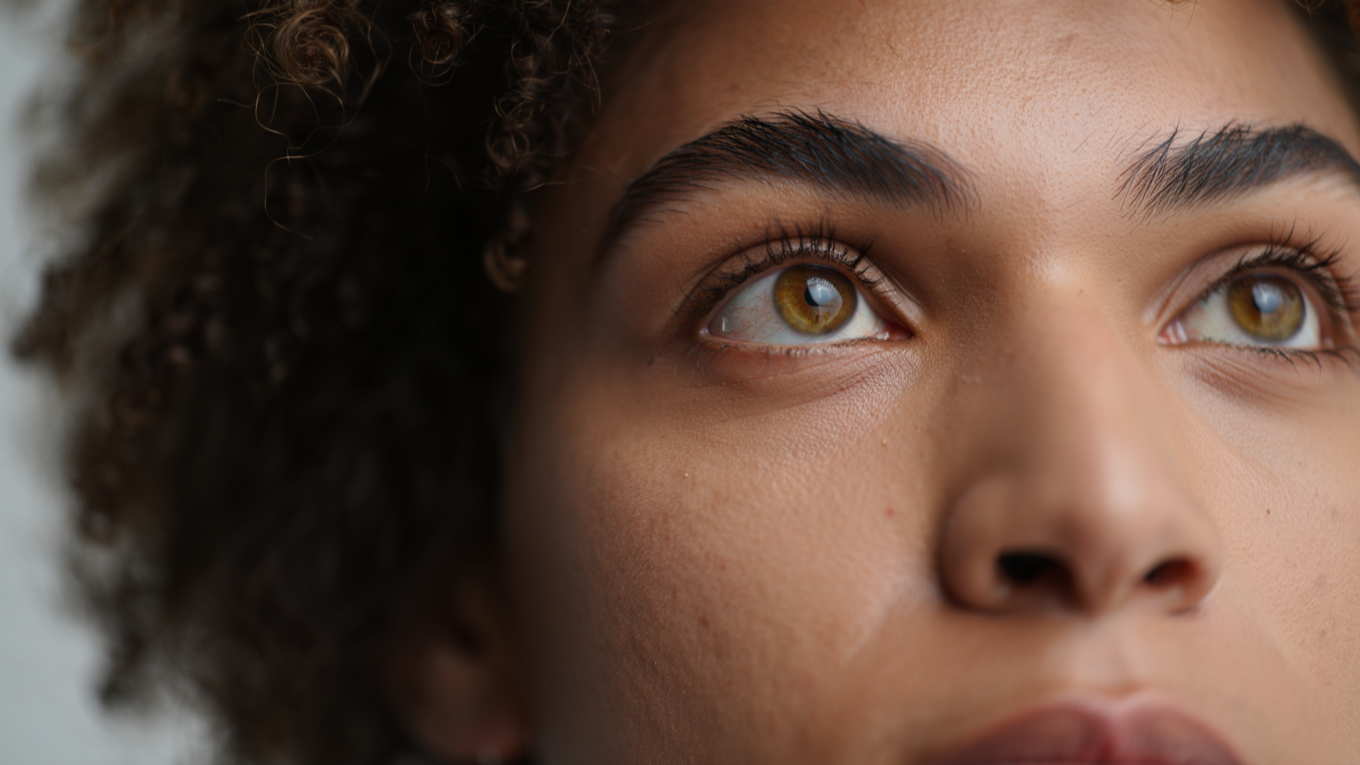
Reve’s Visual Fidelity reveals a model that performs well on a broad scale, but collapses under precise details. When images stay in Reve’s sweet spot, i.e., wide, clean, and centered around large shapes, the output is technically crisp.
Fidelity drops when scenes include fine detail, organic chaos, complex environments, or physically interactive elements. The clearest contrast between this close up strength and wide shot collapse (shown below).
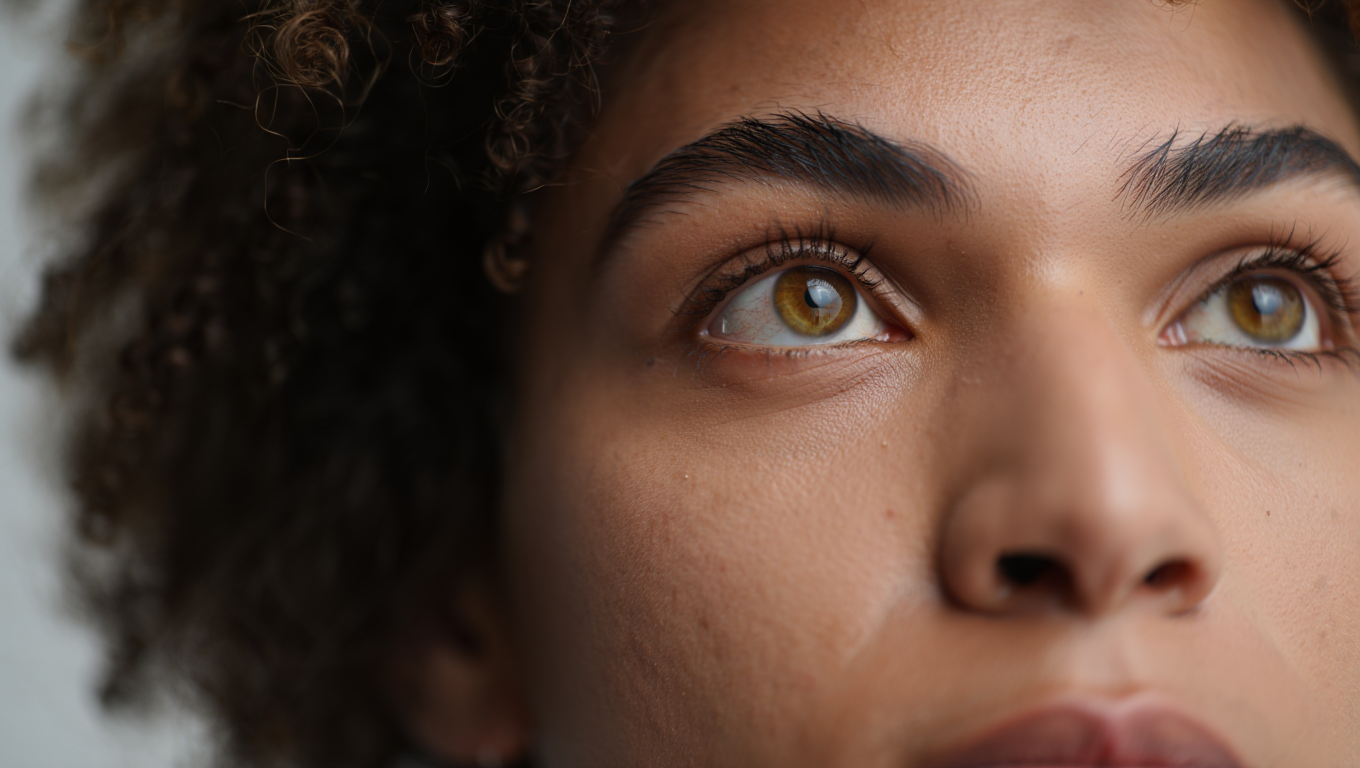
Prompt: An extremely close-up, highly detailed portrait focusing on the eyes and face of a woman with curly dark hair. The shot is framed from the side, looking up towards the eyes. The subject's light brown or amber-colored eyes are the main focus, with a distinct, star-like pattern around the pupils. The eyes are bright and reflective, showing a faint glint of light. A few strands of dark, curly hair are softly blurred in the foreground, framing the face. The skin texture, including a slight rosiness on the nose, is in sharp focus, and the overall lighting is natural and soft.
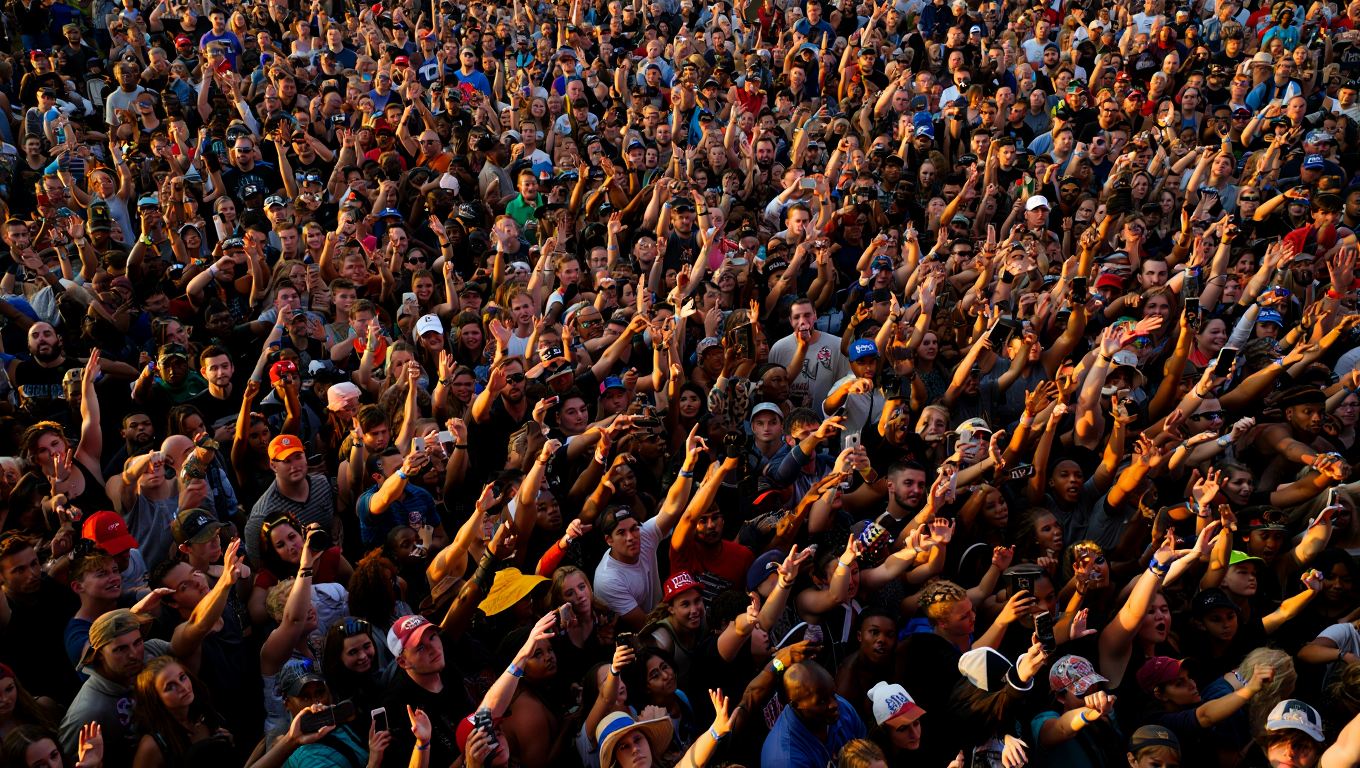
Prompt: An extremely high-angle, dense crowd shot of thousands of people gathered outdoors, likely at a concert, festival, or public event. The entire frame is filled with a sea of heads and raised arms, creating a vibrant, energetic texture of humanity. Individual faces are mostly indistinct, but the overall impression is one of immense scale and collective movement. Many people have their hands in the air, some holding phones or drinks, while others wear hats. The lighting suggests late afternoon or early evening, with warm tones illuminating the crowd from above, creating subtle shadows and highlights.
Reve is unable to bring the same level of fidelity we see in a close-up of the woman’s face to multiple people in a large crowd.
This problem isn’t necessarily specific to Reve, but to the majority of AI image generators.
A different version of this same shortcoming appears in the example below.
At first glance, it appears to be a realistic rendering, but it doesn’t hold up to scrutiny because of the lack of organic imperfections and over-contrasted output.
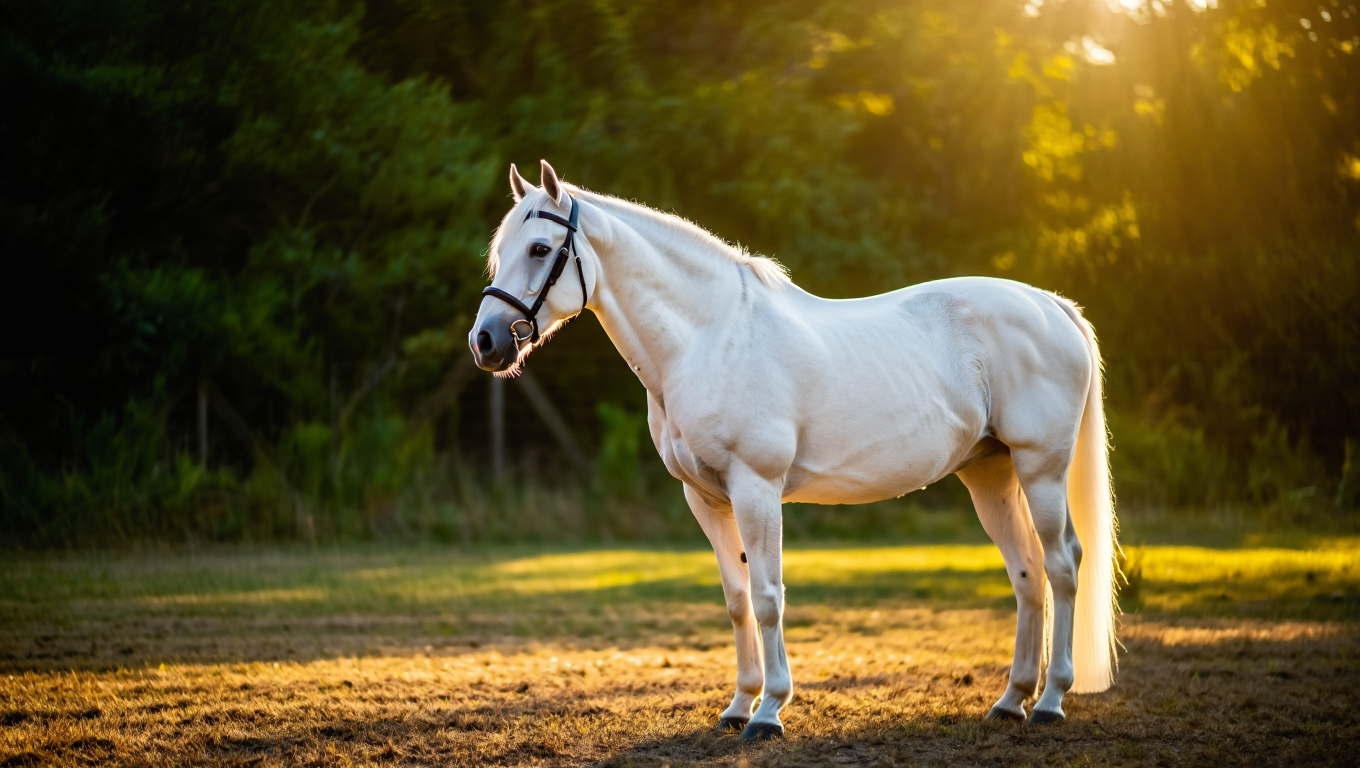
Prompt: The fur lacks directional flow, and there are no stray strands or irregular blending. Instead of individual hairs or natural variation, the fur forms a soft, uniform texture more akin to brushed velvet than an animal coat. The eyes and muzzle are overidealized, and the hooves blur into the ground. The muscle definition around the legs and shoulders is overly simplified. The background has no depth layering, and the grass patterns repeat, betraying obvious cloning. The light interaction with the body is flat; there is no bounce lighting or highlight variation across the body.
In all of the generations above, the result is a convincing image only from a distance. These generations expose Reve at its biggest limitation: it can render realism or organic complexity, but not both at once.
Style & Realism — 7.65/10
The top best output from Reve as it relates to style and realism, was typically images with more basic and controlled environments.
This isn’t a coincidence. Reve's realism is strongest when the scene resembles a staged, professionally lit photograph.
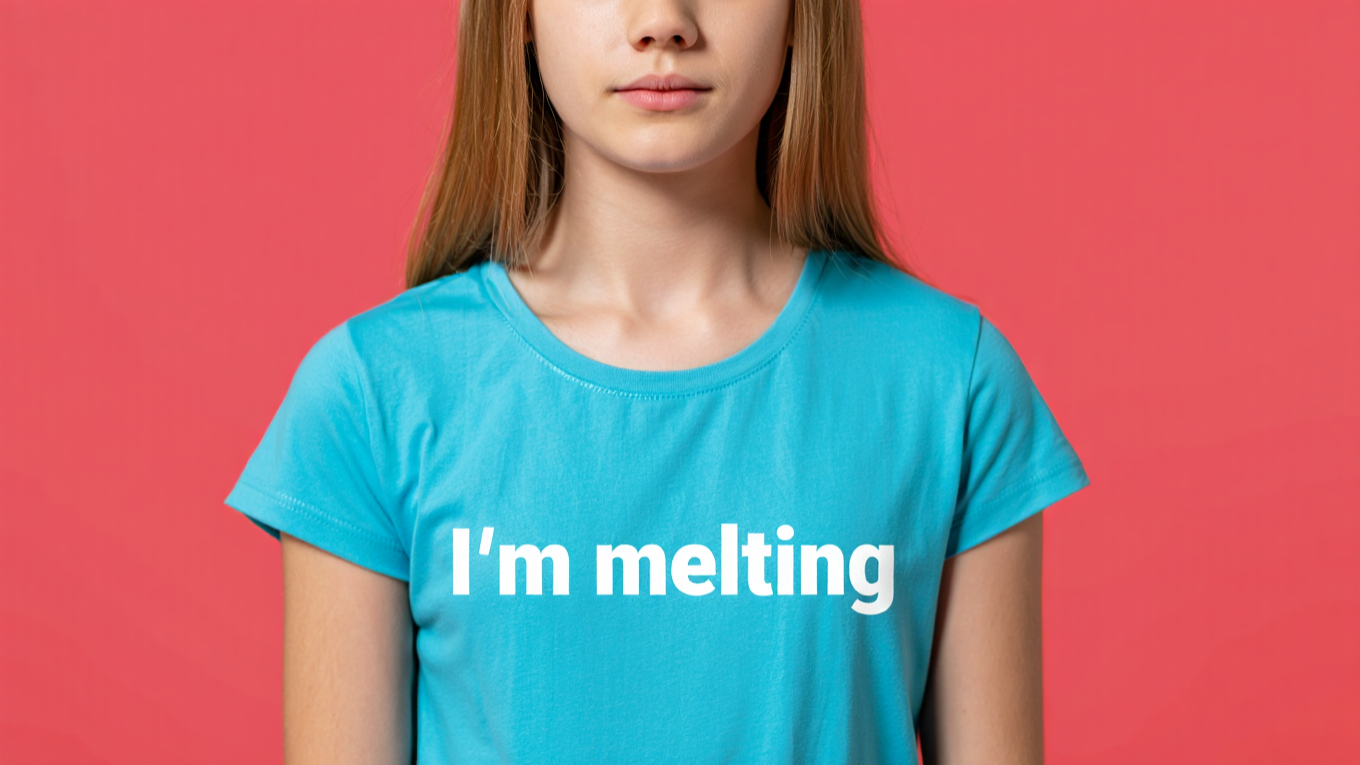

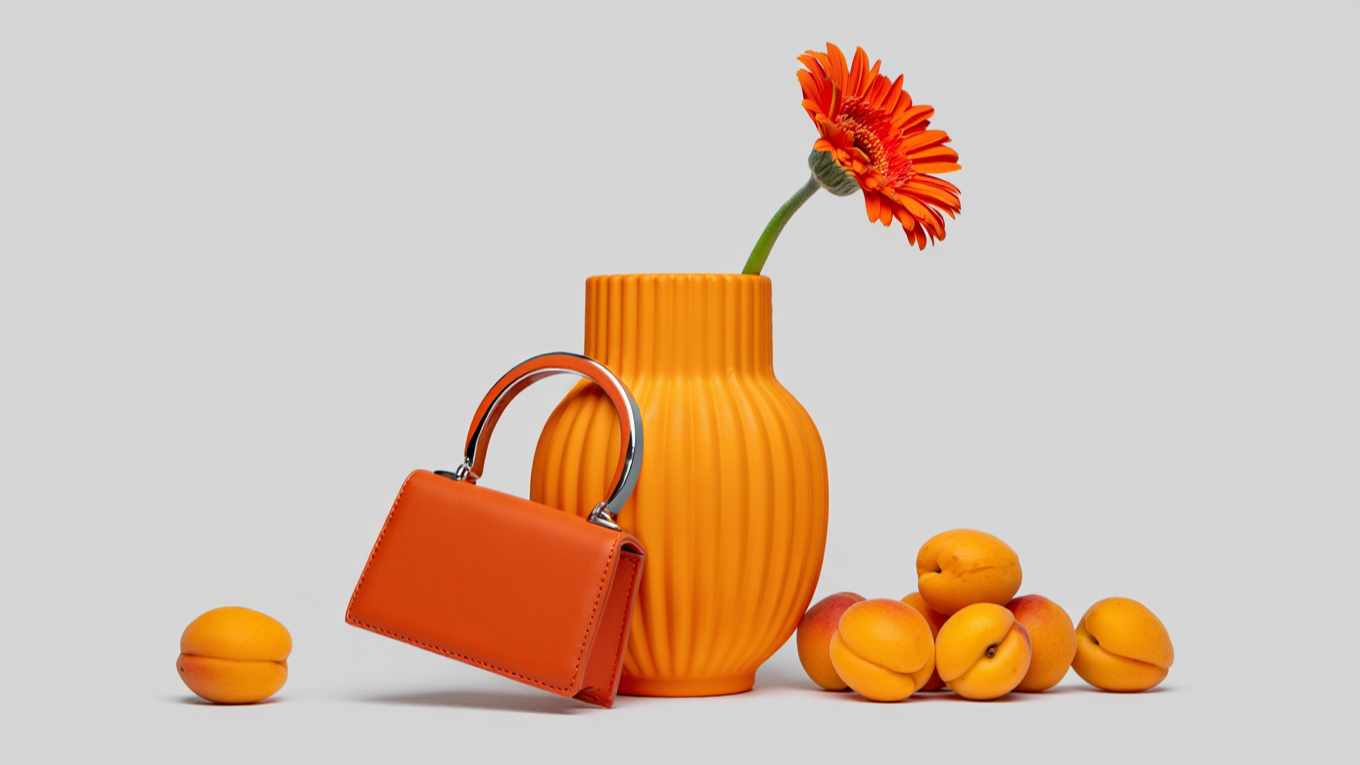
This has to do with training data. Since product ads are free and plentiful, many diffusion models rely on them heavily for training.
As a result, Reve doesn’t simulate the world; it simulates the world as photographed in a controlled studio. Any time you remove this studio logic, realism falters.

Prompt: A warm-toned, close-up, and candid shot of a hand pouring black coffee from a glass Chemex coffee maker into a matte black ceramic mug. The hand is in the upper right corner, holding the glass vessel with a wooden collar and leather tie. A thin, dark stream of coffee arches gracefully down into the black mug, which is sitting on a white or light-gray surface. The background is a soft, out-of-focus indoor space, likely a kitchen, with faint hints of light-colored cabinets, suggesting a homey and quiet morning scene.
Similarly, the shot below of the explosion reads like a freeze-frame from a high-budget action film: centred fireball, blooming orange cores, curling smoke, and mid-air debris all “read” correctly. But the realism falters as soon as you give the image a second look.

Prompt: A dramatic, high-impact photograph of a massive, fiery explosion. The fireball dominates the center of the frame, a turbulent, roiling cloud of bright orange and yellow flames with dark black smoke plumes. The explosion is low to the ground, kicking up debris and dust. In the background, a distant, light-toned building or structure is visible, along with the silhouette of a few figures and some explosions on a smaller scale. The sky is hazy and light-colored, suggesting a dusty, outdoor environment. The lighting is intense and harsh, coming directly from the blast.
Style and realism in Reve hinge on how closely your scene mirrors familiar photographic archetypes. The closer it aligns with this kind of training data, the more realism you’ll see in your output.
Do We Recommend Reve for AI Video Artists?
Sure, with clear use cases.
Product Shots, portrait work, or sweeping landscapes that don’t require microfidelity.
If your workflow requires visual control more than pixel-perfect physics, Reve could be a powerful tool. But the model’s strengths only become clear when scenes are clean, centered, and geometrically simple.
How Does Reve Fast Stack Up Against Other AI Video Tools?
Compared to image generators like Midjourney, Firefly, and Runway’s still modules:
Prompt Adherence: Reve outperforms most models
Visual Fidelity: Below Midjourney in terms of organic detail
Style and Realism: Comparable to Runway Gen-1 stills
Overall, if you are stuck with this image generator, it is very possible to get some amazing results, but we wouldn’t necessarily recommend going all in on just this model. It’s not super accessible outside of their platforms, making it likely that this might not be your first choice.
Check out our AI tools page below, where we ranked all of the AI image generators and showed how they stack up side by side.
Find the Best AI Tools for Artists and Filmmakers
Check out our full list of AI video generators, image generators, and other AI tools that we recommend.
We give you insight into which tools are best so that you don’t waste your time!
Be sure to check out the page and join our community list if you want to be the first to hear about new AI tools.

