
The Best AI Image Generators for 2026

In this article, we will take a look at the top AI Image Generators for 2026.
It’s no surprise that there are a lot of AI image generators out there. From well-funded startups to huge corporations, just about every major AI company has launched their own AI image generator. But which one is best?
In this article, we will take a look at the best AI image generators for creative professionals and weigh the pros and cons of each tool.
In this article, we share our findings after running the top AI image generators through 29 different tests and comparing the results. We rated the outputs in 3 categories: prompt adherence, visual fidelity, and style & realism.
We are super excited to share our findings with you and hope this is helpful on your creative journey. Below is the list of best AI Image generators and their ratings, with more in-depth analysis and explanation further down in the article.
The Top 14 AI Image Generators of 2025:
Nano Banana Pro — 9.50
Flux 2 — 8.78
Nano Banana — 8.77
Midjourney — 8.62
Chat GPT 1.5 - 8.55
Ideogram — 8.51
Imagen 4 — 8.49
Recraft — 8.45
Higgsfield Soul — 8.25
Reve — 8.29
Kling — 8.28
Lucid Origin — 8.20
Frames — 7.96
Luma — 7.80
Best AI Image Generators of 2025
Below are our ratings for The Top AI Image Generators of 2025.
AI Image Generator #1: Nano Banana Pro — 9.50/10
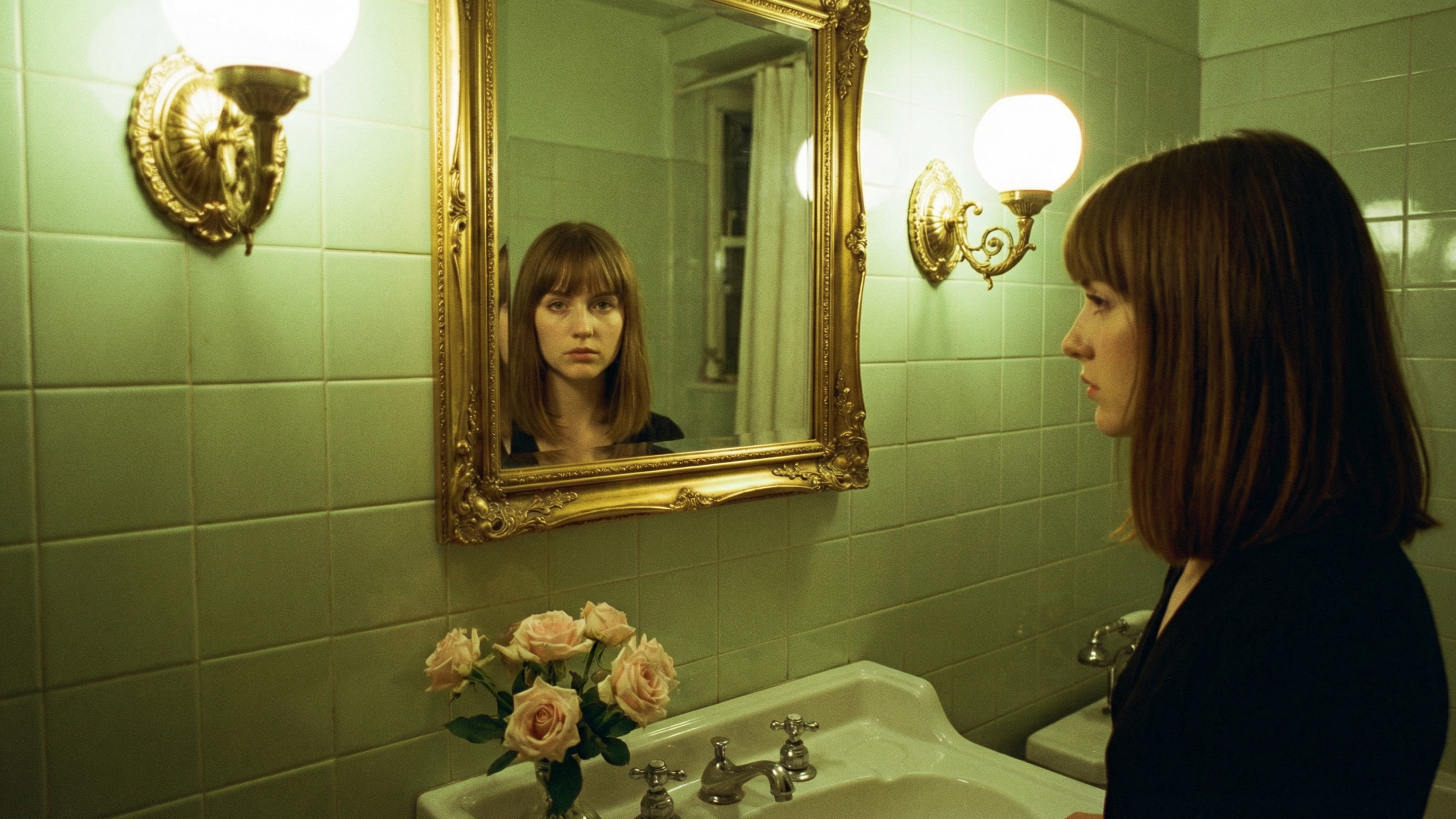
Nano Banana Pro is the most important AI image generator to every be released. And it just so happens that it is also the best AI image generator in terms of quality, intelligence, and all-around usefulness.
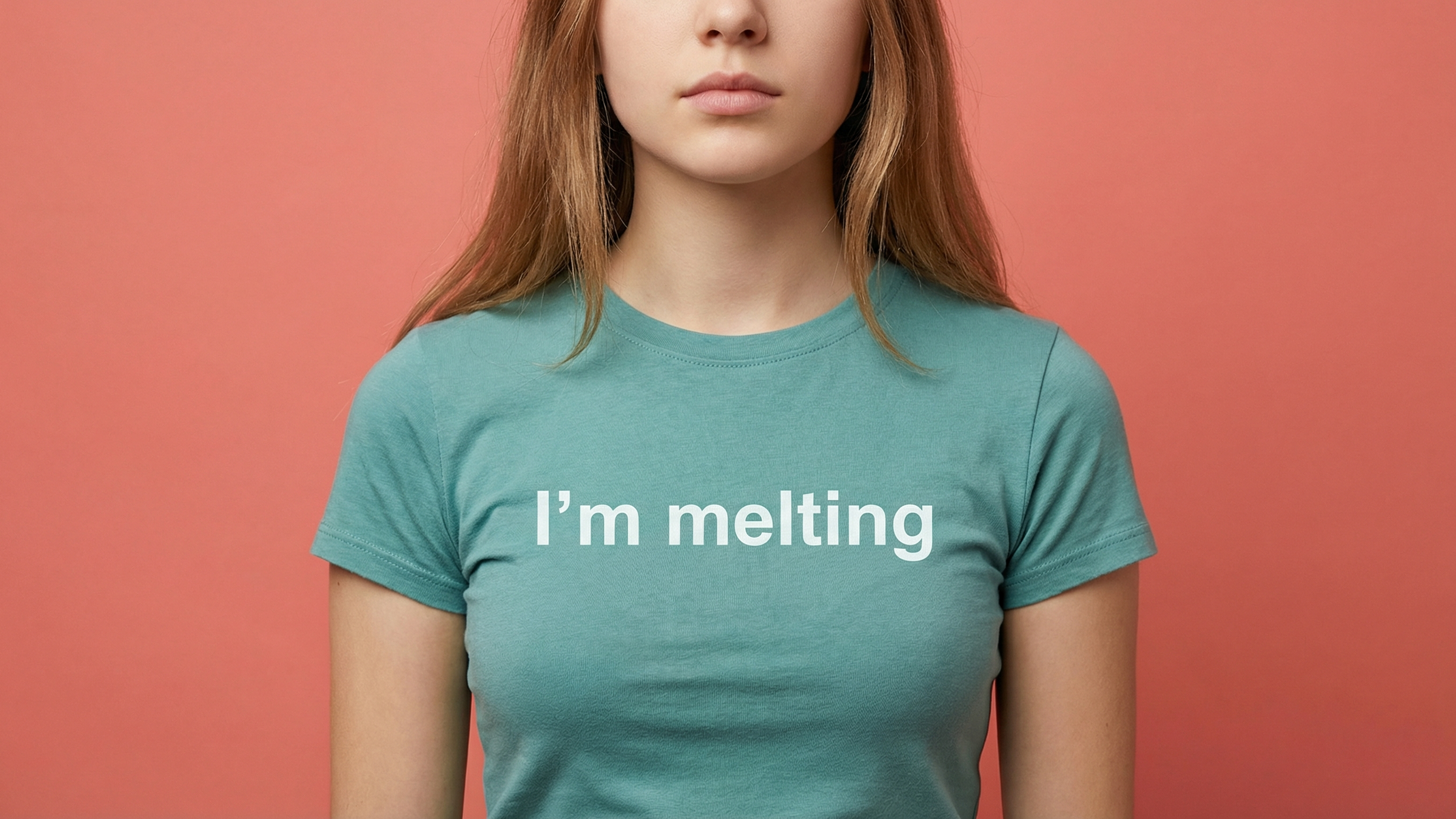
Nano Banana Pro thrives in a few key categories including prompt adherence (accurately creating what you ask), data synthesis (understanding what it is creating), and realism. It is one of the only AI image generators that actually knows what it is creating and can therefore reverse engineer images to create new angles, styles, compositions, and more.
It doesn’t get any smarter than Nano Banana Pro.

Nano Banana Pro’s Biggest Strengths:
Prompt Adherence
Output Resolution
Text Replication
Intelligent Image Generation
Genius-Level Image Editing
Nano Banana Pro’s Biggest Weaknesses:
Images Can Look Editorial
Slower Processing Speeds than Predecessor
Whether you need to change a camera angle, create a graphic design mockup, or create a realistic photo this is by-far the best image generator on the market.
AI Image Generator #2: Flux 2 — 8.78/10
Whenever Flux first hit the scene, it was one of Midjourney’s biggest competitors. As other models have hit the scene, Flux has not always been the best at keeping up with the pace.
With the recent launch of Flux 2, Flux has re-entered the conversation as one of the top AI image generators available.

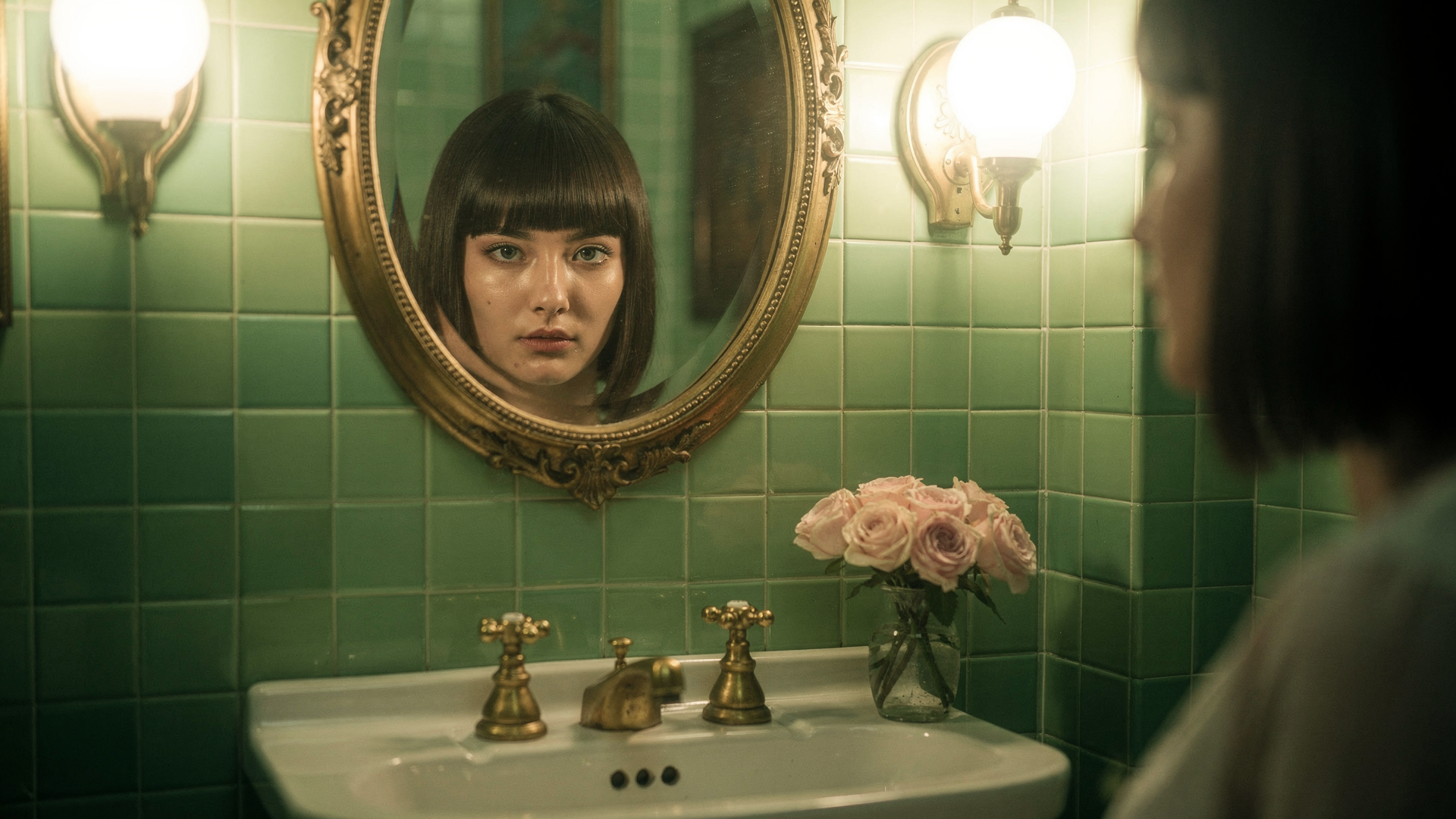
Flux 2’s Biggest Strength: Prompt Adherence
Flux 2’s Biggest Weakness: Over-sharpening Images
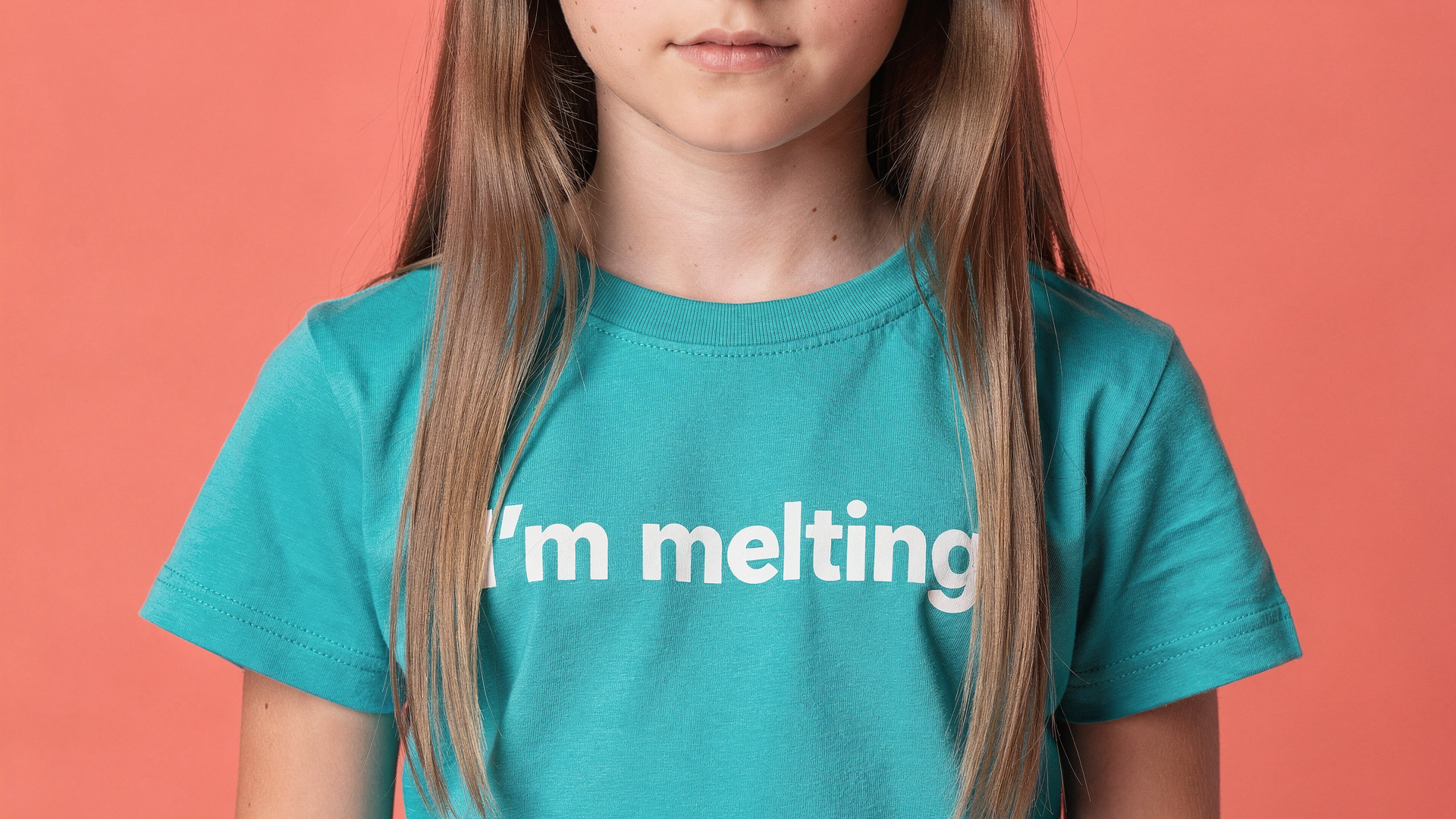
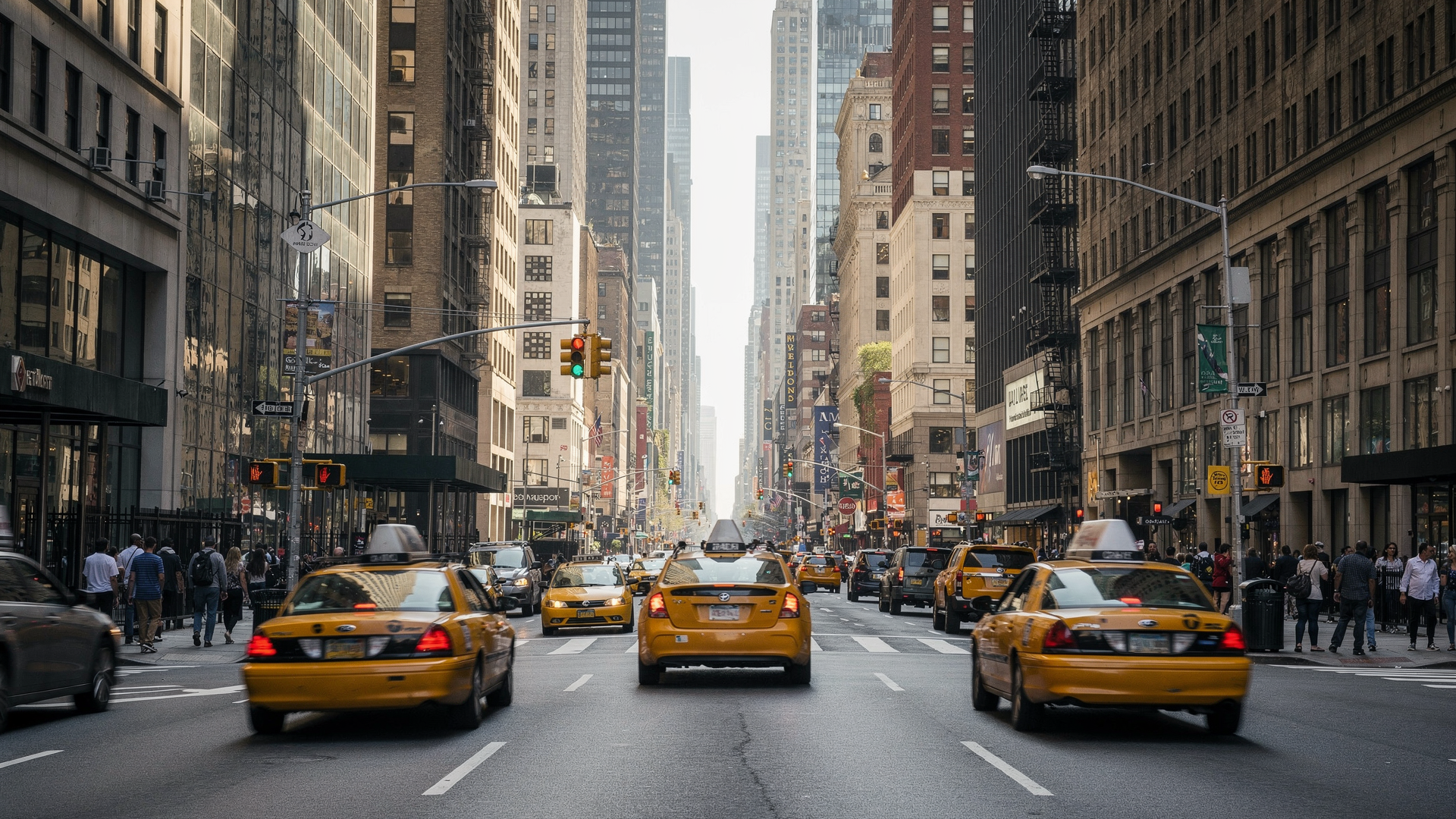
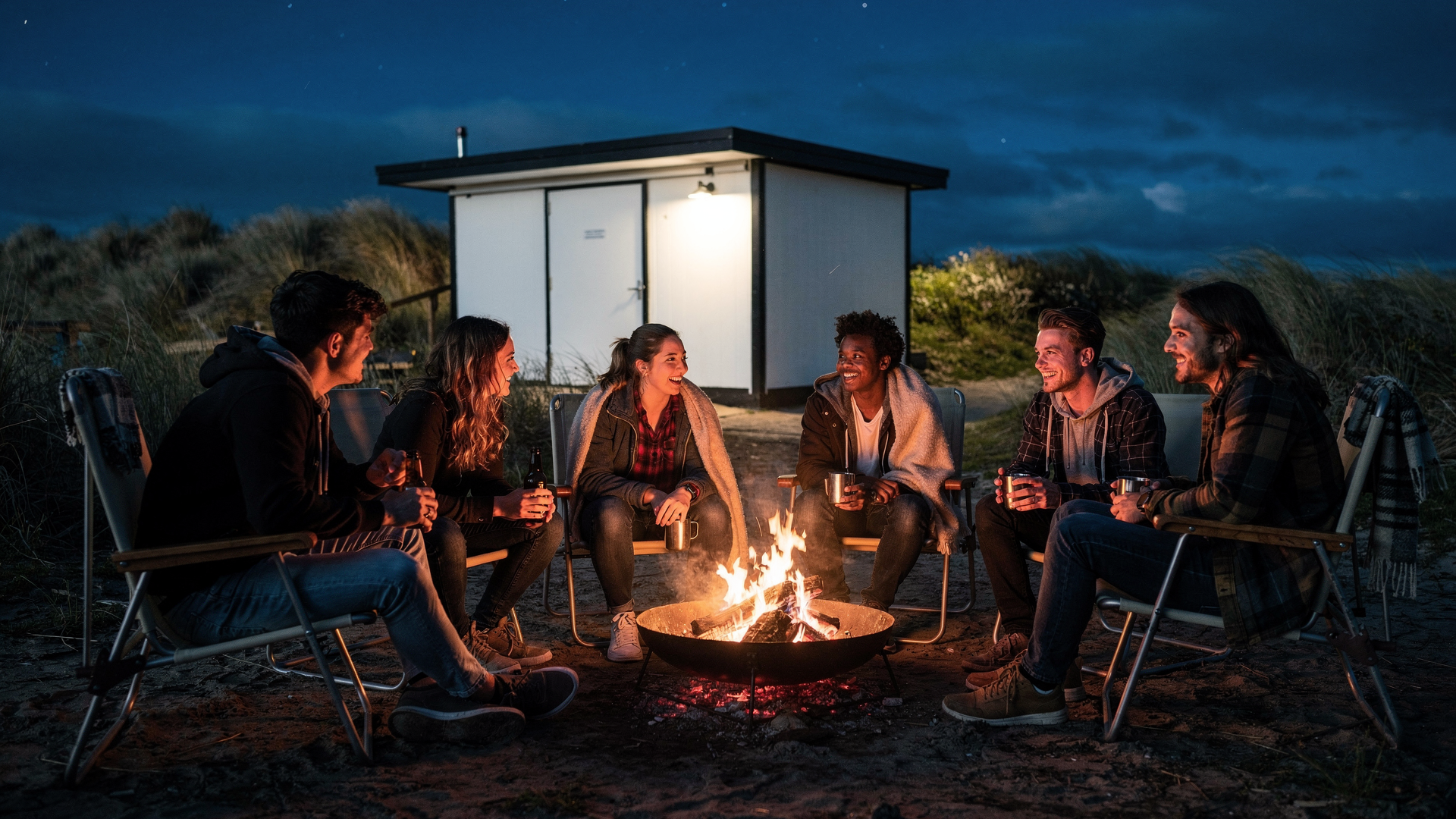
The step up in both realism and prompt adherence of this new model is a massive jump from the previous one. The biggest thing keeping Flux 2 from scoring better is that there is a pretty bad over-sharpening of many of the generated images.
Even though it ranks higher than a model such as Midjourney, it would probably still be chosen after due to its lower ratings in cinematic style and realism.
AI Image Generator #3: Nano Banana — 8.77/10
Nano Banana definitely surprised us in this test.
This is our favorite AI image editor, but one of its strongest features was its prompt adherence, which truly helped it to stand out against the other top tools (like Midjourney).
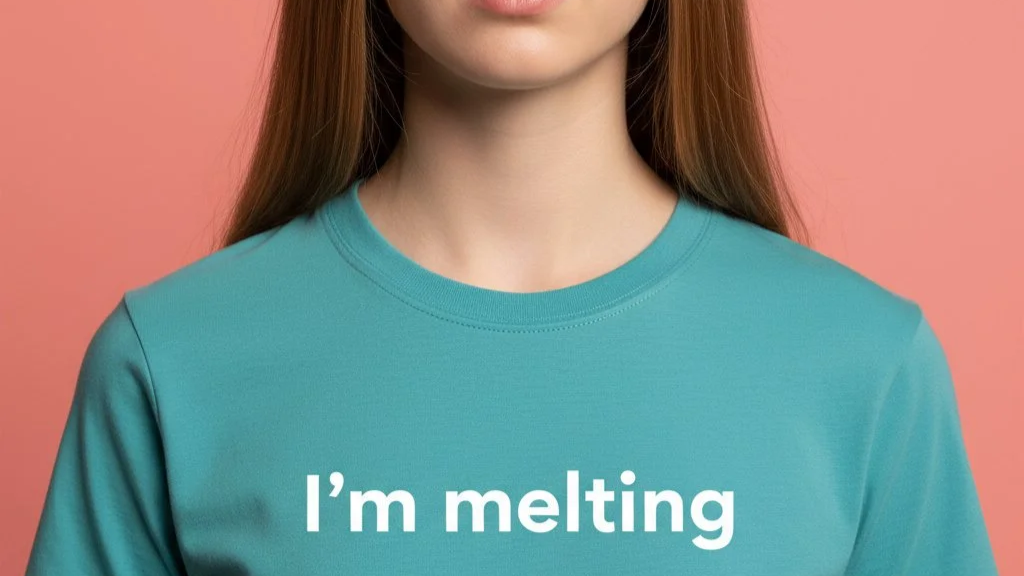

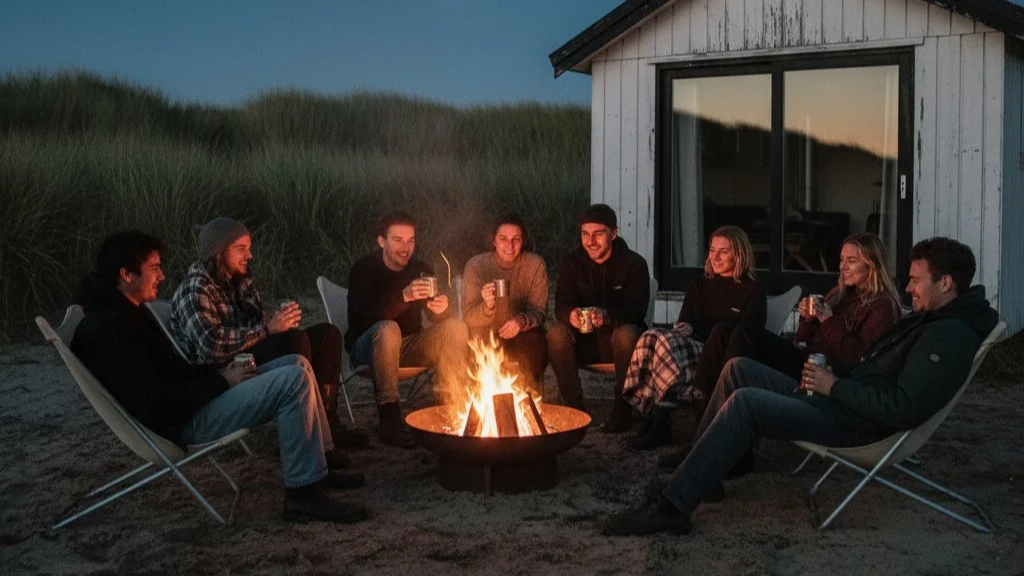
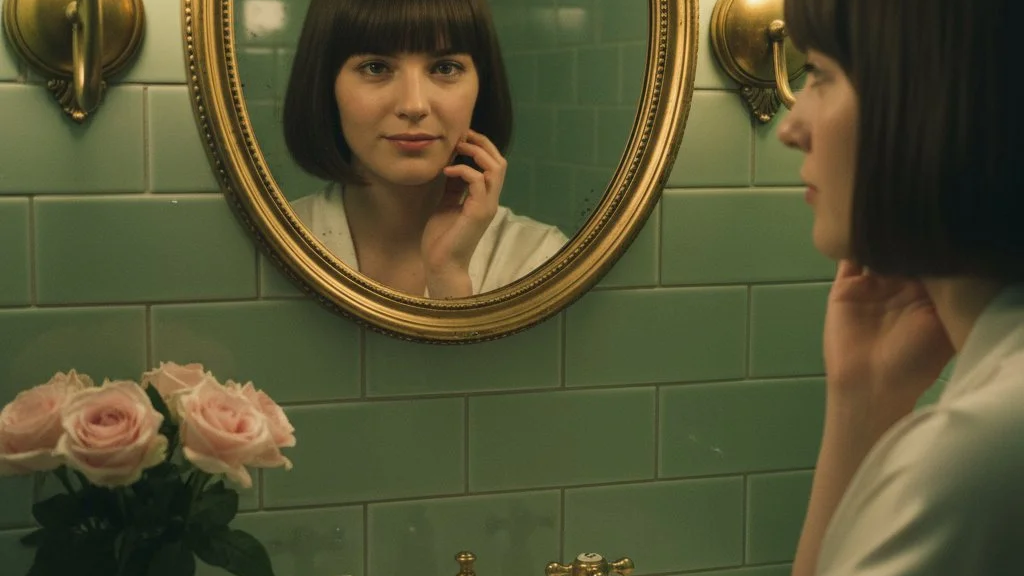
Nano Banana’s Biggest Strength: Prompt adherence and consistency are unmatched
Nano Banana’s Biggest Weakness: Poor output resolution
The issues that keep it from having an even higher rating are its struggle to generate more stylized, cinematic images.
Nano Banana can replicate styles extremely well when given reference images, but whenever we are trying to get a more stylised starting point, we often prefer to start with Midjourney.
AI Image Generator #4: Midjourney — 8.62/10
To no one’s surprise, Midjourney is right near the top.
This AI image generator is probably still our preferred tool, primarily because its ability to generate incredibly cinematic and realistic images still seems to be unmatched.
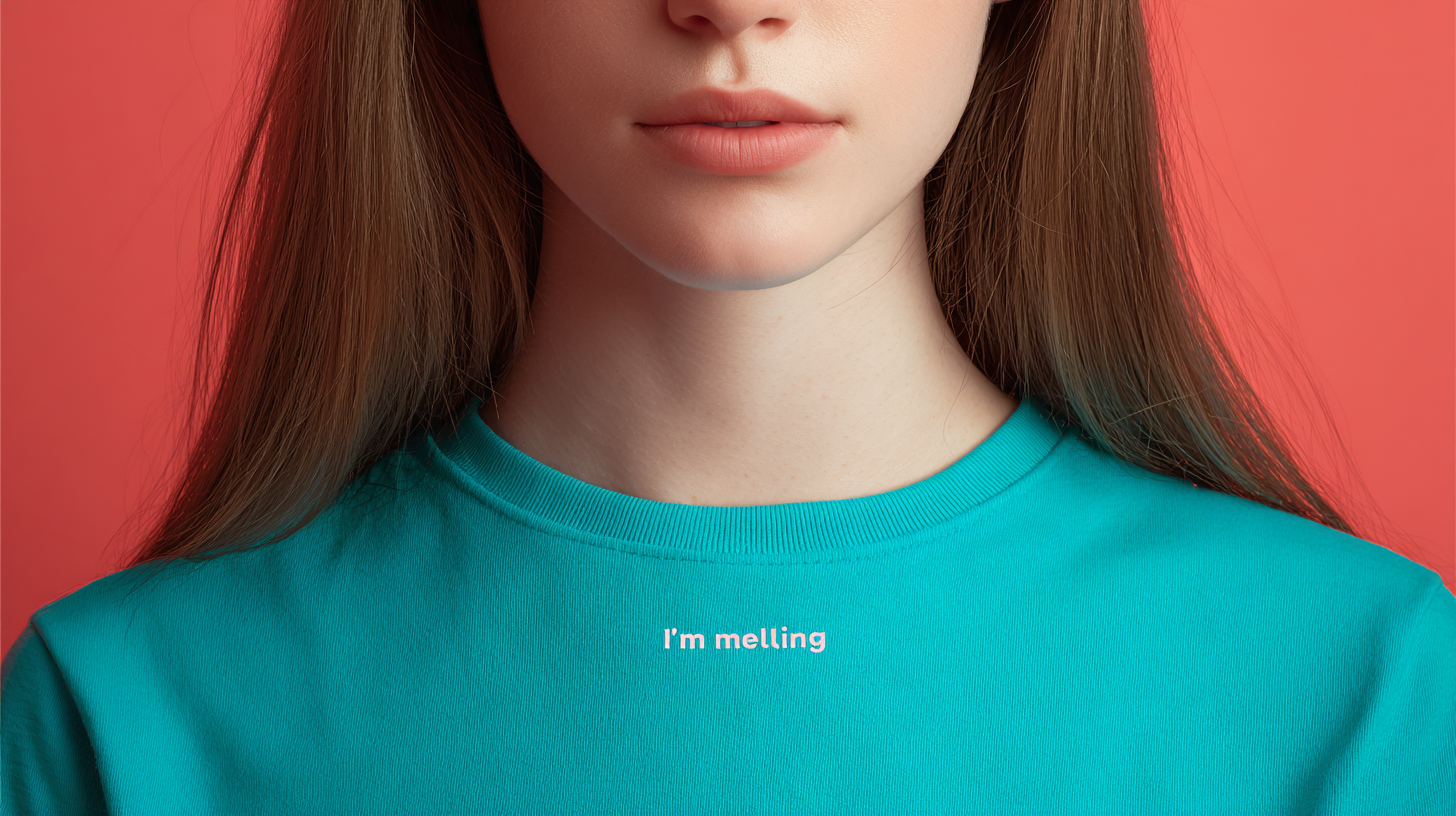
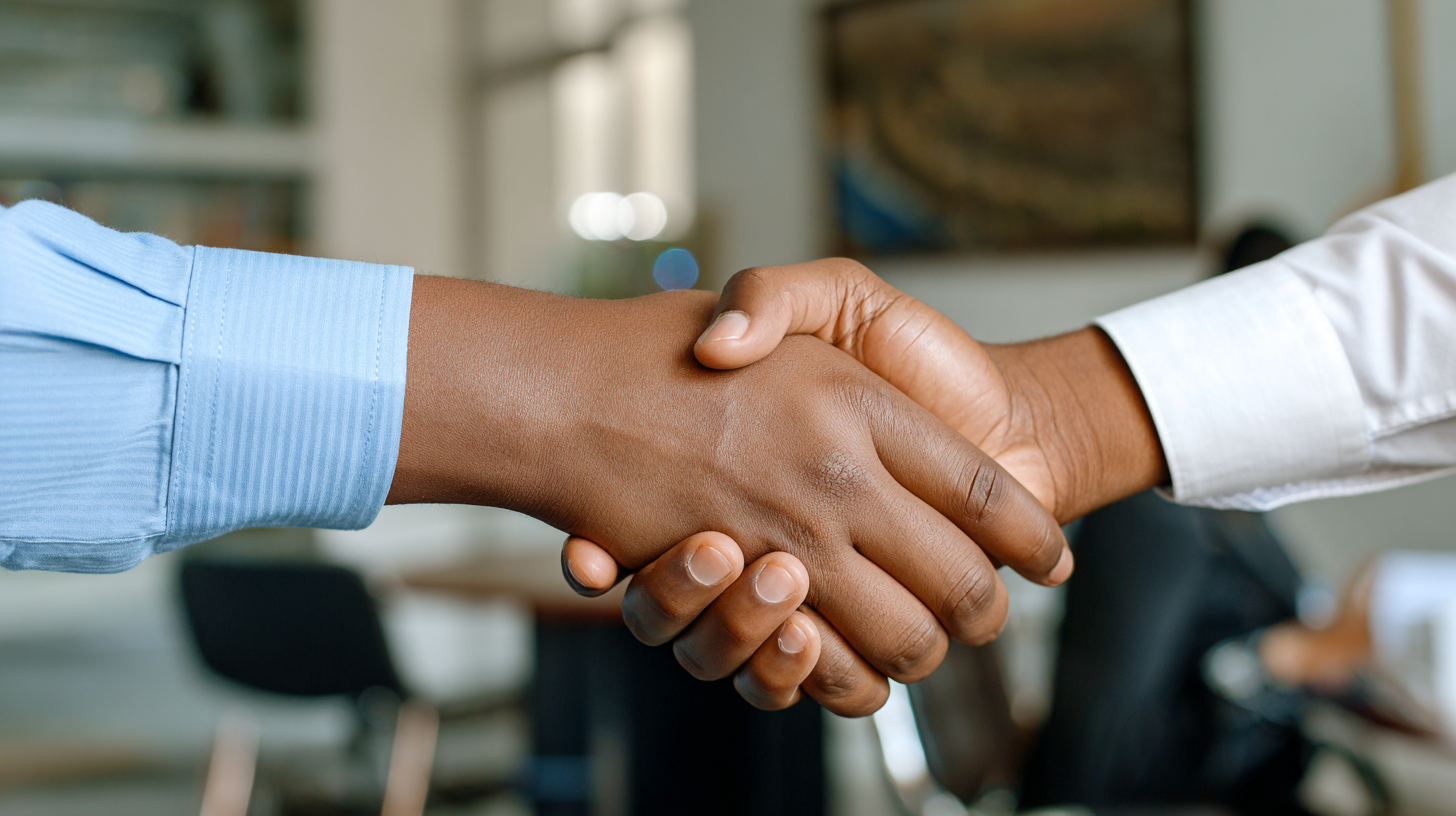
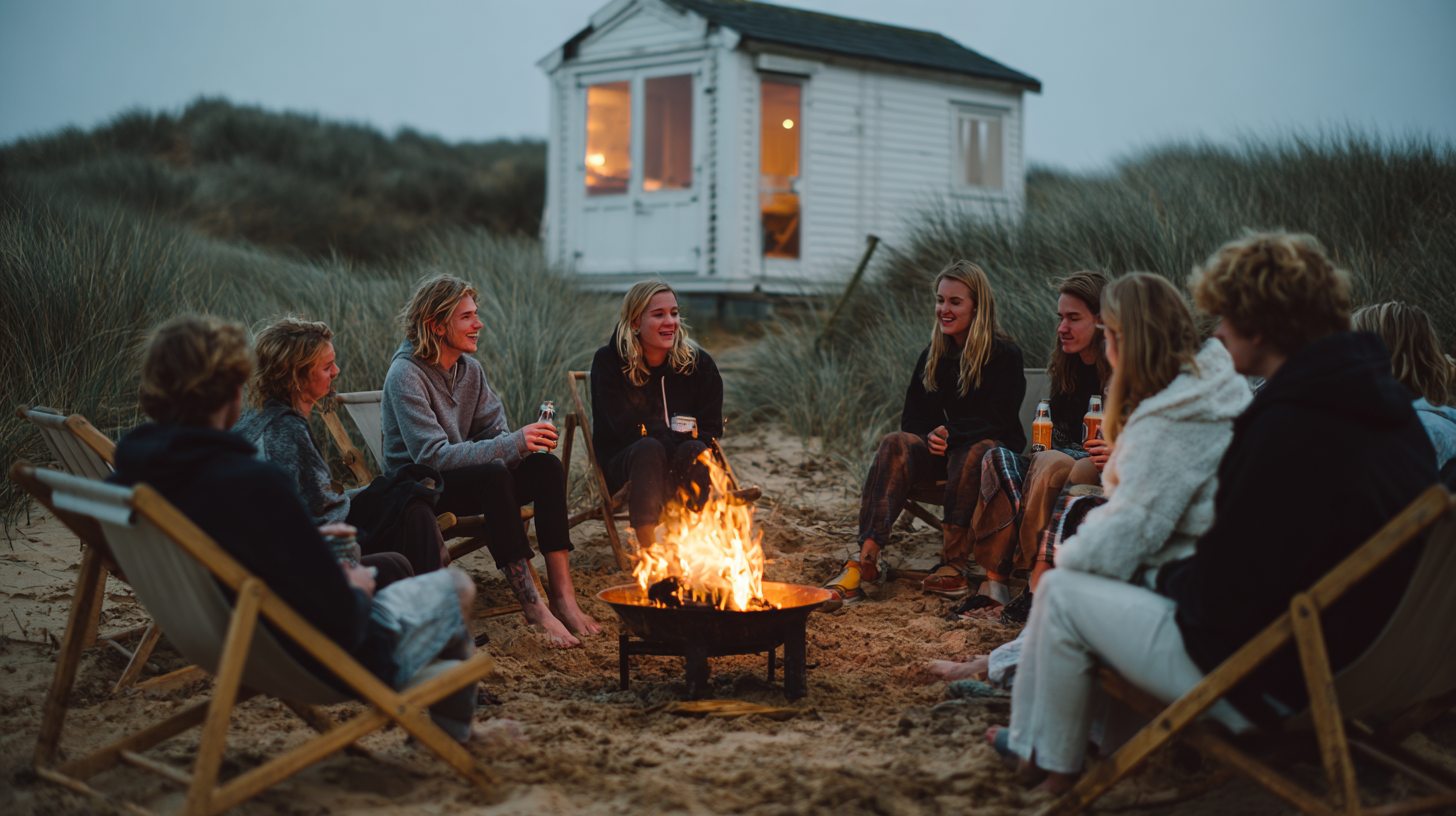
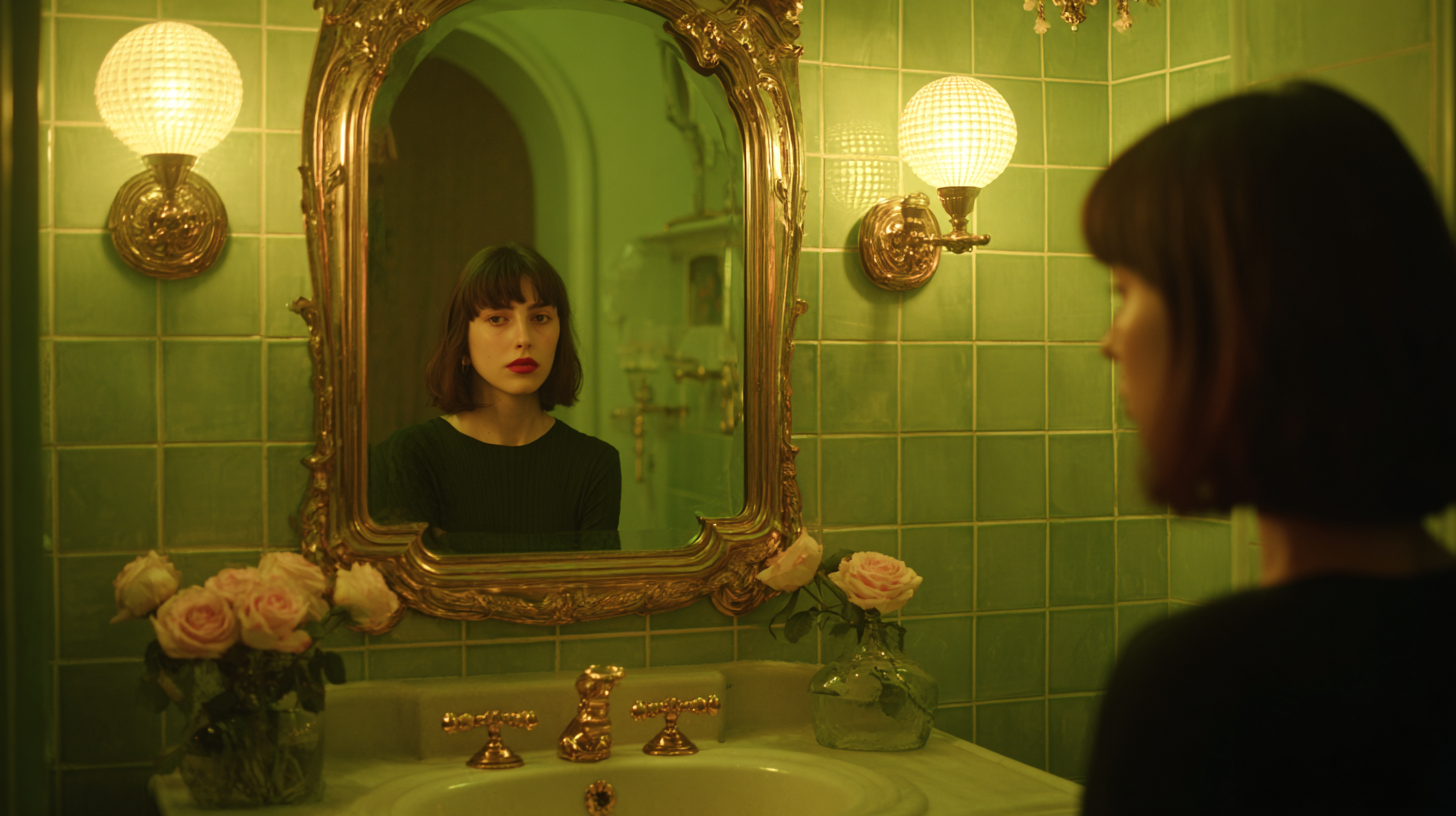
Midjourney’s Biggest Strength: Cinematic style and flair is unmatched
Midjourney’s Biggest Weakness: Text & Compositing Text
As Midjourney’s ability to generate incredibly stylized and cinematic images has grown, an area it has struggled with has been text.
Its accuracy has gotten better over time, but it still has little to no ability to make progress in the ability to composite text in a way that looks realistic.
Free Midjourney Style Guide
Fill out the form below and start creating now!
AI Image Generator #5: Chat GPT 1.5 — 8.55/10
Chat GPT 1.5 recently hit the scene and has made a massive improvement from it’s previous model.
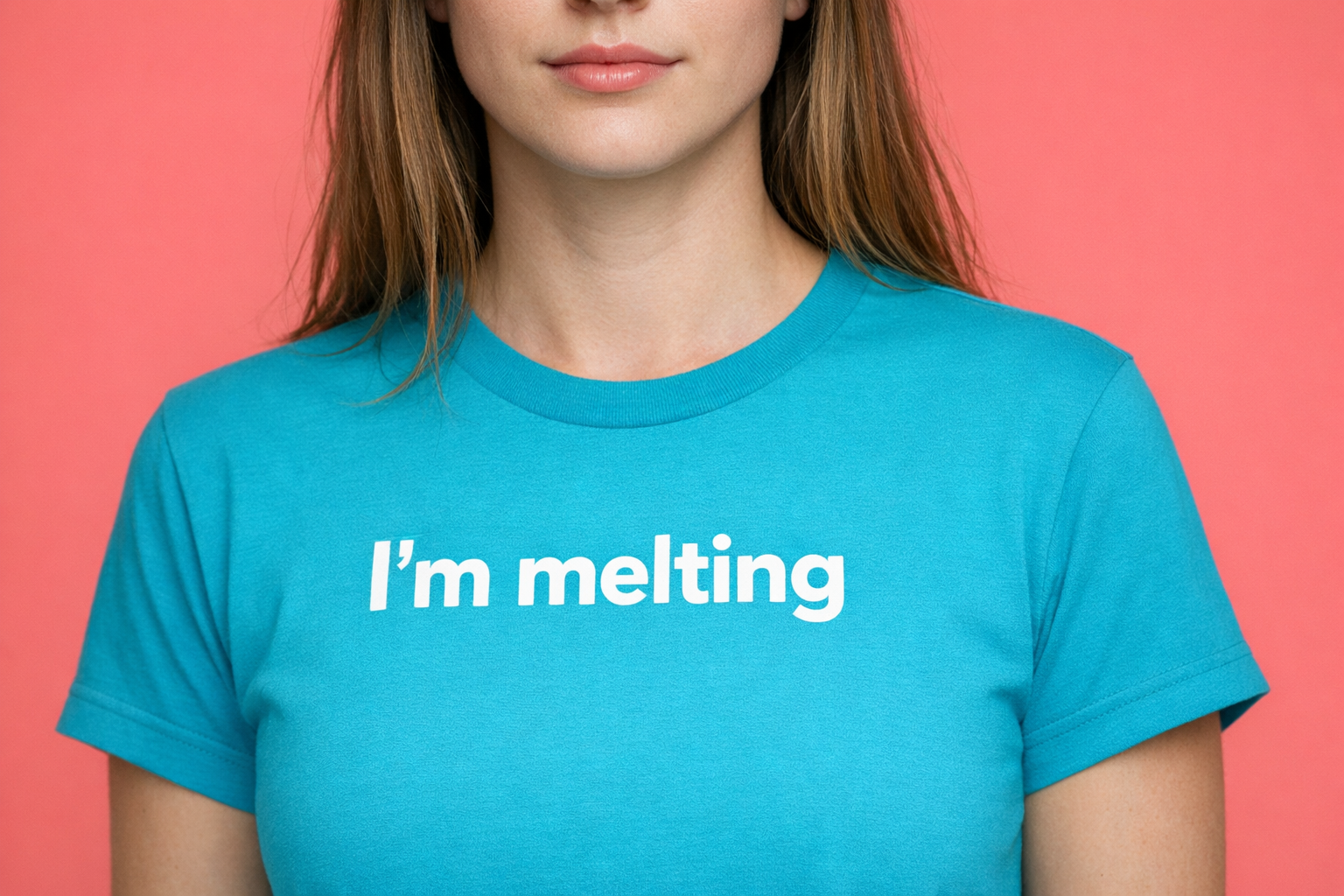

Chat GPT 1.5’s Biggest Strength: Prompt Adherence
Chat GPT 1.5’s Biggest Weakness: Realism
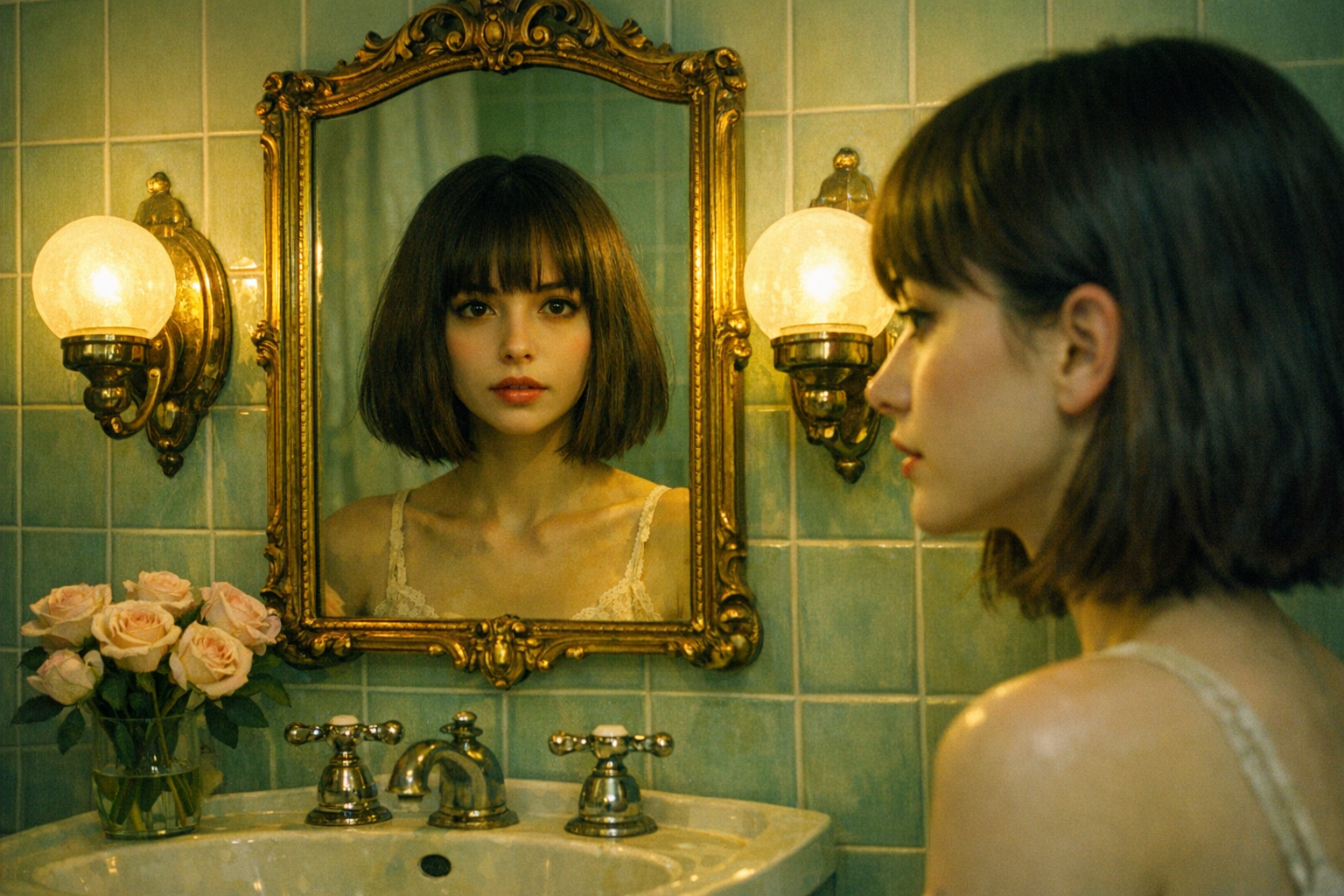
Chat GPT 1.5’s strength lies in it’s prompt adherence abilities, as to be expected. The same issues remain true, being a lot of the images still do not turn out realistic.
AI Image Generator #6: Ideogram — 8.51/10
Ideogram is an AI Image generator that was originially created to help in creating social content.
It has seemed to expand to more of a broader AI image tool, offering features like character consistency in their platform.

Ideogram’s Biggest Strength: Prompt Adherence
Ideogram’s Biggest Weakness: Output is less realistic and more artificial
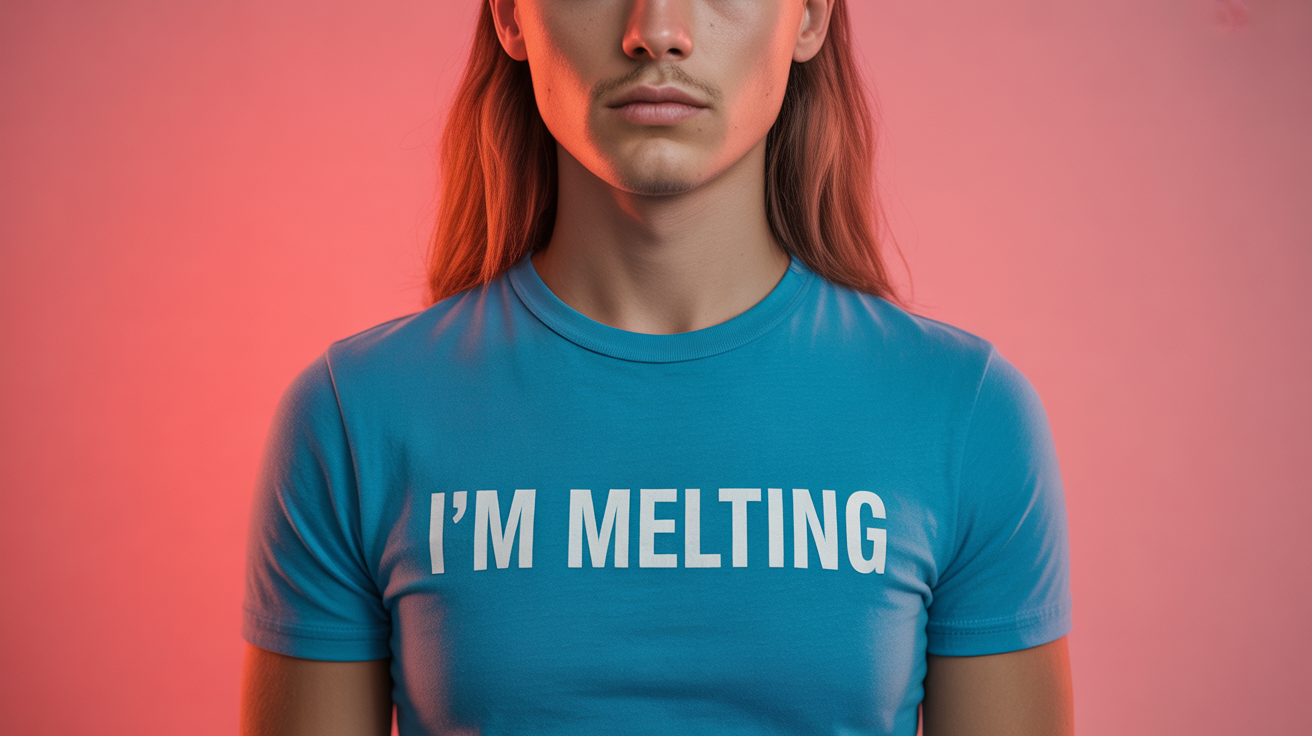
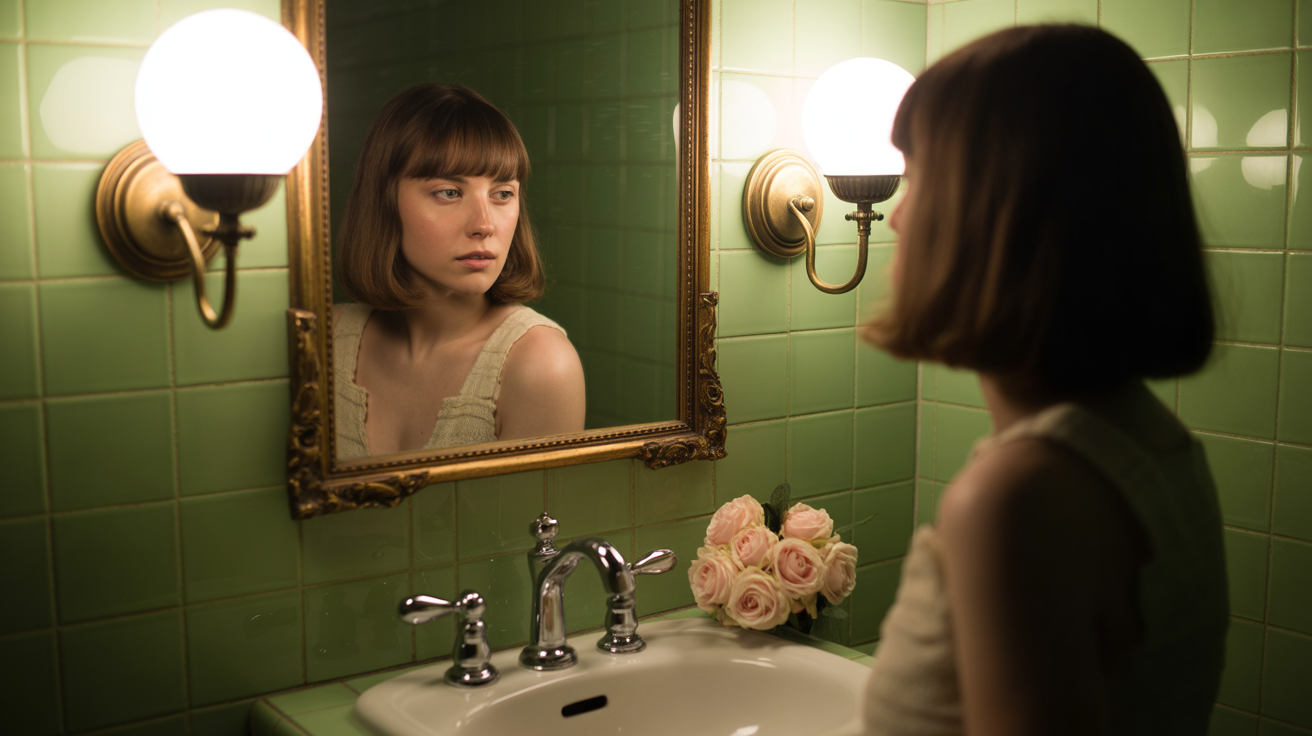
From the origin of this tool, text has been something that the model has done well with. The thing that keeps this model from doing better is its struggle with creating realistic and cinematic result consistently.
There are often times that the model will generate realistic images, but they end up looking like more stock images than cinematic stills from a film.
AI Image Generator #7: Imagen 4 — 8.49/10
Imagen 4 is incredibly reliable, scoring near-perfect 10s for prompt adherence and delivering clean, photorealistic images with very few artifacts.
It excels at technical accuracy, especially with text, hands, and product-style shots—making it one of the most consistent models for professional workflows.


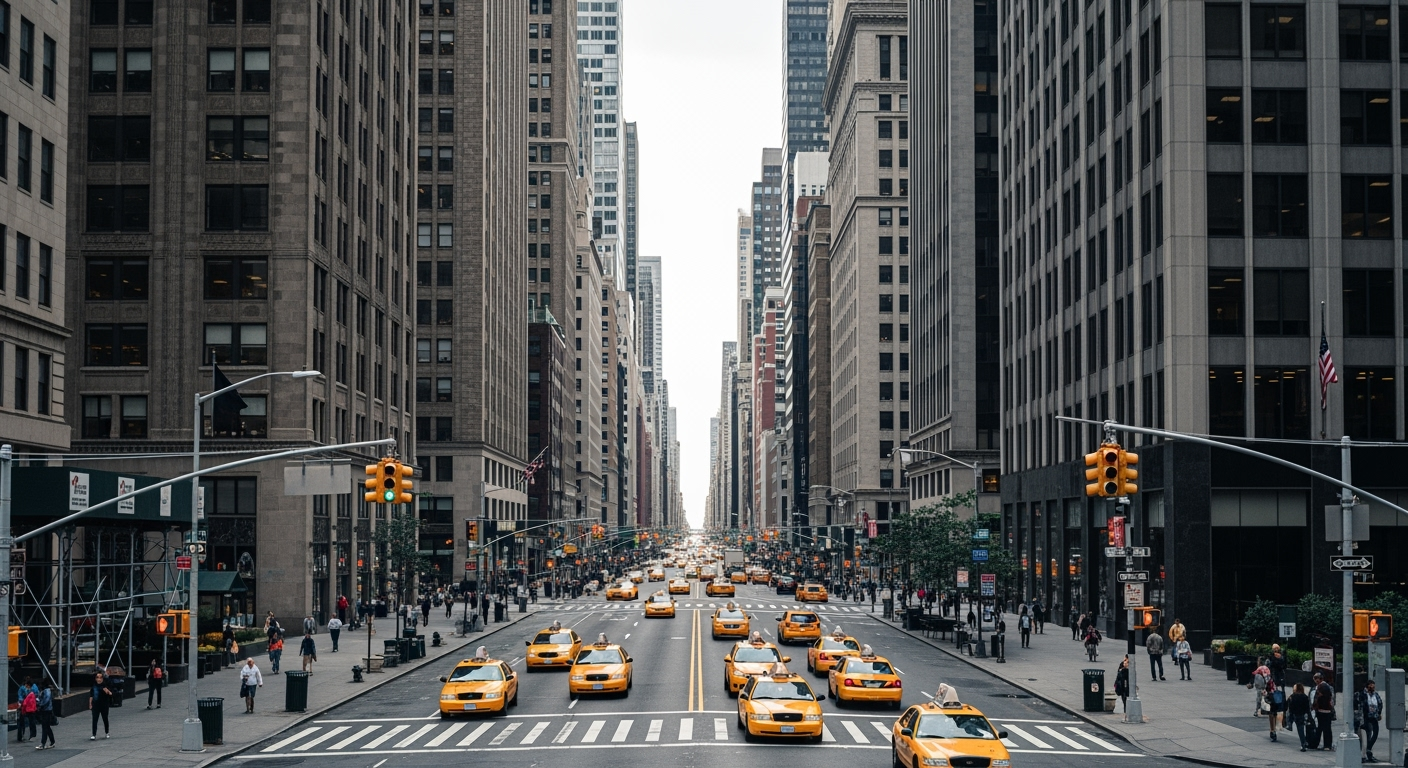
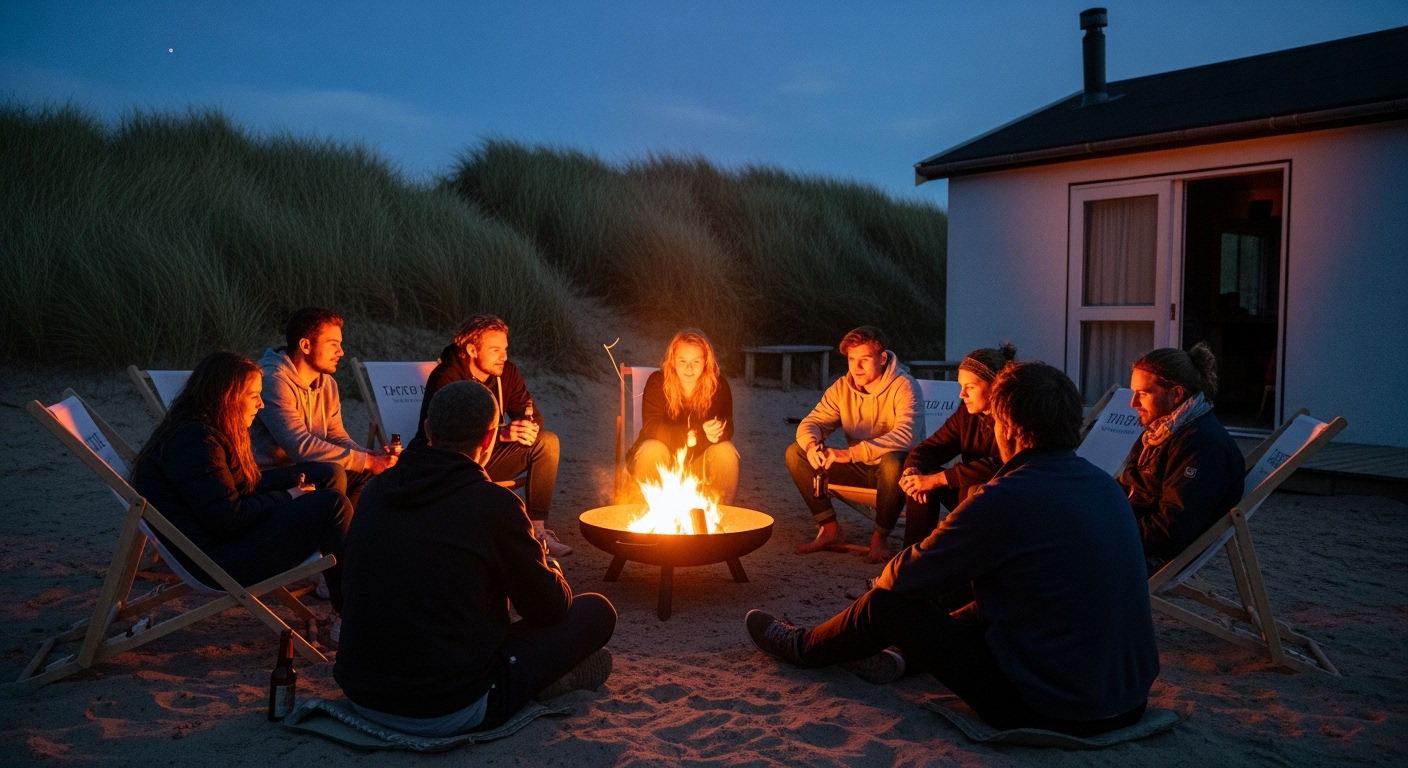
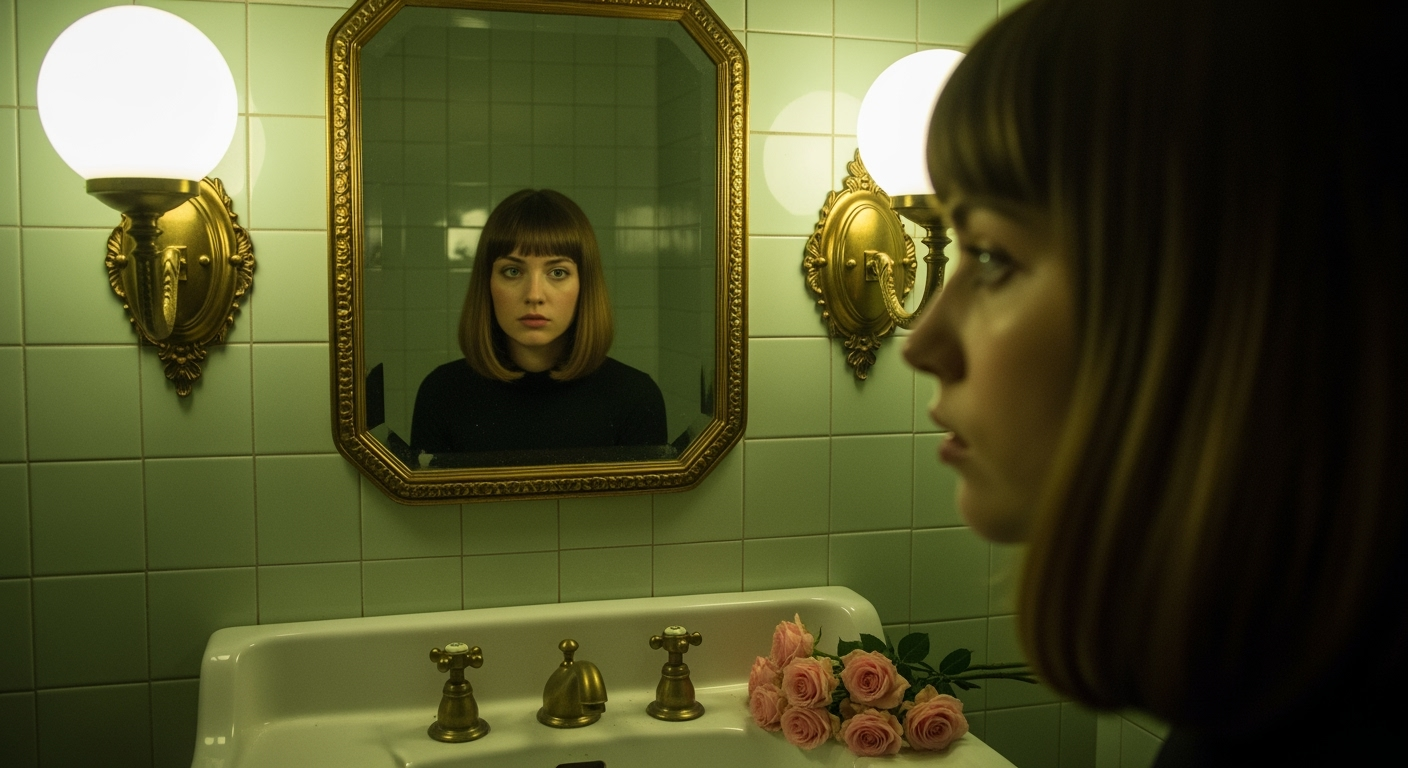
Imagen 4’s Biggest Strength: Prompt Adherence
Imagen 4’s Biggest Weakness: Has the notorious ‘AI’ look to lots of generations
The model’s biggest weaknesses are that its outputs tend to be less stylized or cinematic than those from models like Midjourney, often feeling flatter or more literal.
Its results feel less creative for storytelling or highly aesthetic projects.
AI Image Generator #8: Recraft — 8.46/10
Recraft surprised us with its performance. We honestly haven’t played with this model too much before running these tests, but we were incredibly pleased with its results.
Recraft does a great job generating images that are cinematic, realistic, and aesthetic.


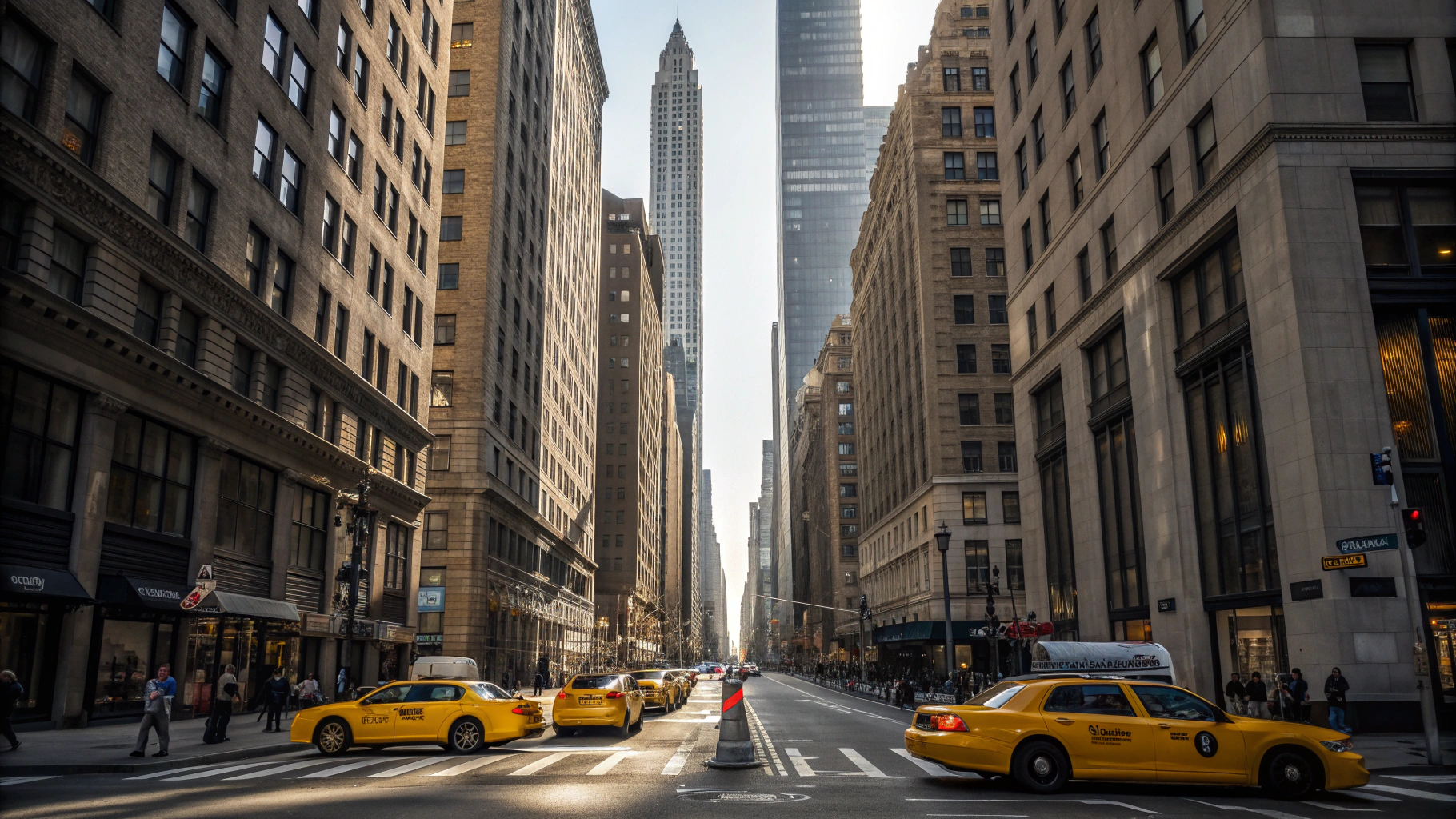
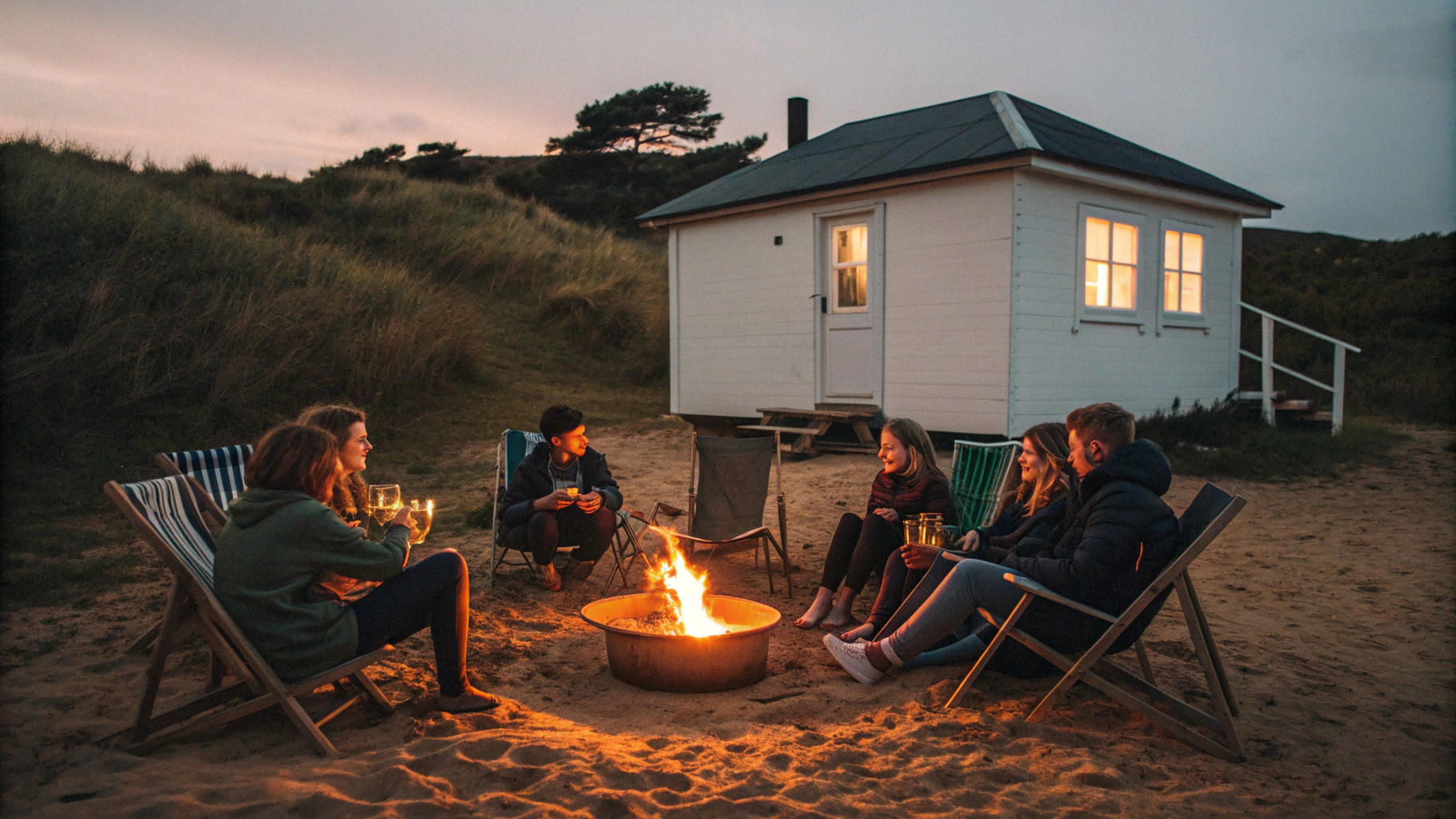
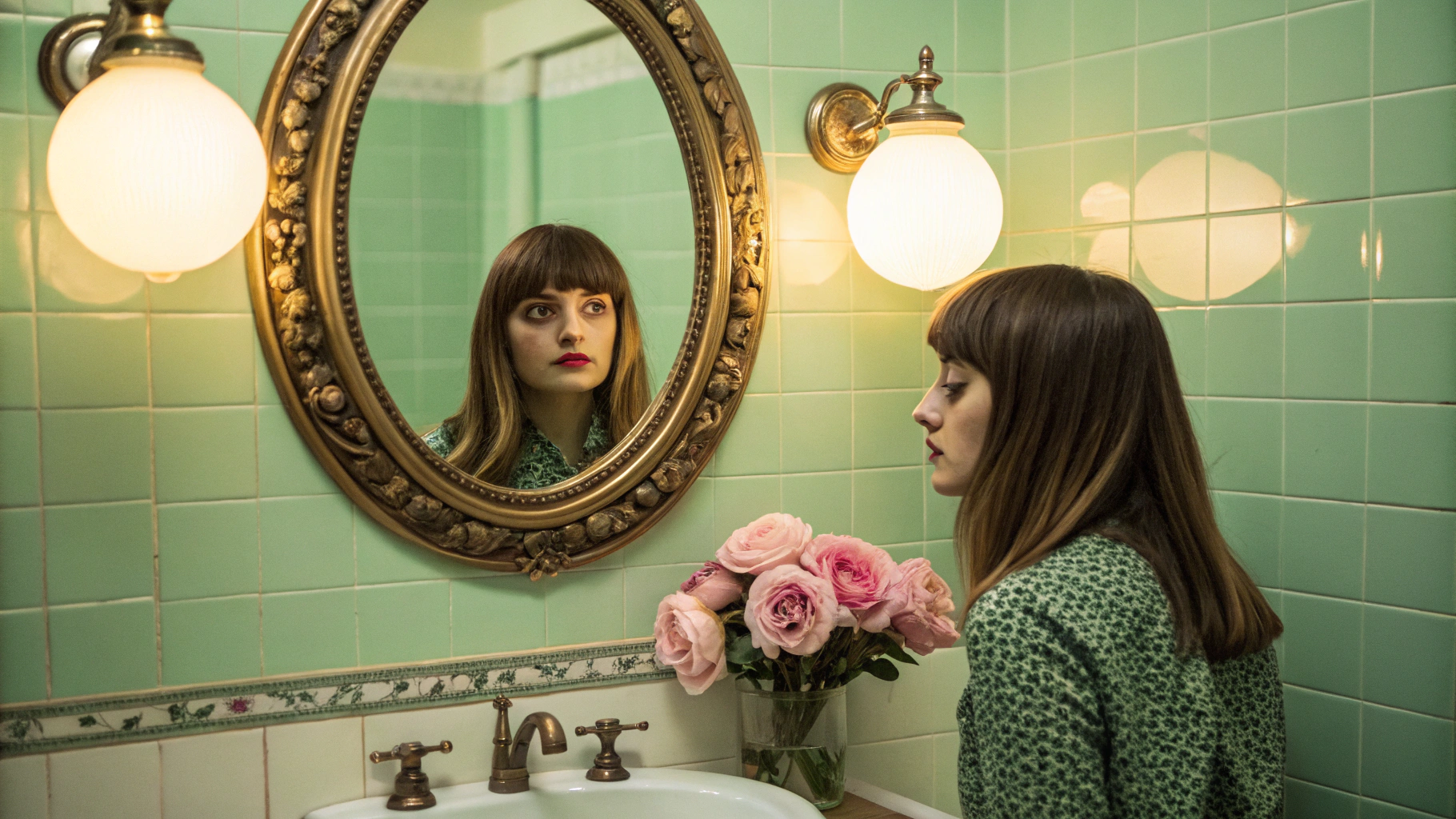
Recraft’s Biggest Strength: Incredibly Realistic
Recraft’s Biggest Weakness: Visual fidelity struggles often
The biggest struggle for this model is its consistency. When the model does well, it does very well (obviously), but it was not uncommon for the outputs to be pretty inaccurate from the prompt, while other models performed well.
We hope this model gets better over time, because it has so much potential.
AI Image Generator #9: Reve — 8.29/10
Reve is similar to Recraft for us; we haven’t played with it too much, but we were pleasantly surprised by its performance.
Whenever they first launched their model, the outputs appeared to be incredibly aesthetic and stylized. This model definitely has potential for creating that type of content, but it’s not as easy as you might hope.


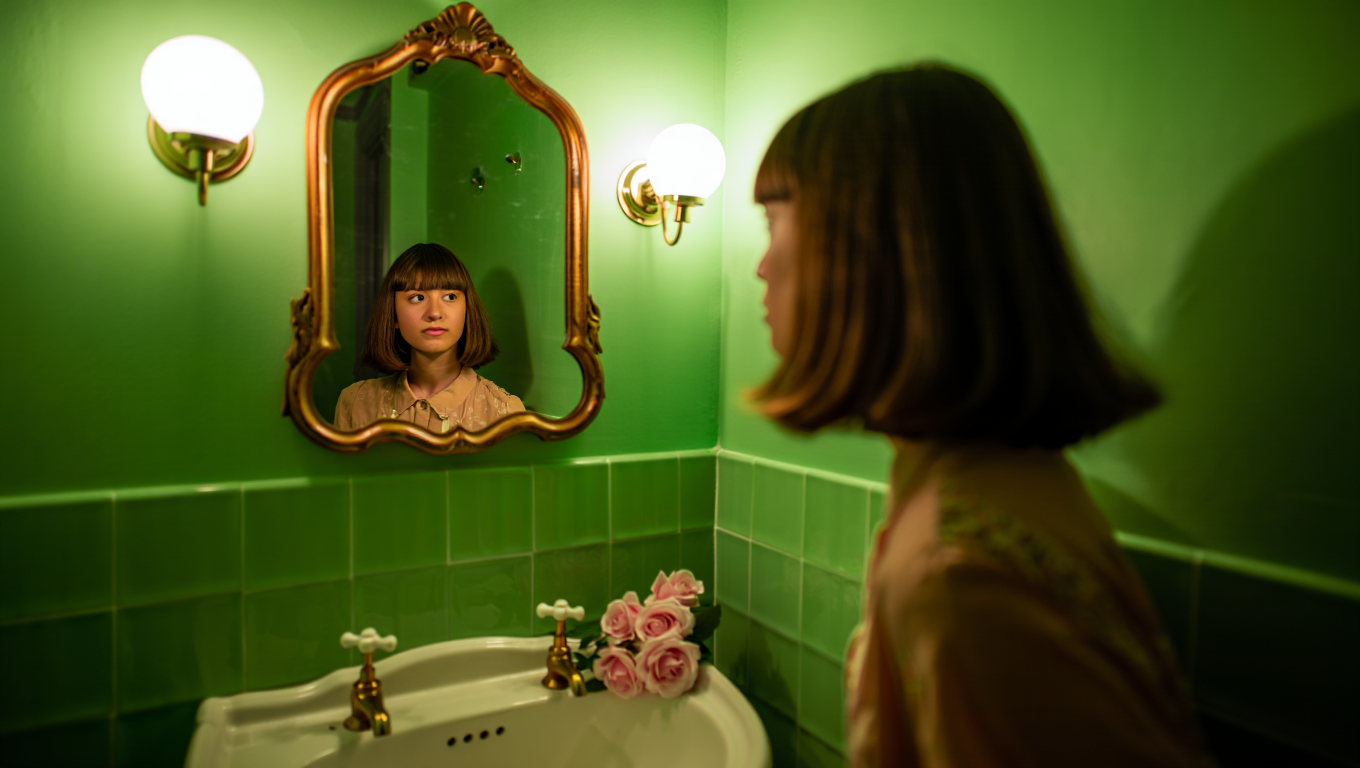
Reve’s Biggest Strength: Realism
Reve’s Biggest Weakness: Its best generations are average at best
Reve excels in following directions and adhering to the prompt. The area that this model struggles with is the results struggle to look realistic and cinematic.
The results often lacked depth and style.
AI Image Generator #10: Kling — 8.28/10
Kling’s AI Image generator falls right in the middle of the pack, which is honestly the perfect representation of the tool.
Kling’s AI image generator is the most middle-of-the-road tool on this list. It’s reliable and consistent, but even its best images don’t seem to compete with the ones at the top of the list.

Kling’s Biggest Strength: Prompt Adherence
Kling’s Biggest Weakness: Looks more Editorial and less cinematic
If you have to use this image generator, you don't need to be disappointed, but if you have a choice, we would recommend a different option.
AI Image Generator #11: Higgsfield Soul — 8.25/10
Higgsfield has definitely been positioning itself as an aggregator, and with all the API they are now offering, it’s super easy to forget they have their own video and image models.
Higgsfield’s image generator can create some incredibly impressive results, but the weakness is in it’s consistency.




Higgsfield Soul’s Biggest Strength: Prompt Adherence
Higgsfield Soul’s Biggest Weakness: Over Contrasting Images
Not only that, but often the output comes out over contrasted, giving it more of a Y2K look (and not in a trendy way).
AI Image Generator #12: Lucid Origin — 8.21/10
At first glance, Lucid Origin is pretty impressive. It comes off as somewhat unpolished in a way that makes it appear more realistic.
The lighting and skin texture do better than most in appearing realistic, natural, and not too platic-y.




Lucid Origin’s Biggest Strength: Realism
Lucid Origin’s Biggest Weakness: Prompt Adherence
The problem comes whenever you really analyze the outputs; you see that the model struggles a bit in both prompt adherence and visual fidelity. There are small things that remain consistent throughout the tests.
Shadows fall incorrectly, people in conversations do not look at each other directly, and things along those lines.
AI Image Generator #13: Frames — 7.96/10
Frames seems to be similar to Reve. Whenever this new AI Image generator launched, the output examples were amazing. As per usual, Runway can produce some pretty impressive content.
The downside is, creating beautiful content is not a easy as it seems.


Runway Frame’s Biggest Strength: Realism
Runway Frame’s Biggest Weakness: Visual Fidelity
Frames struggled with prompt adherence, as well as realism. That notorious ‘AI’ look? Yeah, it’s pretty common when using frames, unfortunately.
The potential is there, but it’s not super high on our list.
AI Image Generator # 14: Luma AI’s Photon — 7.80/10
We were incredibly surprised (not necessarily in a good way) with Luma AI image generator’s performance. If we had a rating for how ‘AI-y’ a model looked, this model would have scored an 8/10.
It definitely had some solid generations; for the most part, the generations were typically pretty big misses.


Luma AI’s Biggest Strength: Prompt Adherence
Luma AI’s Biggest Weakness: Visual fidelity and Consistency
The skin typically resembles that of a doll more than an actual person.
We would like to highlight that in some tests, it outperformed the top models, but the results were too inconsistent and not worth the time.
Which AI Image Generator Should You Choose?
Here’s the thing: there are so many variables, from budget to workflows, and even UI preference. It’s hard to tell you exactly which AI Image Generator you should use.
We would recommend trying to stay in the top 5 if possible, but in all honesty, most of these options are pretty reliable.
Our favorite is to use a combination of both Midjourney and Nano Banana.

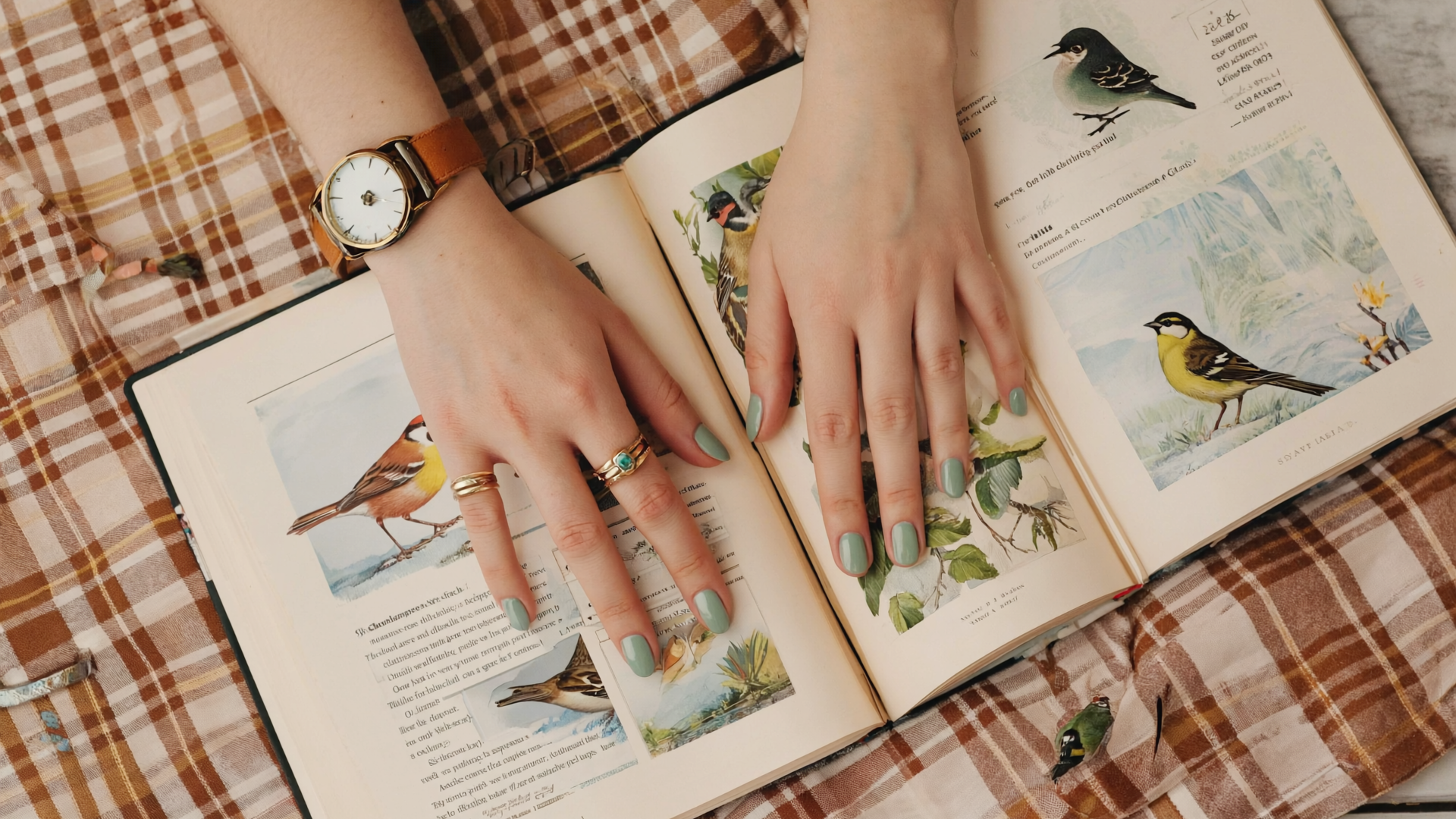
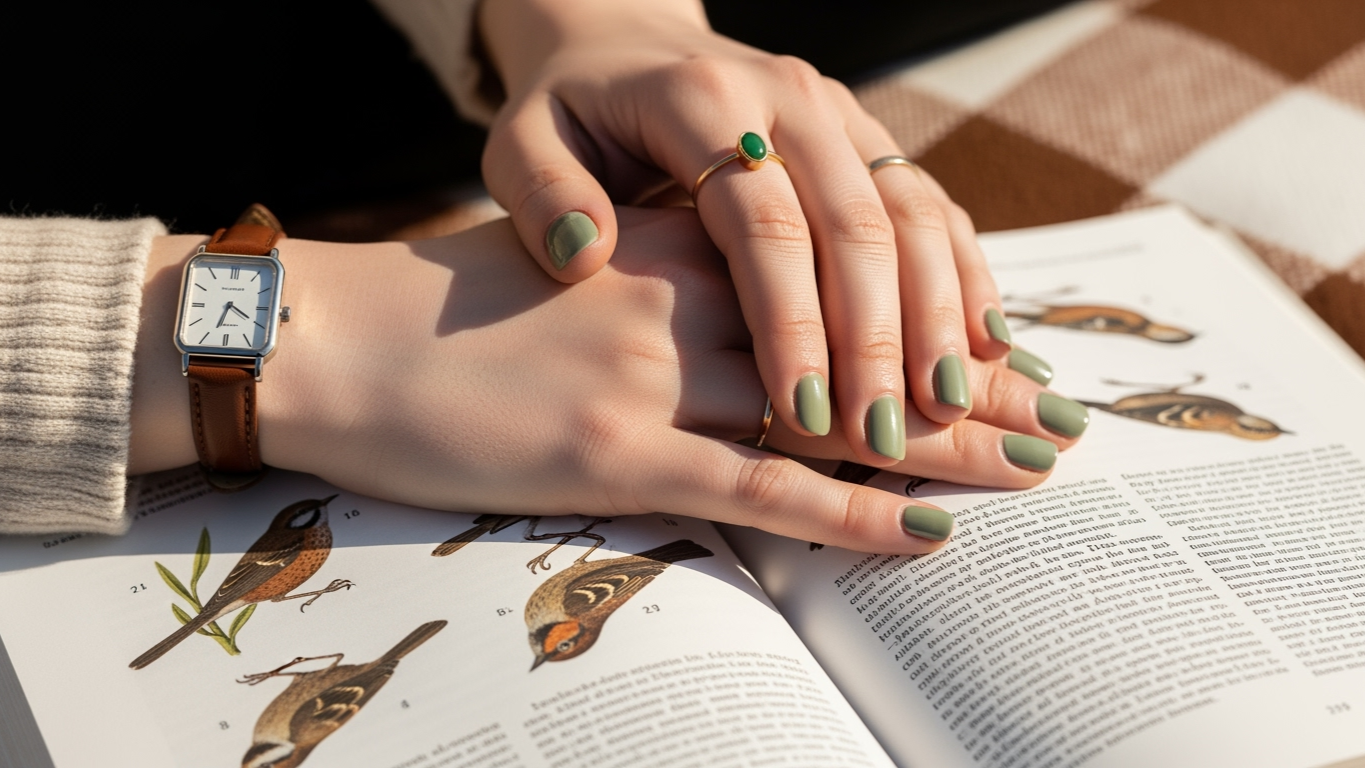
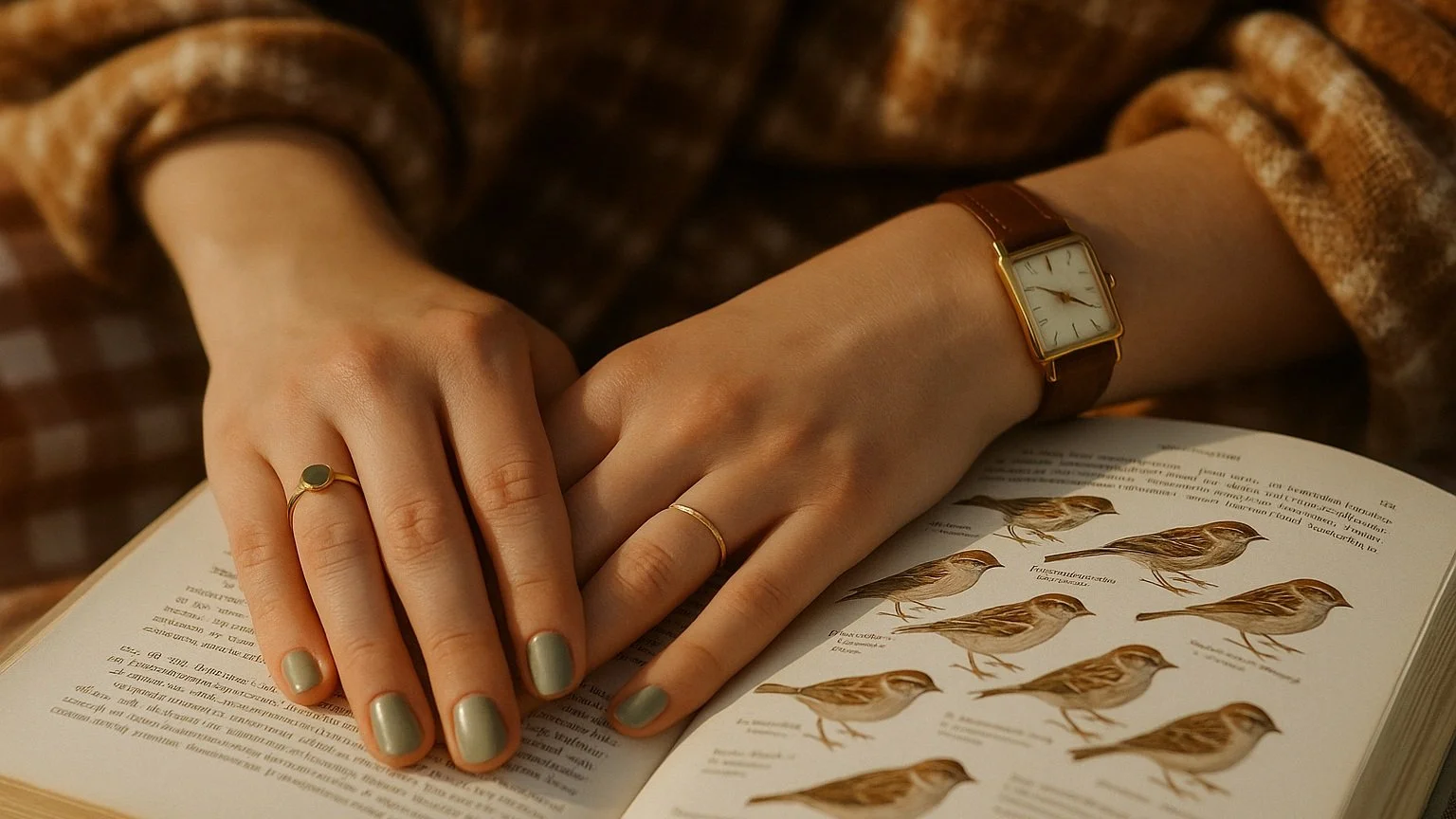
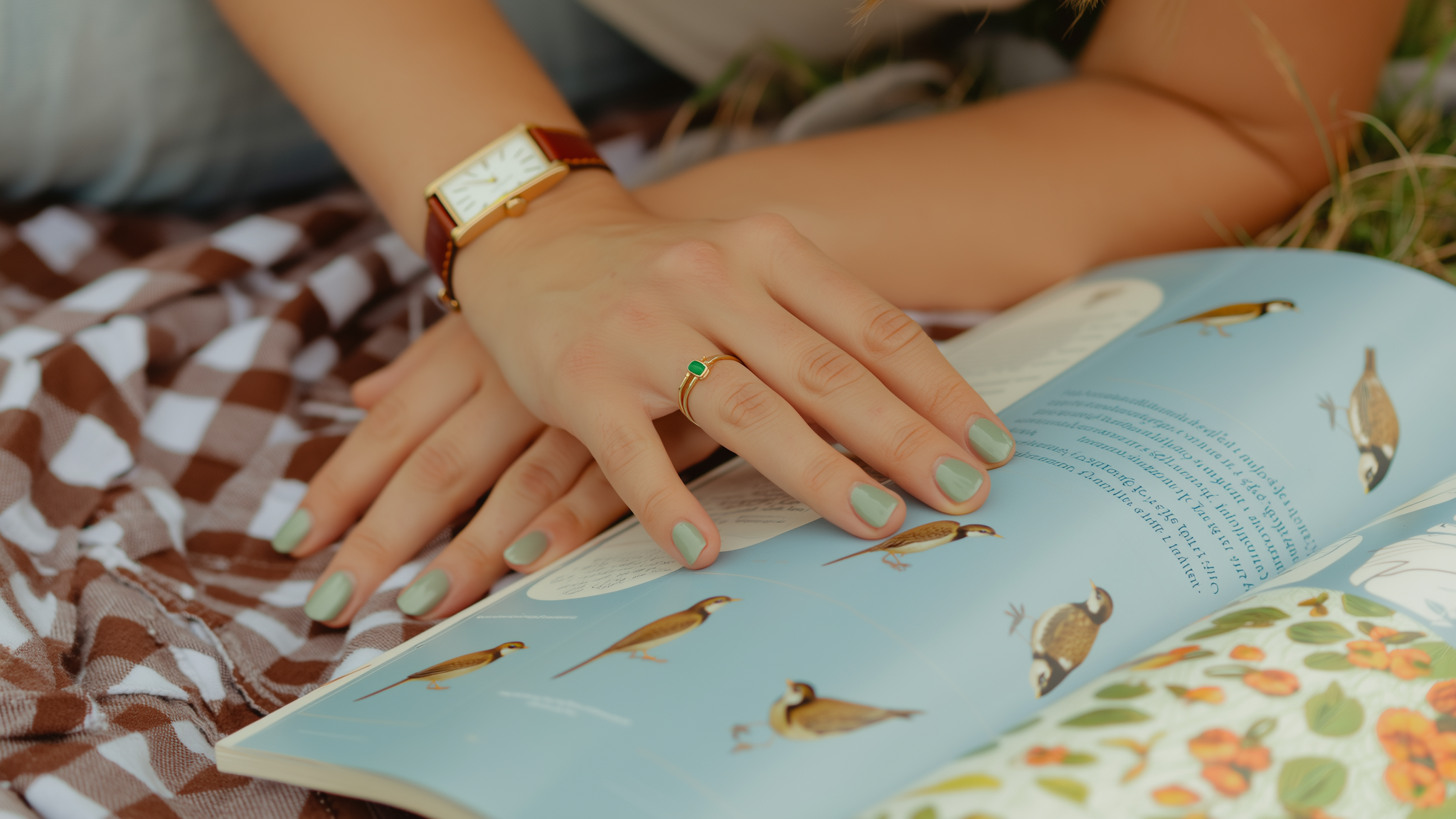
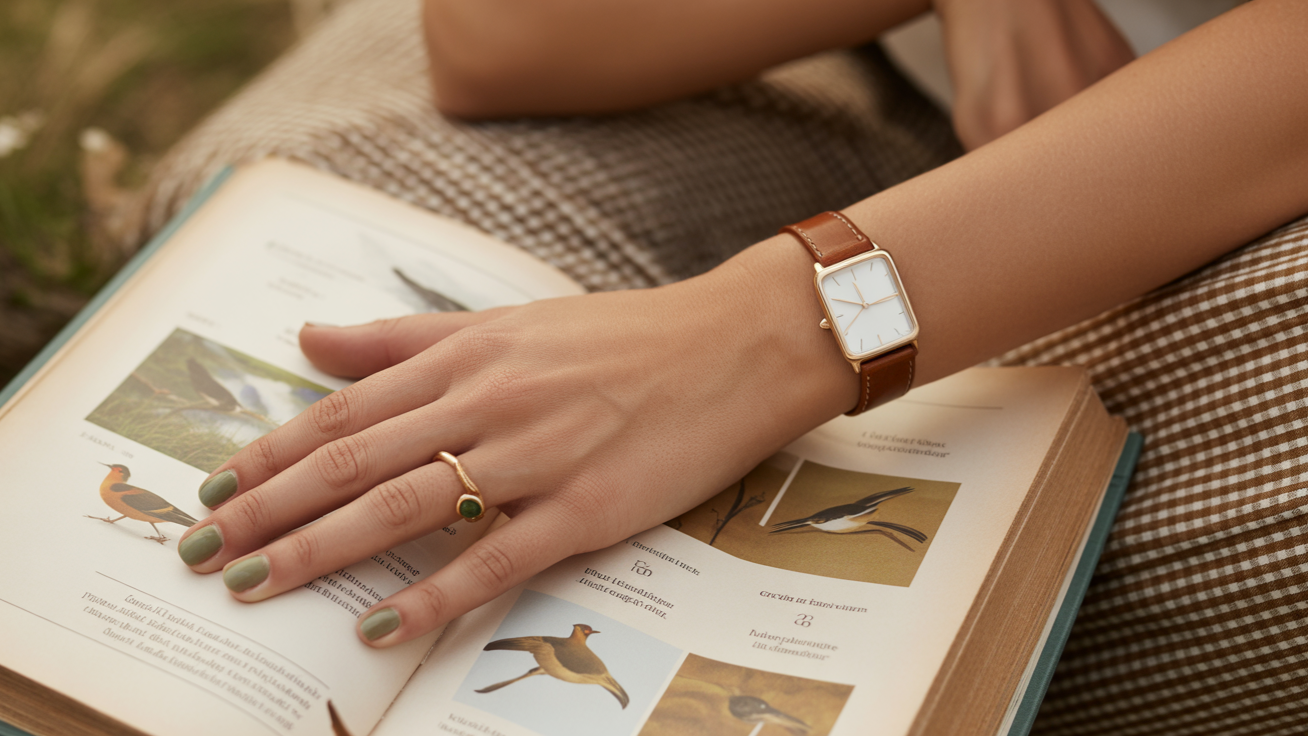
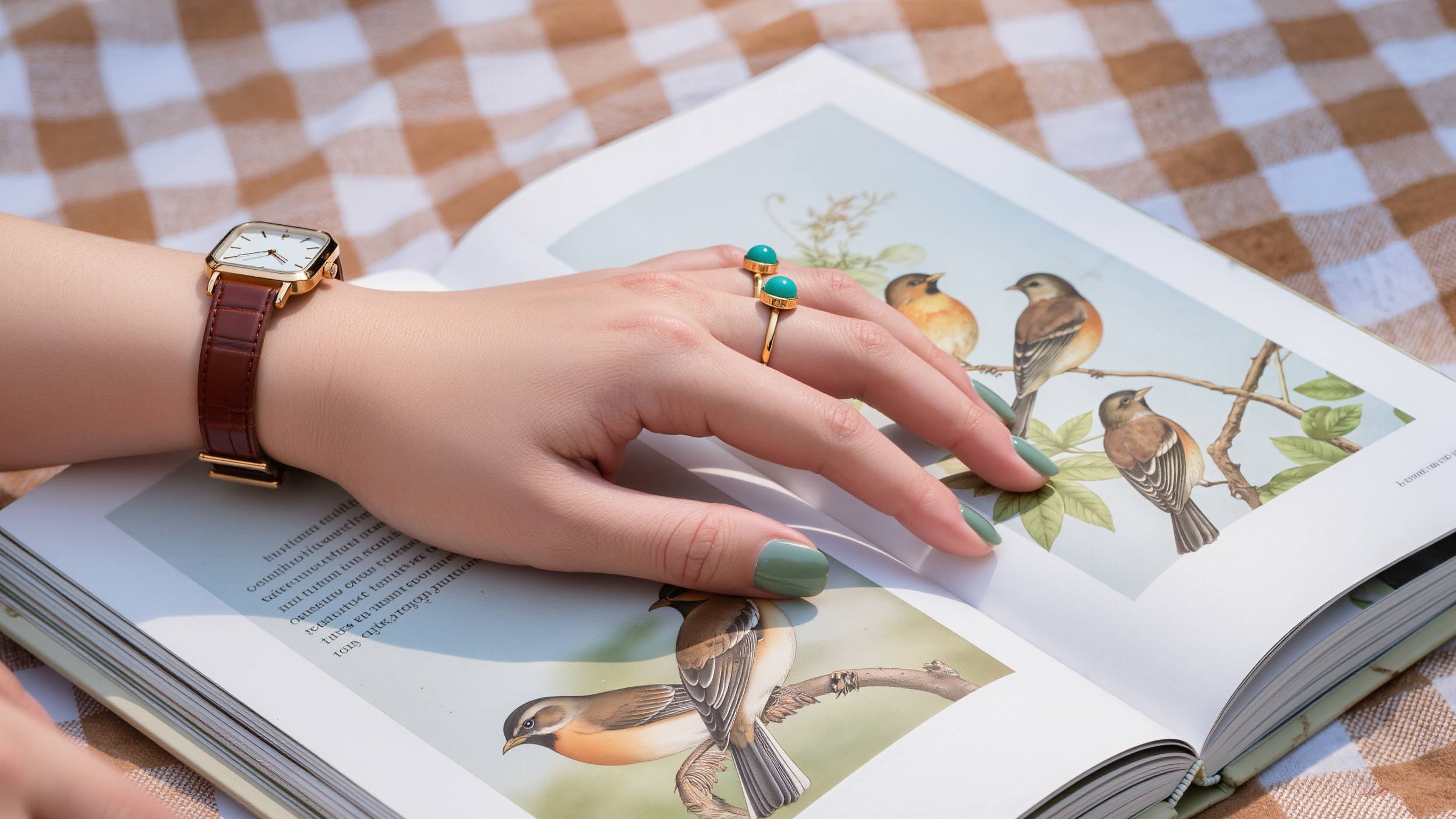
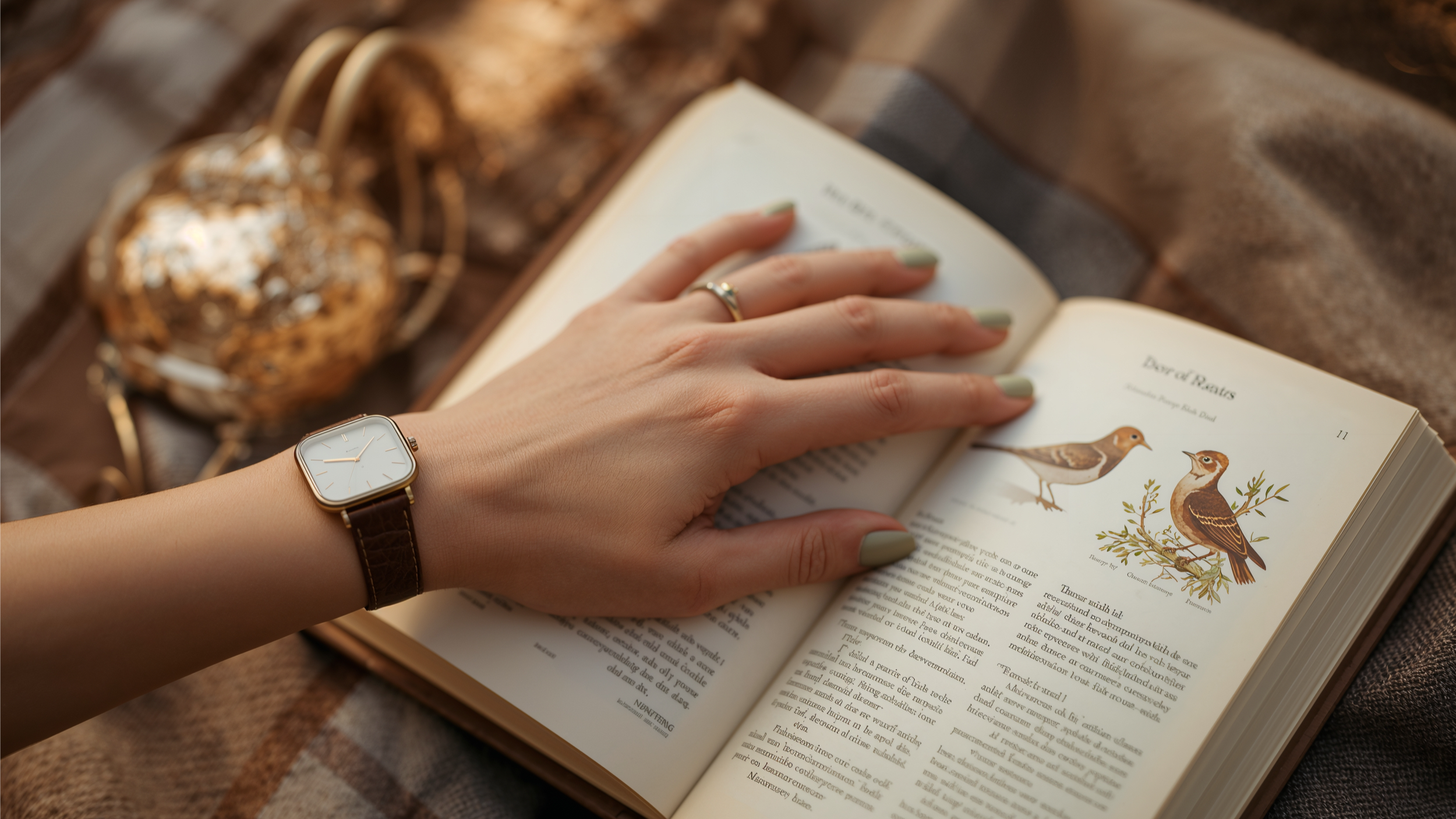
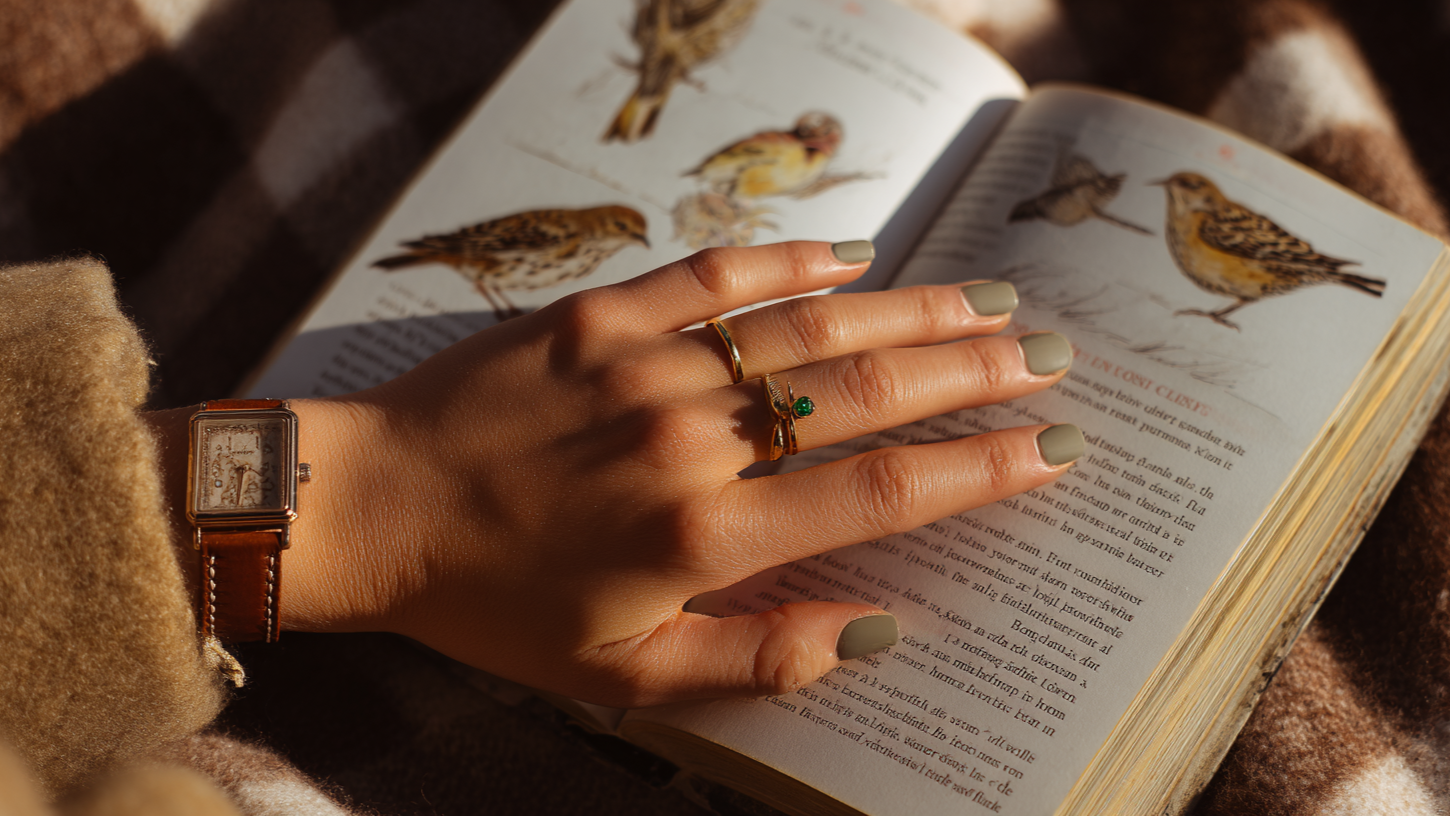
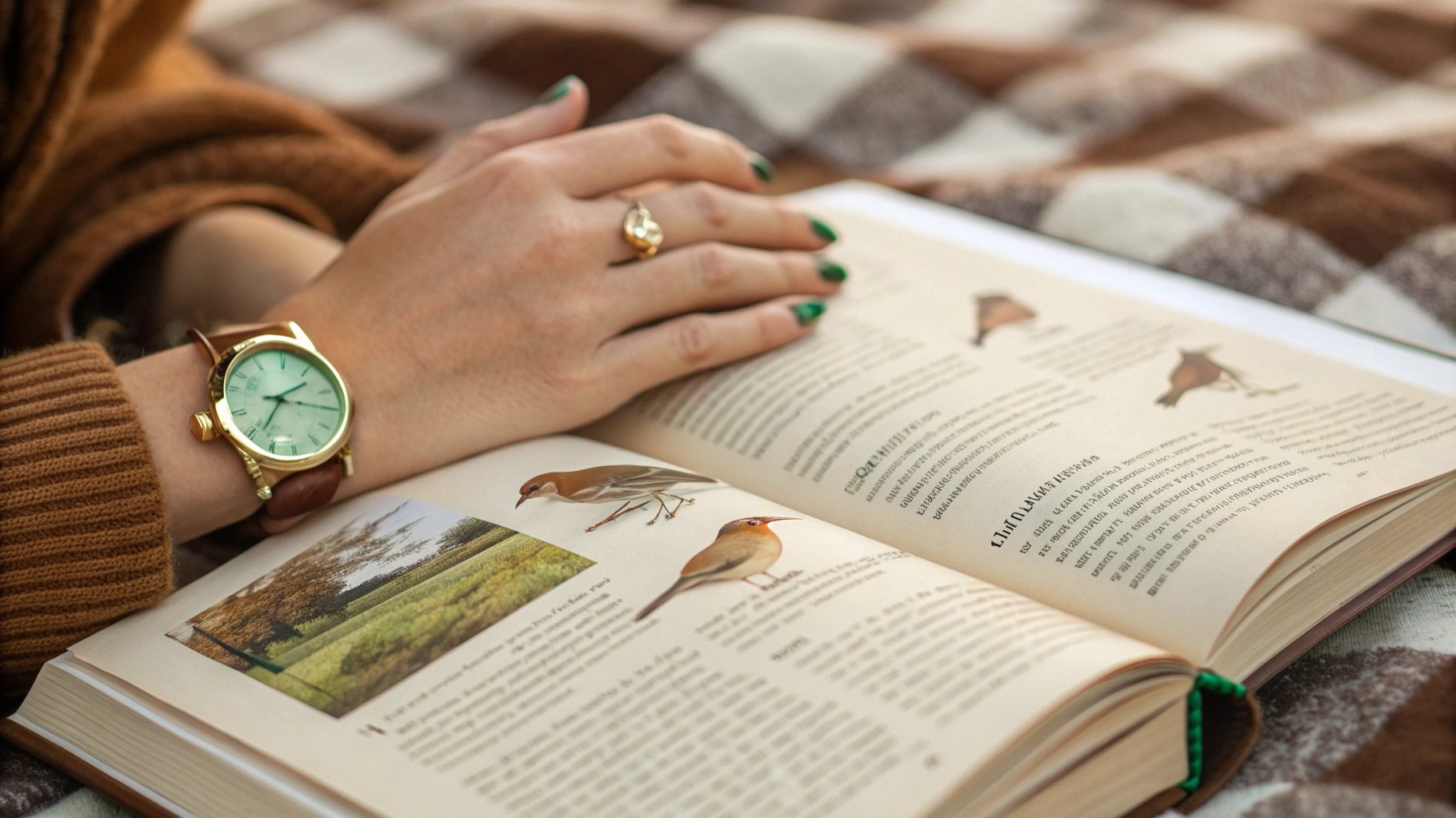
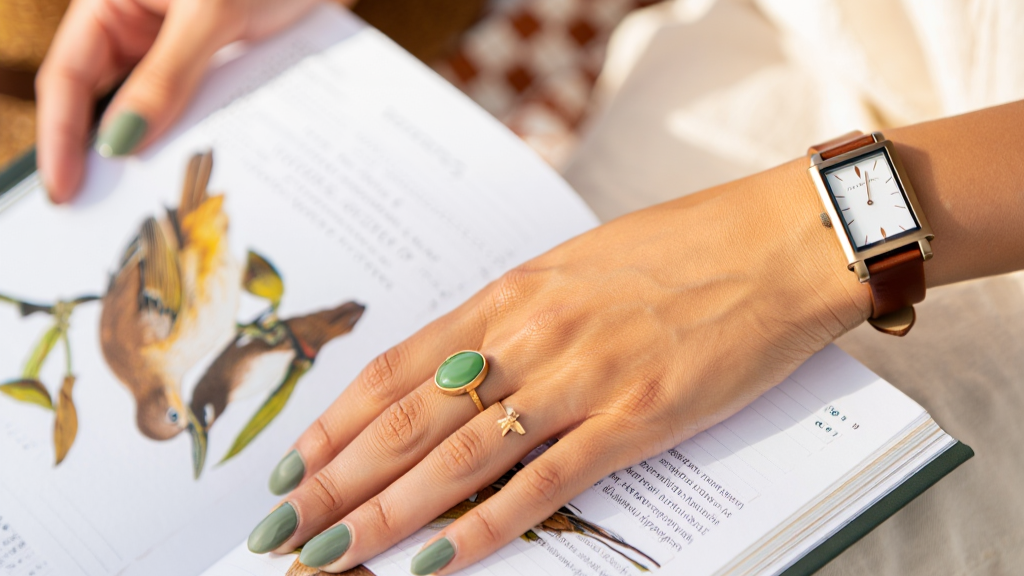
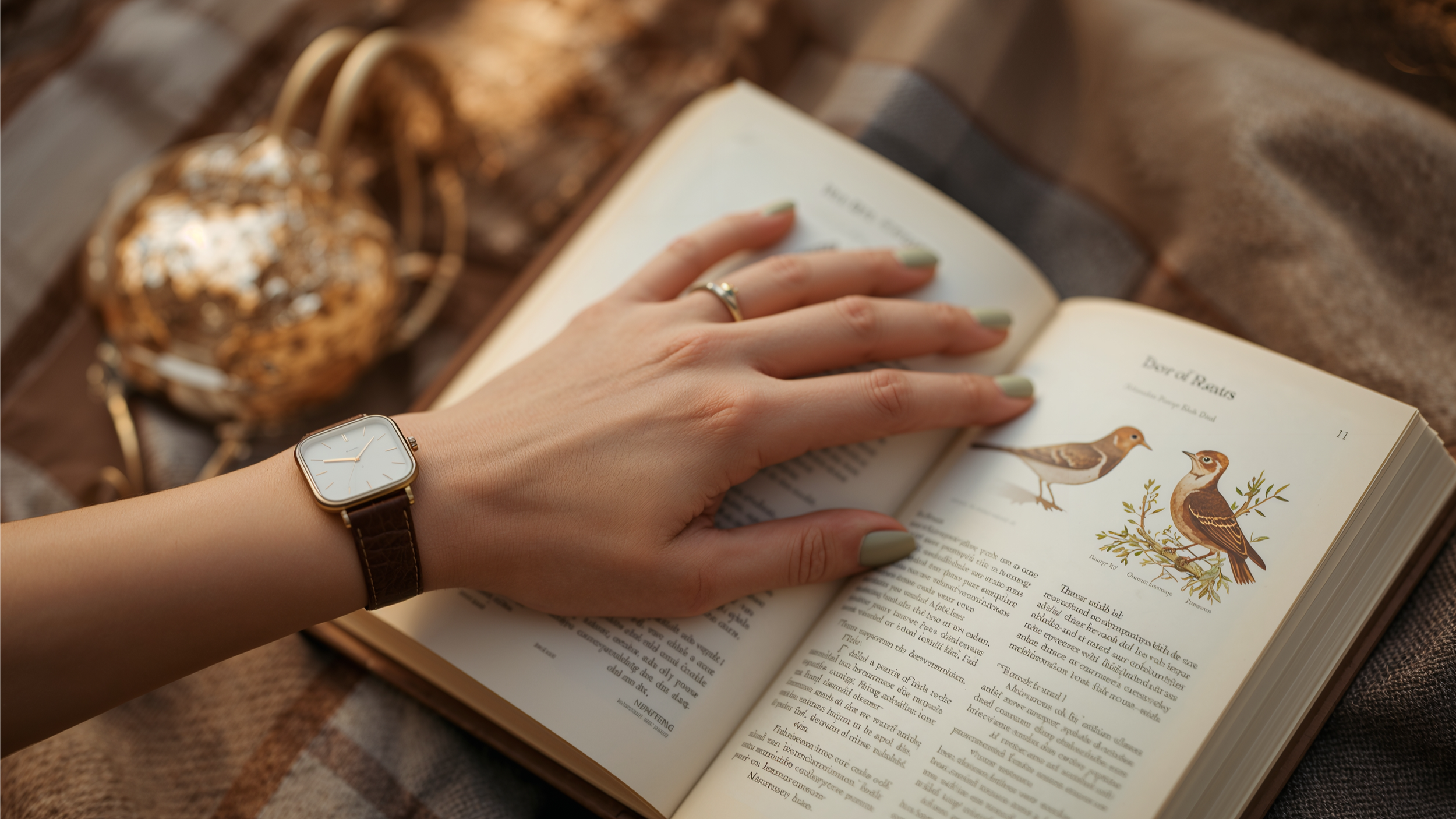
Prompt: A warm, soft-focus close-up shot of a person's hands resting on an open book, likely a field guide or encyclopedia. The person's left hand is adorned with a delicate, rectangular-faced watch with a brown leather strap and a thin gold ring with a green stone on their ring finger. Their nails are painted a light, muted sage green. The open book features an illustrated page with images of small brown birds and text. A blurry background of a brown and white checkered picnic blanket or piece of clothing is visible. The lighting is natural and gentle, creating a cozy, relaxed mood.
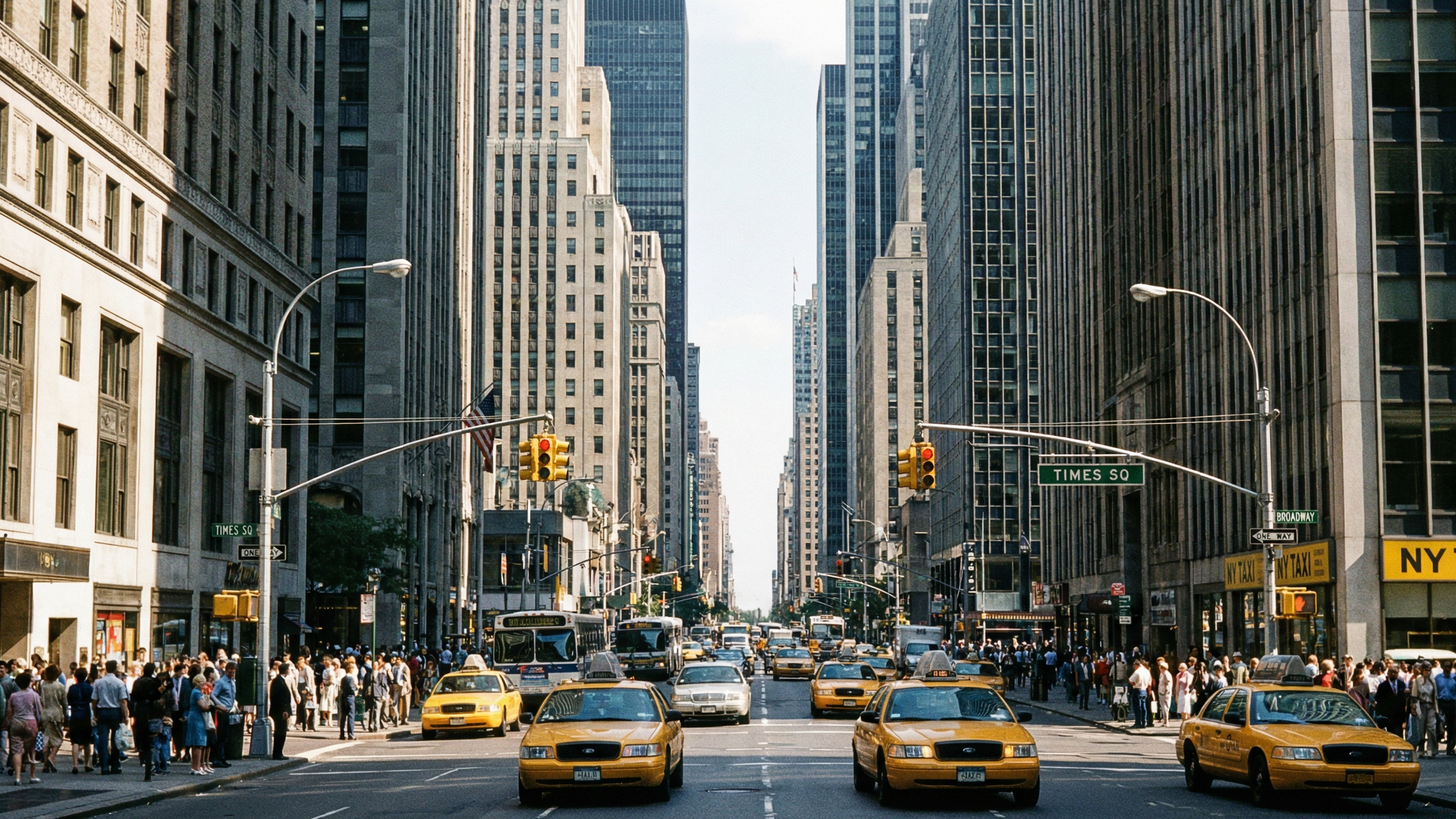
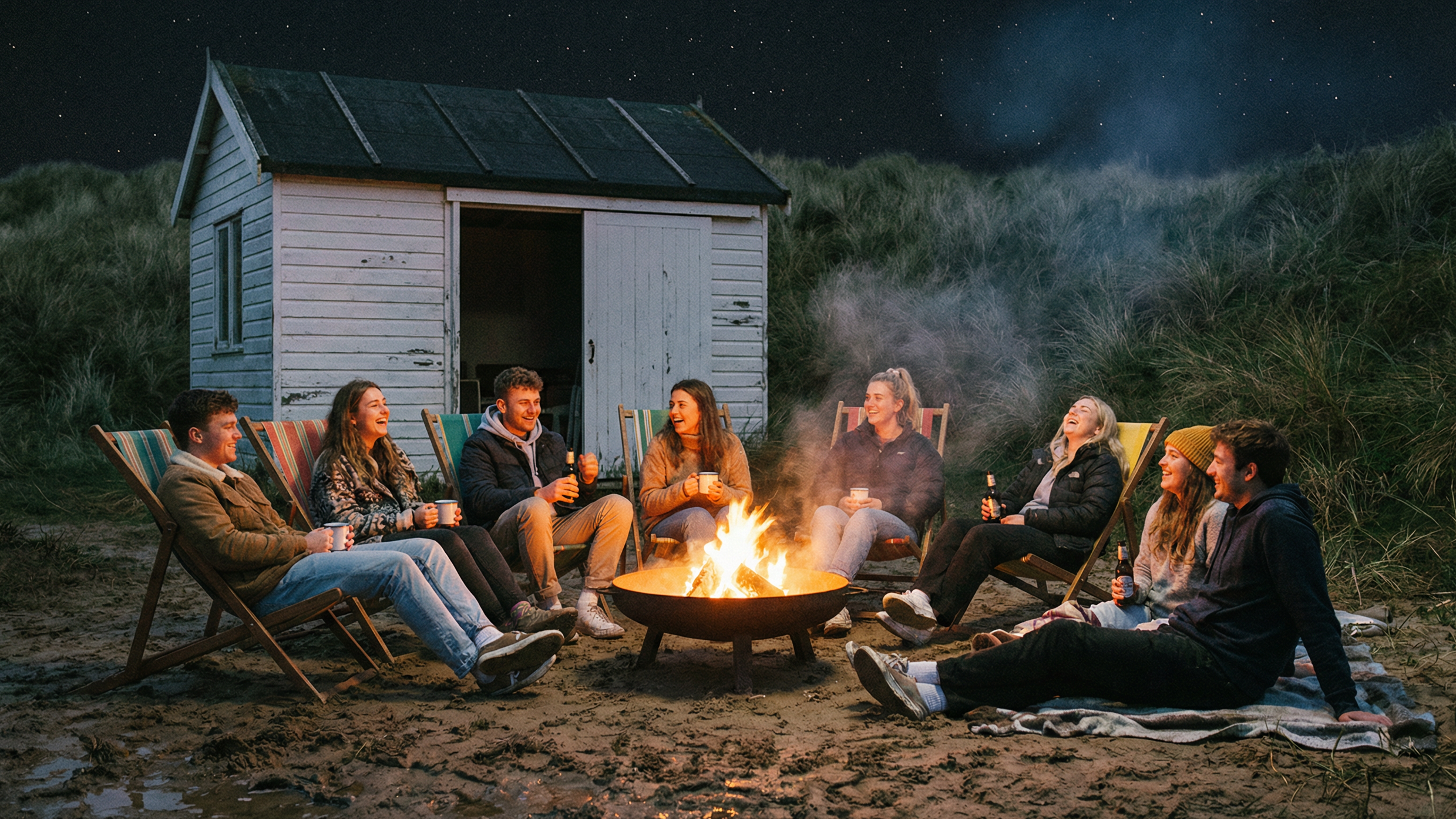
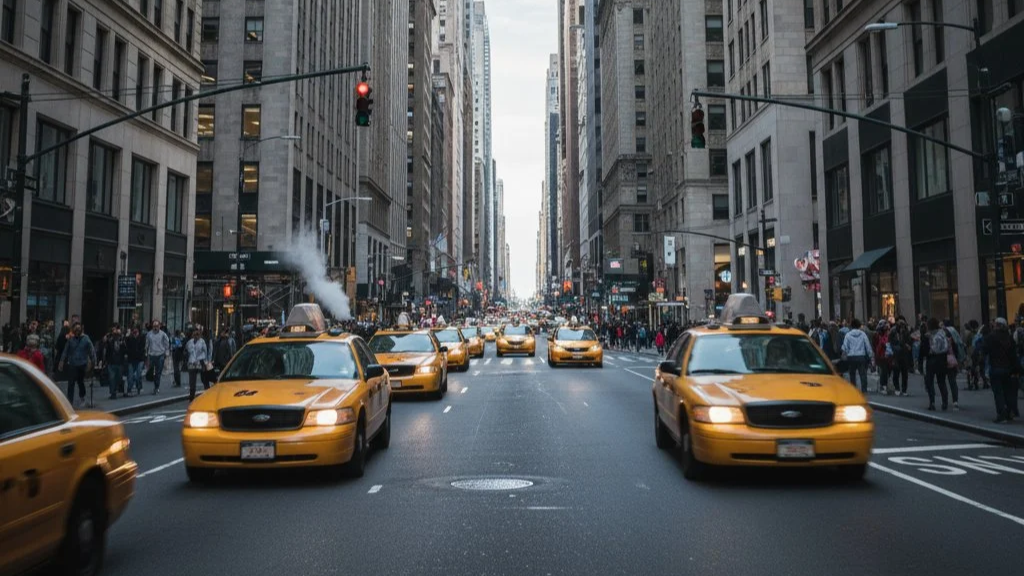
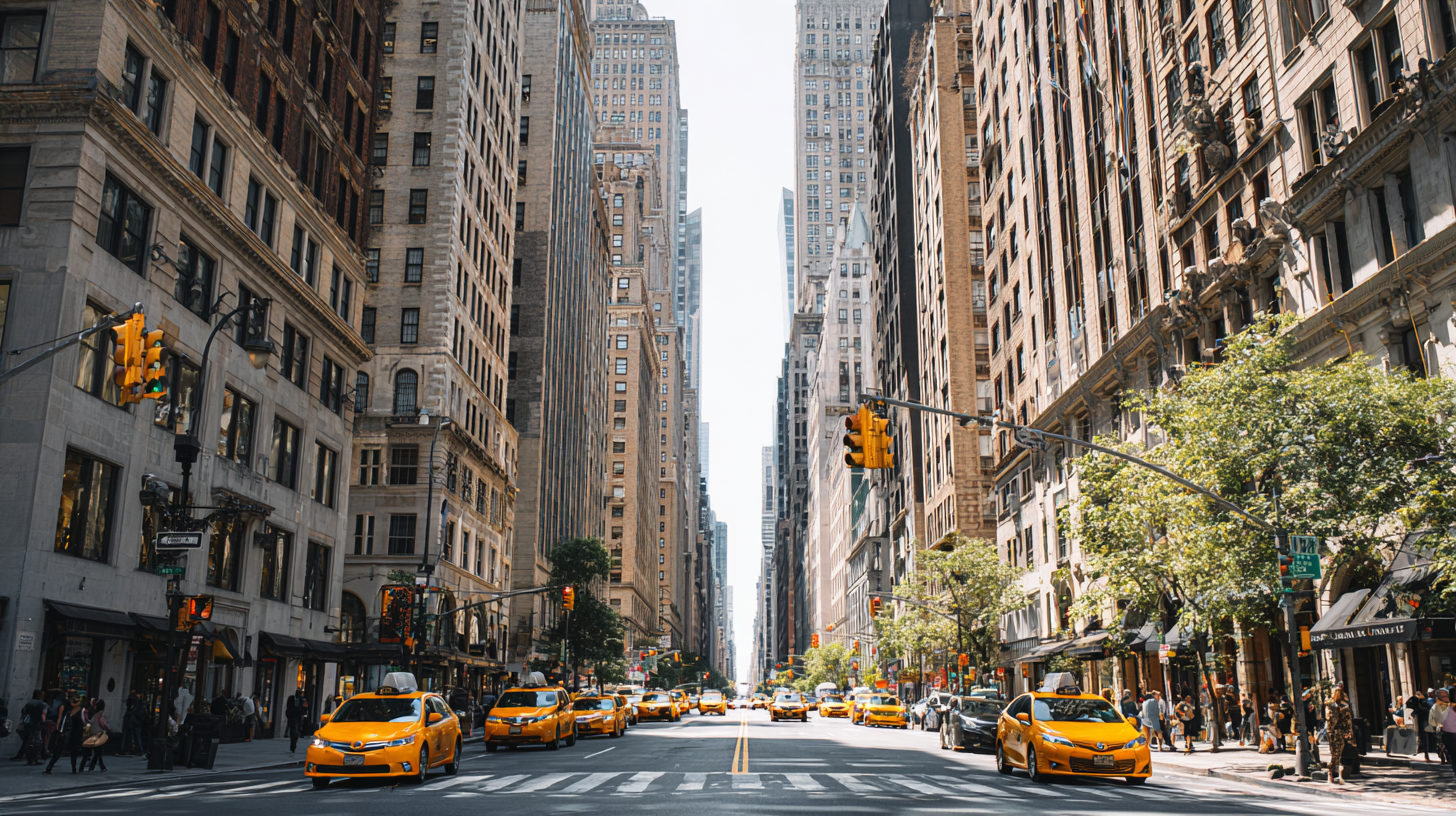
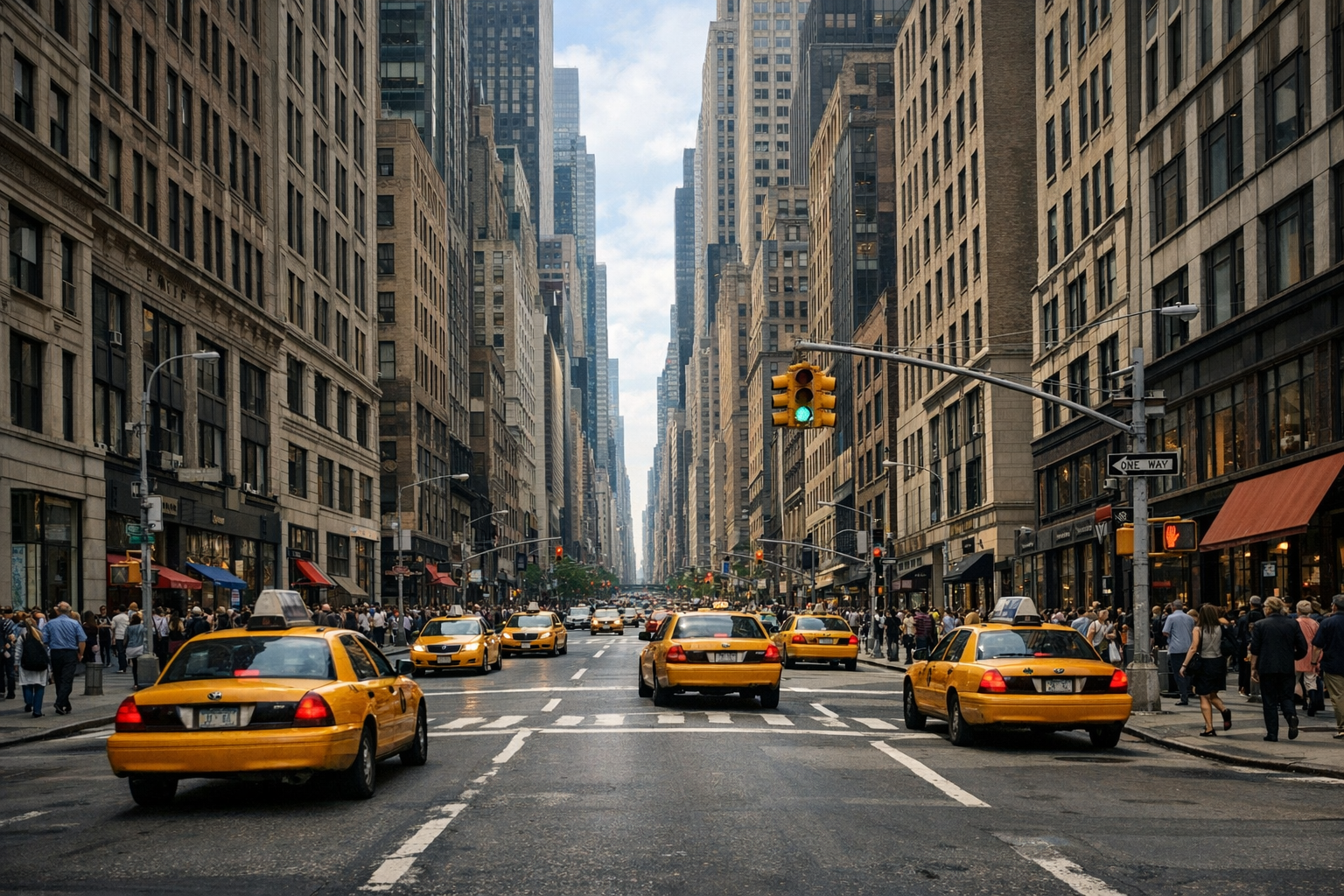
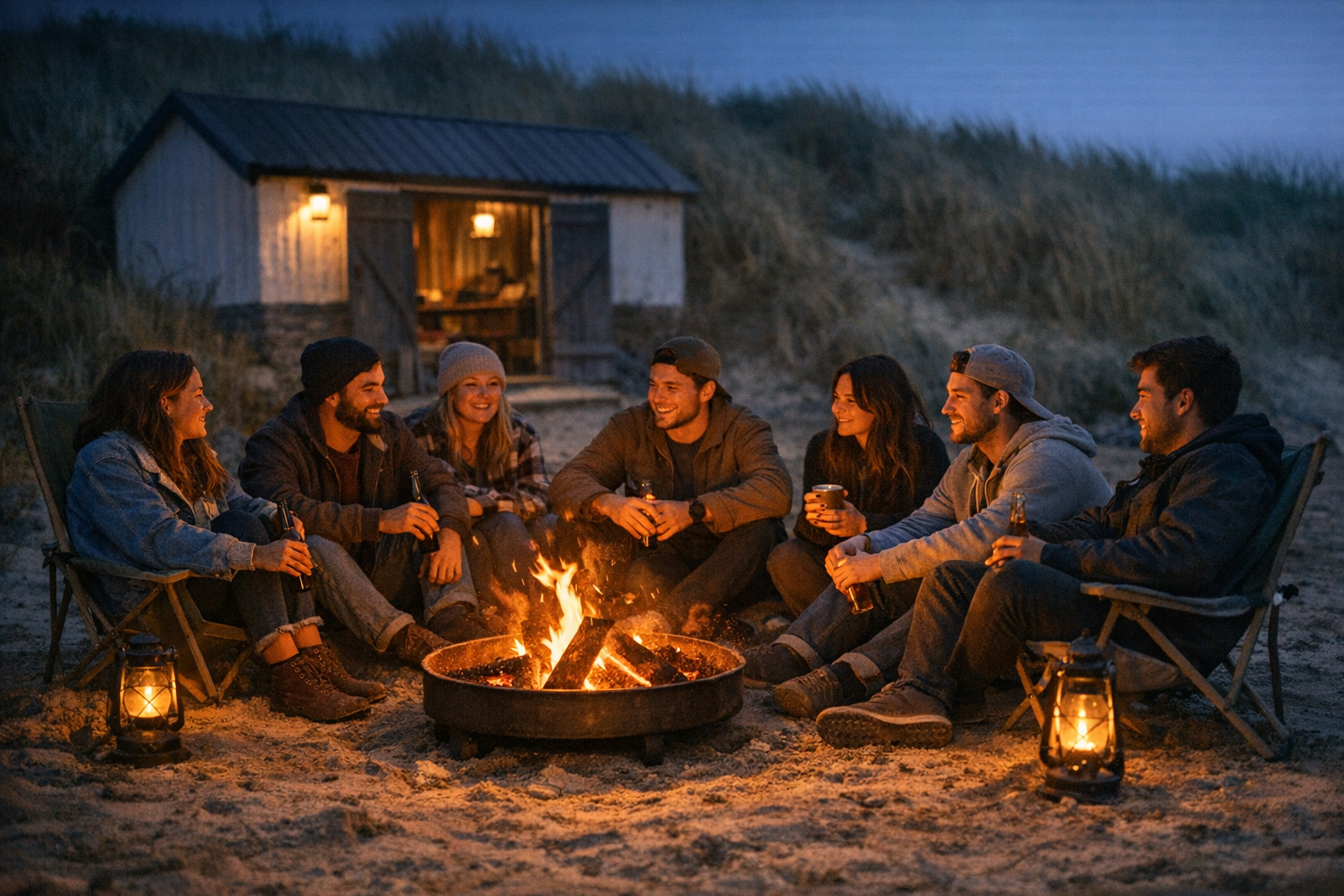
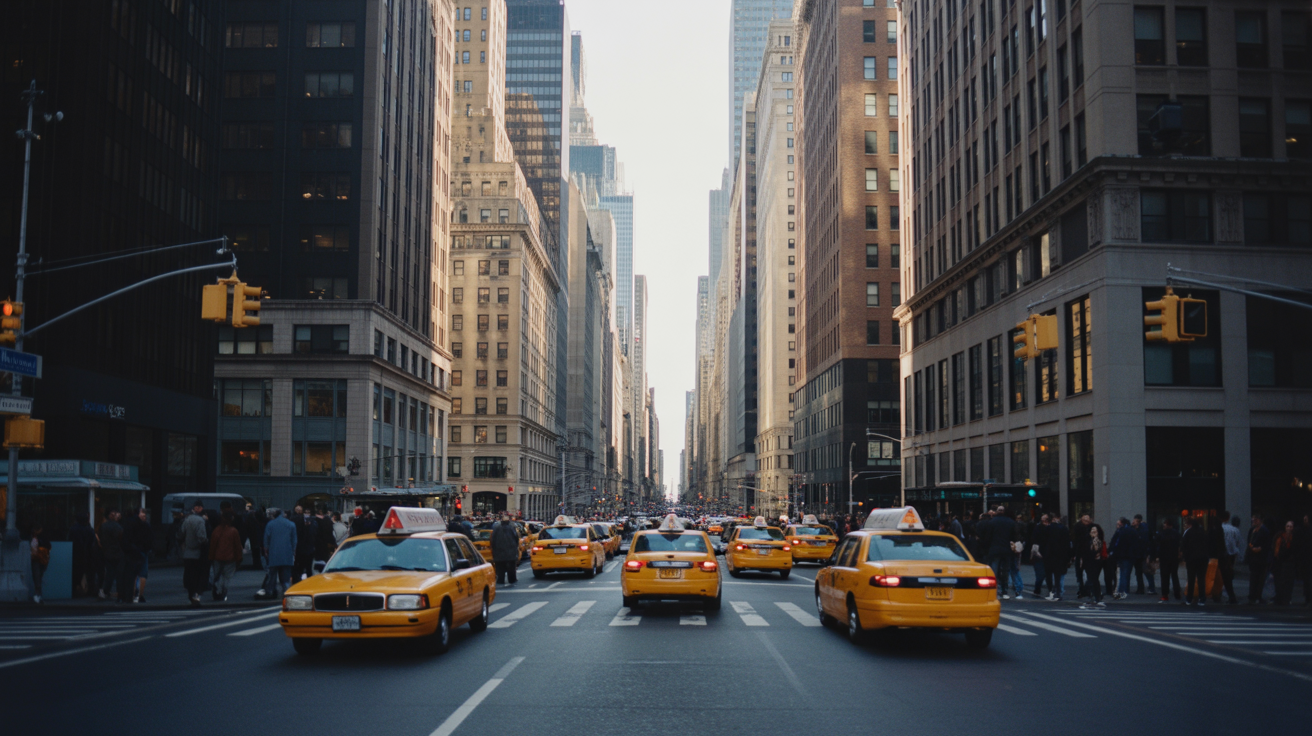
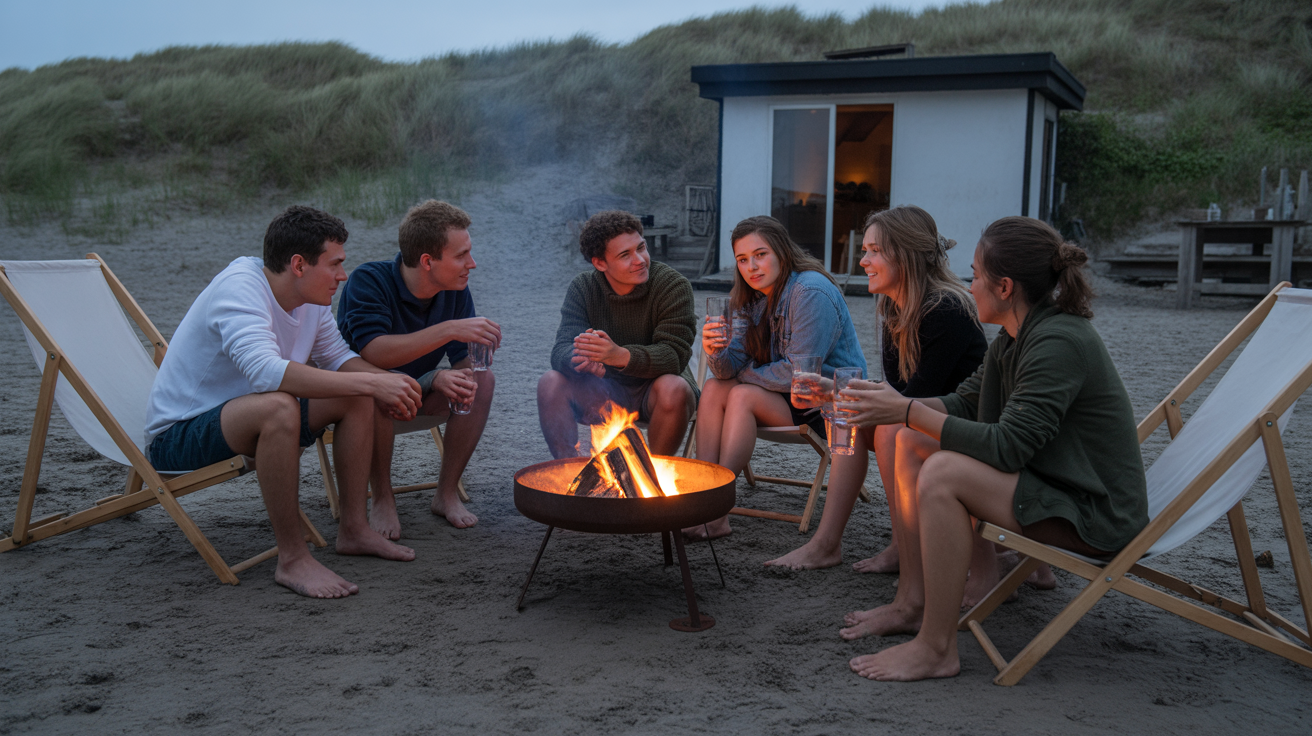
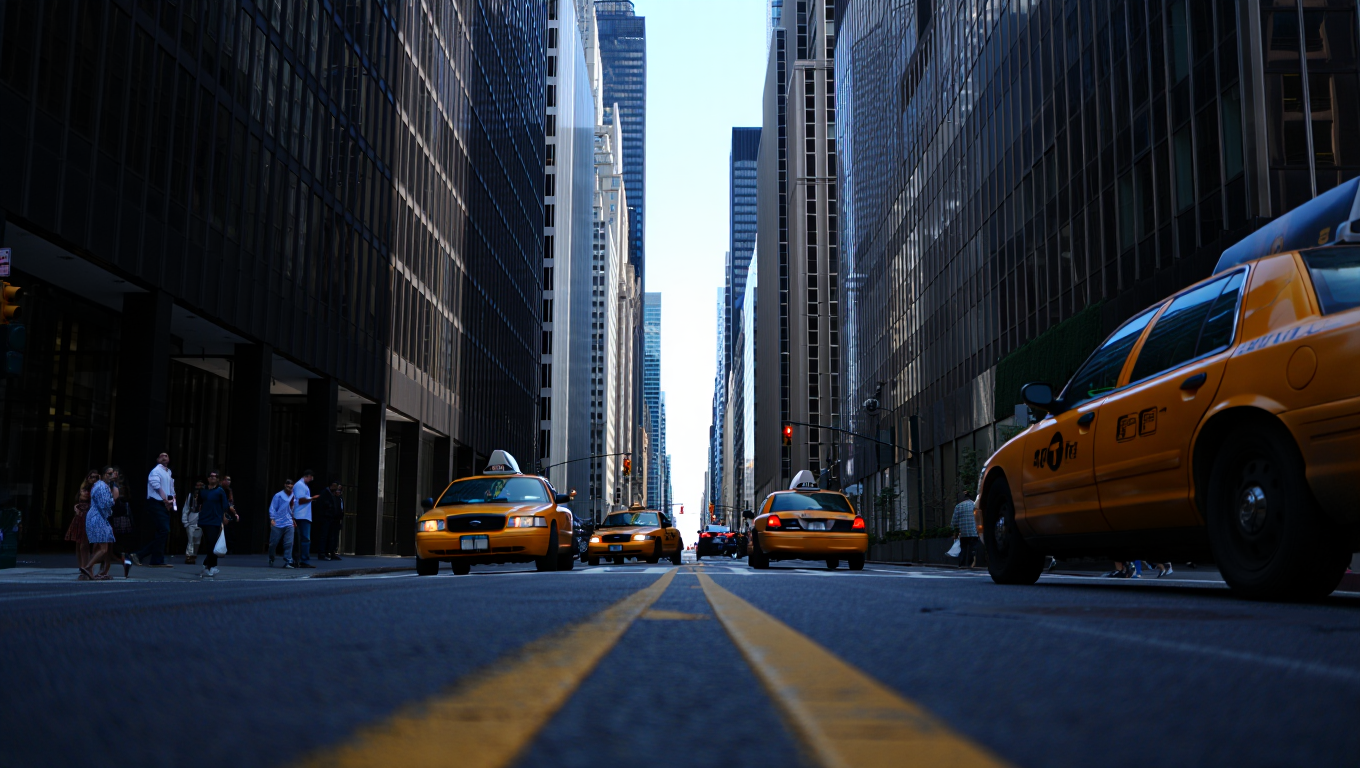
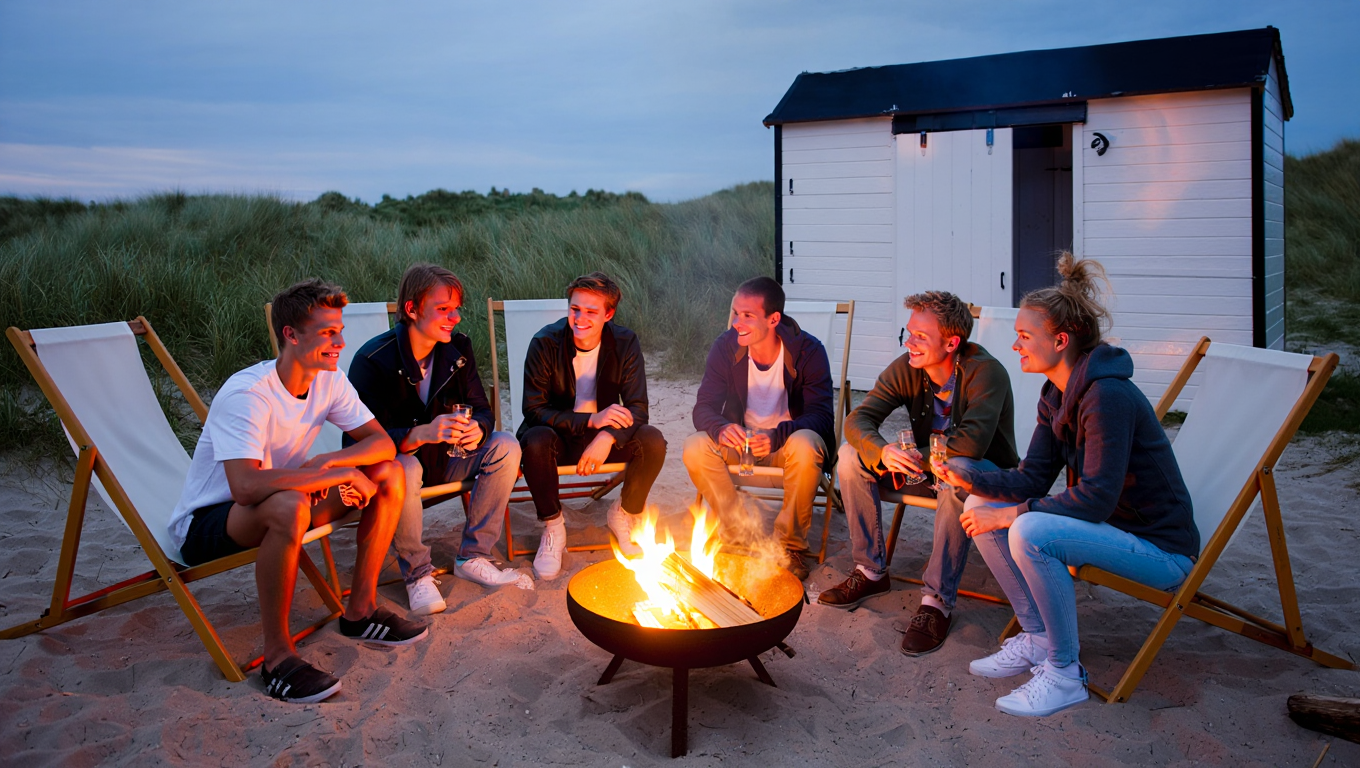
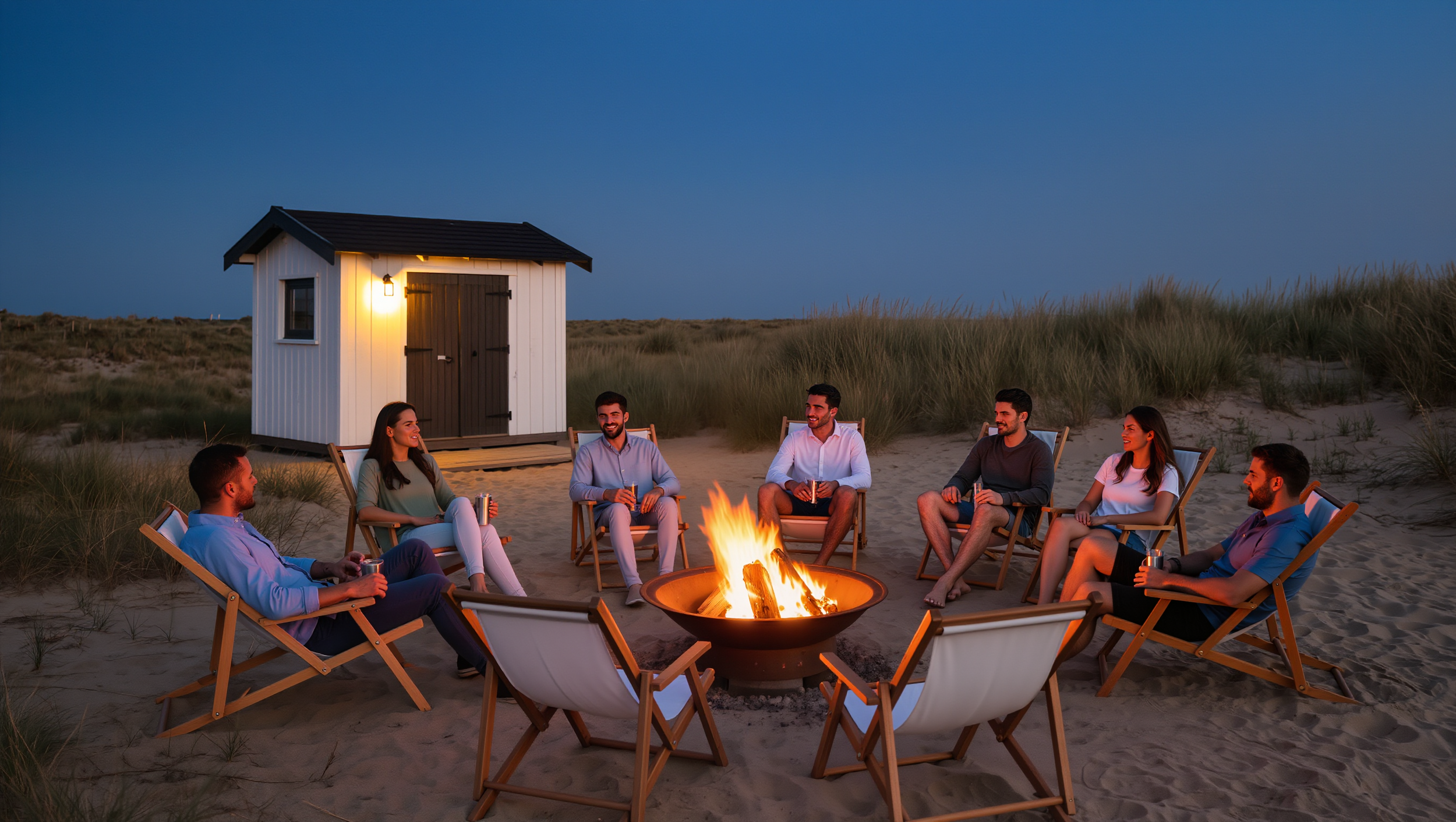
There are a lot of common areas where AI image generators struggle, for instance, all of the models on this list did not do well generating crowds or groups of people.
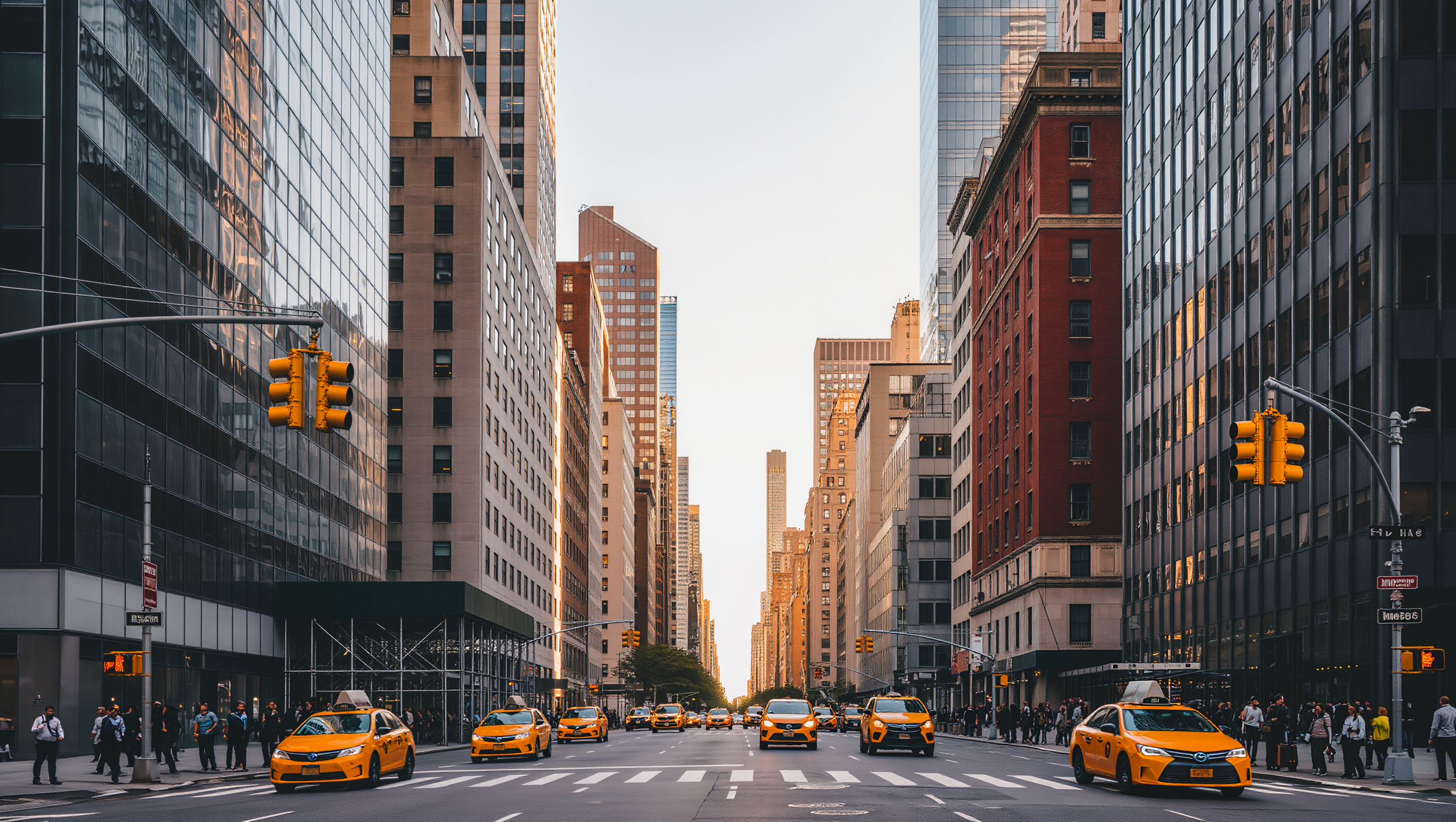
Nearly every model struggled with visual fidelity when generating the wide shot of the busy urban street.
We are at a point where you shouldn’t need to sacrifice realism and prompt adherence for the model you are using. If those things are struggling with the model you are using, the chances are that there is another model for about the same price that is better.
Learn AI Image Workflows
If you haven’t already, check out our AI filmmaking course, where we teach some of our favorite workflows for getting the most realistic AI images. You can join the waitlist for the course by filling out the course below.
Thanks for reading! If you want to check out some more of our tools tests, you can see them over on our AI tools page here.
