
All of the AI Tool Updates You Missed | AI Film News
In this article and video tutorial, we’ll dive into the latest 3D and 4D AI tools, along with a few other pieces of AI Film News.
This week, we saw major advances in AI tools that can reconstruct and understand entire scenes, alongside updates to image generation, visual effects, and world models. It's another exciting week for AI filmmakers.
There's a lot happening in AI this week. Before we dive in, here are the highlights:
InSpatio turns a single video into a 4D Gaussian splat
Adobe unveils Project Wonder
Midjourney releases version 8.2
LTX launches new open-source VFX tools
NVIDIA introduces Cosmos 3 Super
There is a ton more, so let’s dive in!
All of the AI Tool Updates You Missed | AI Film News
Below we breakdown the top new AI tools and other AI Film news from the past week.
All of the AI Tool Updates You Missed | AI Film News
Here’s a list of all the AI news from the past few weeks.
1. InSpatio Creates 4D Gaussian Splats From a Single Video
InSpatio is a new 4D Gaussian splatting tool that can transform a single video clip into an interactive scene you can move around inside.
Unlike traditional 3D captures, which freeze a scene at a single moment, 4D Gaussian splats capture a scene through time, letting you move the camera while the performance continues to play.
In the demos, viewers could orbit around the subjects and generate new camera angles from footage captured with just a single video.
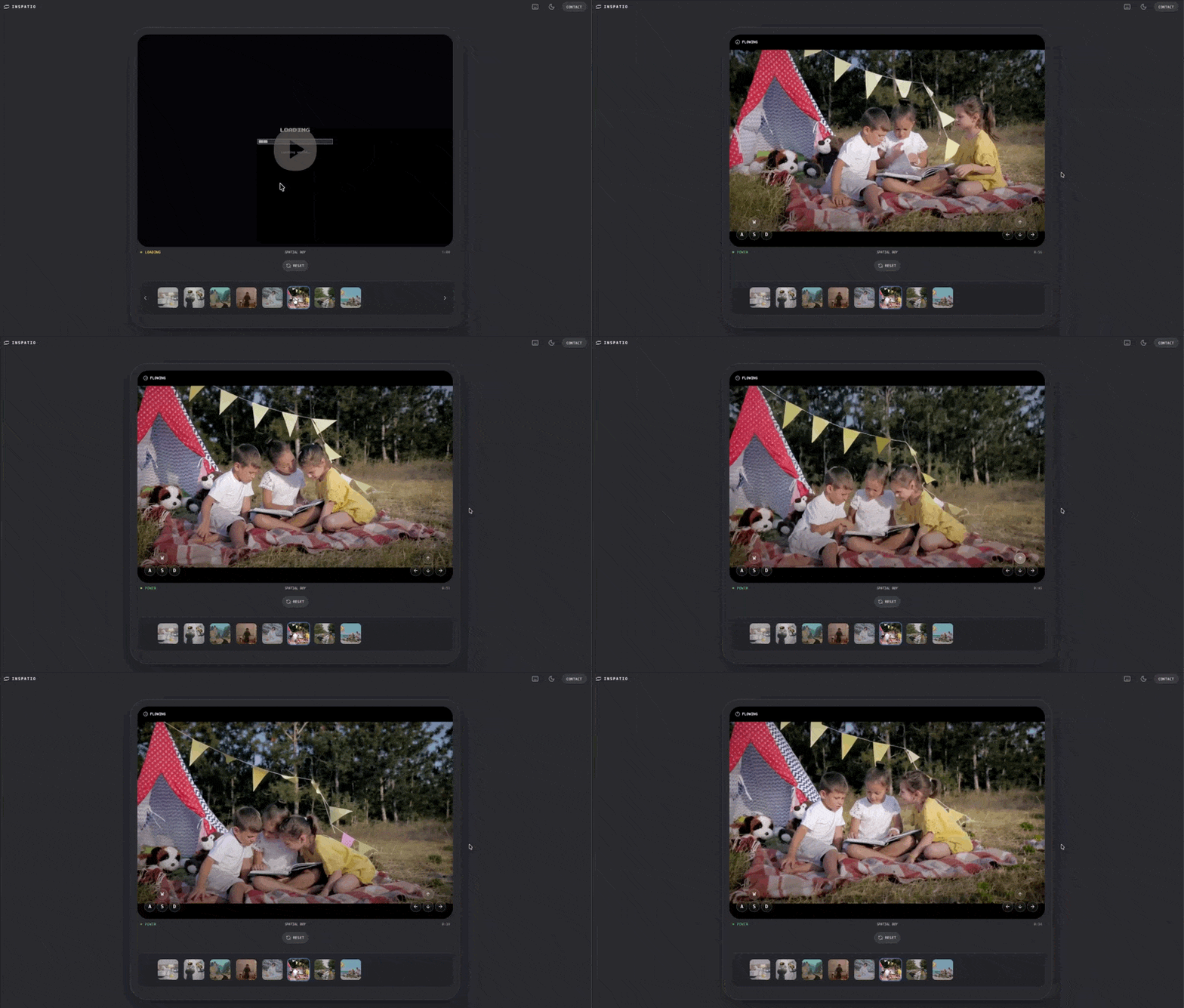
Until recently, creating additional camera angles typically required multiple cameras, multiple takes, or specialized capture systems like 4DV, which we covered last week.
What's remarkable is that InSpatio achieves a similar effect from a single video clip, without any special camera setup.
The results aren't fully production-ready yet, but if this technology continues to improve, it could become a major part of virtual production, visual effects, and post-production.
2. Adobe Unveils Project Wonder, a New AI Tool for Navigable 3D Worlds
Similar to InSpatio, Adobe unveiled Project Wonder, a new research project that turns a single image or video into a navigable 3D environment.
Instead of being stuck with the original camera angle, creators can move through the generated scene and create entirely new shots from different perspectives.
The AI fills in the parts of the environment that weren't visible in the original image or video, making it feel like the entire scene exists in 3D.
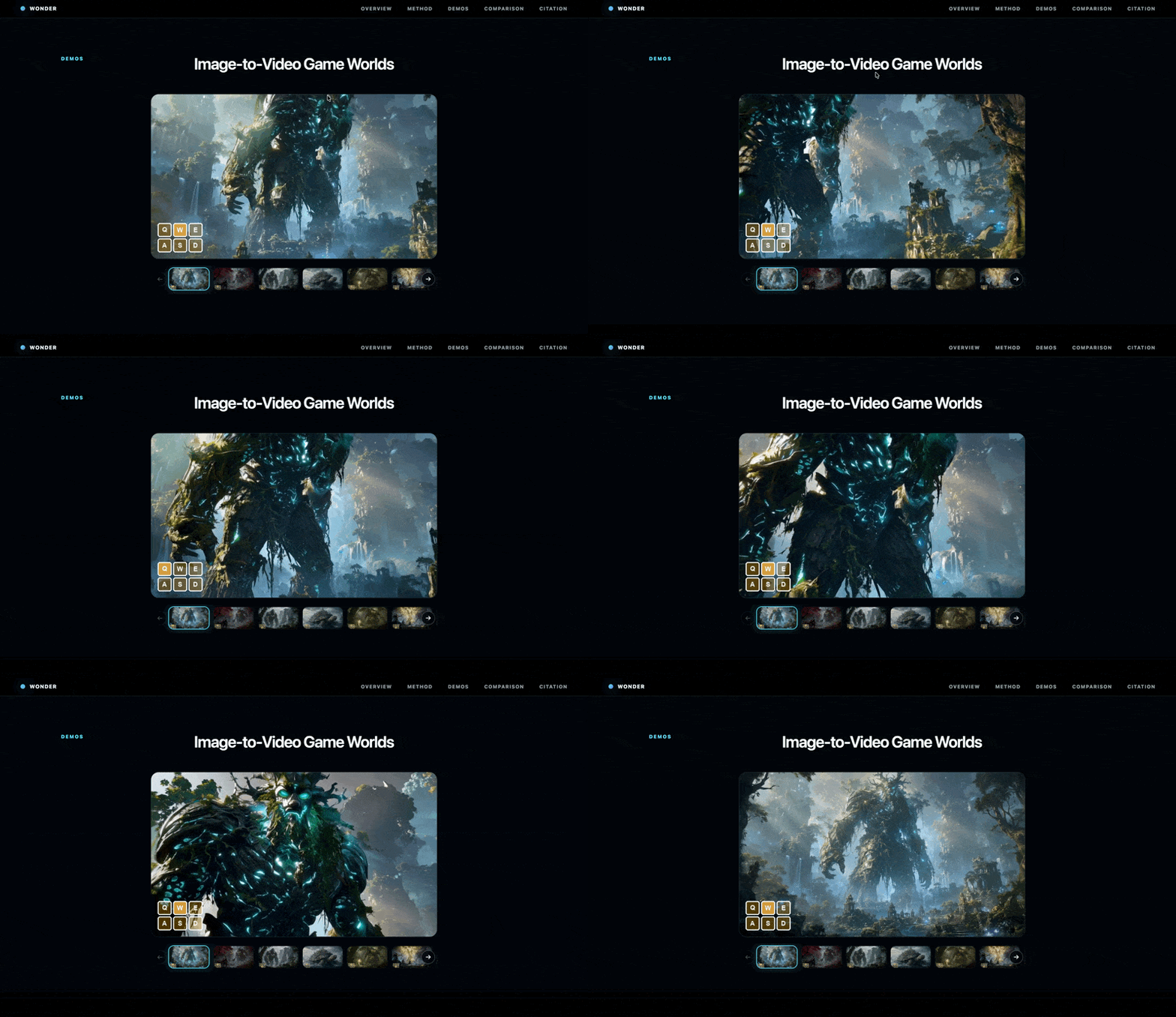
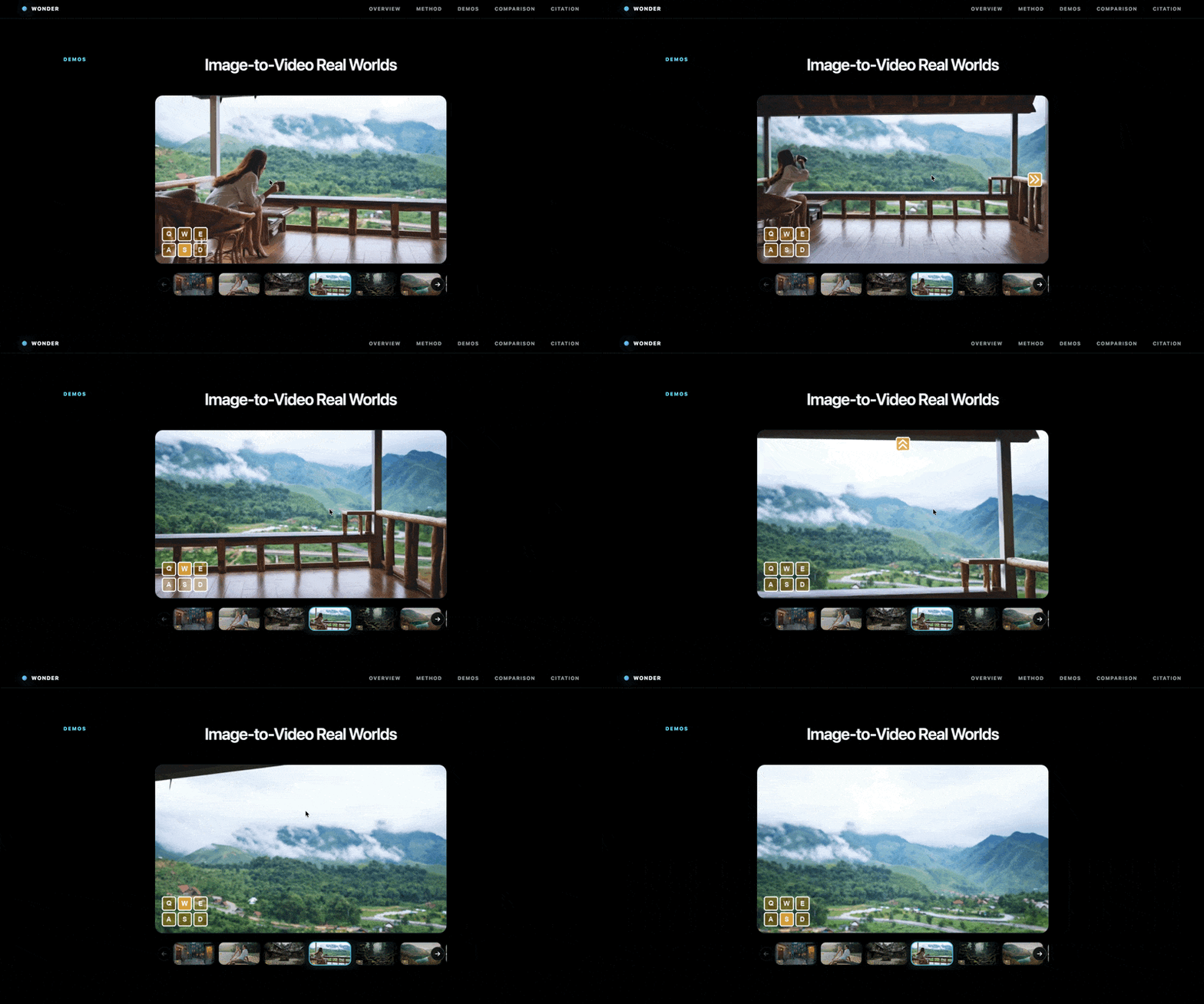
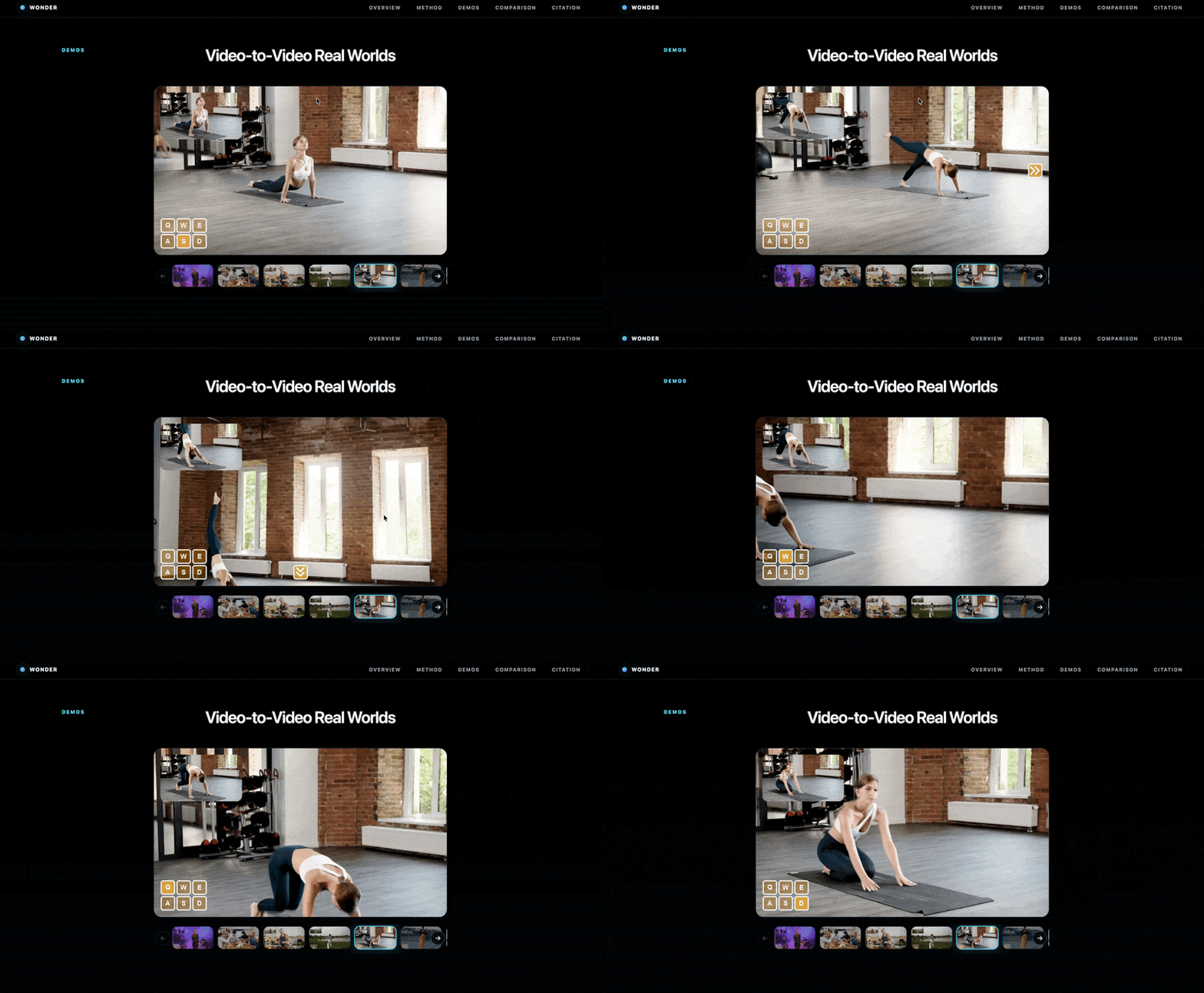
The results are still experimental, but it is easy to imagine how this could change filmmaking.
The fact that so many companies are now exploring both 3D and 4D world models suggests this could become a major part of future creative workflows.
3. NVIDIA Cosmos 3 Super Shows Where AI Is Headed
NVIDIA introduced Cosmos 3 Super, an open world model designed to understand and generate multiple types of information through a single AI system.
Instead of working with just one format like text, images, or video, Cosmos can process images, documents, video, audio, and even movement data from robots or humans.
That makes Cosmos much more than another video generation model.
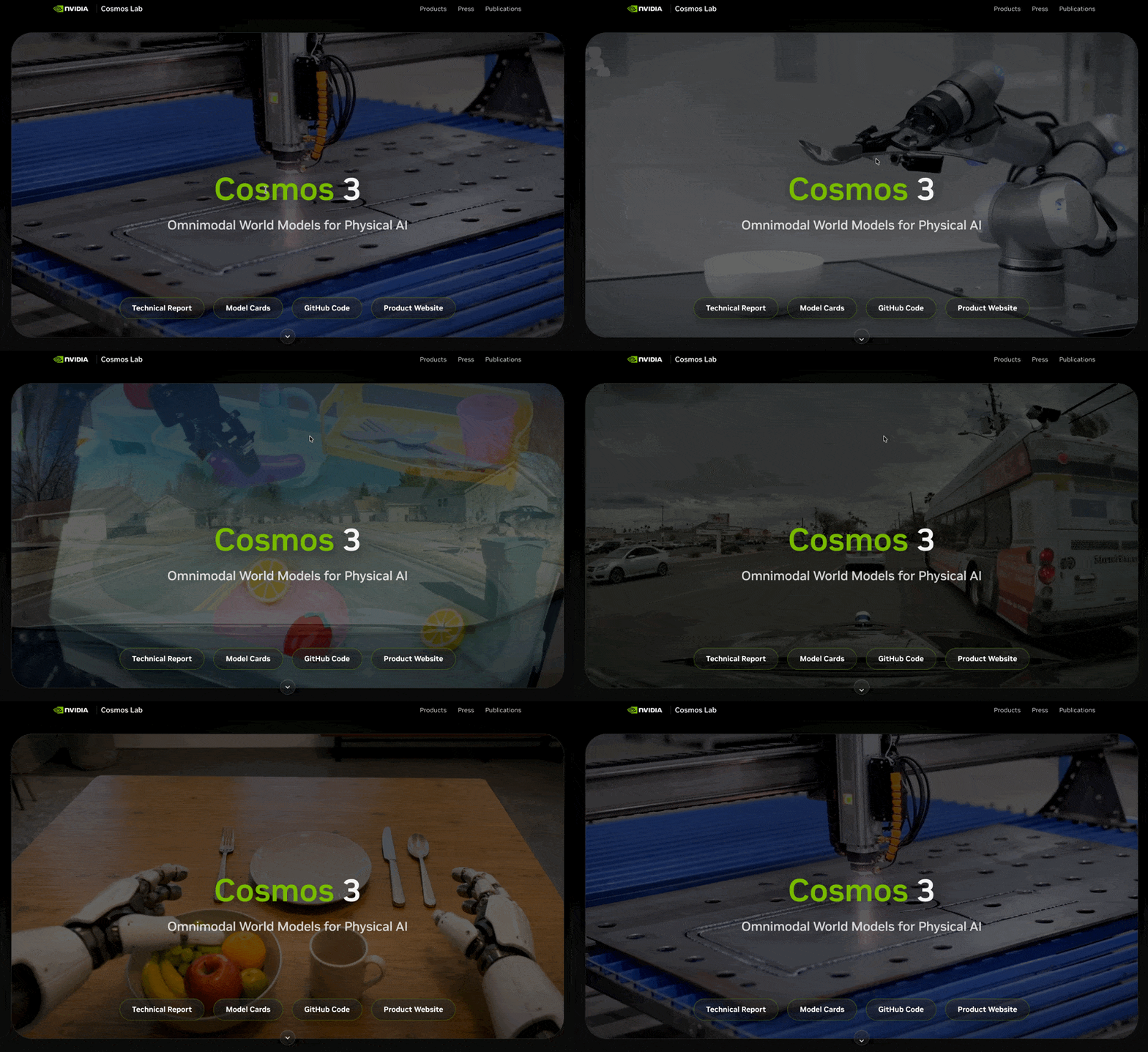
Today, creators rely on separate tools for writing, image generation, video generation, editing, visual effects, relighting, and more.
World models point toward a future where a single AI system understands an entire scene and can handle many of those tasks from one interface.
If that future becomes reality, today's collection of specialized AI tools could eventually give way to a single creative system capable of handling almost every step of the filmmaking process.
That's what makes Cosmos one of the most exciting AI announcements we've seen this year.
4. Midjourney 8.2 Raises the Bar for AI Images
Midjourney has released version 8.2, bringing improvements to image quality, personalization, and text rendering.
According to the Midjourney team, the new model produces bolder, more sophisticated images while dramatically reducing low-quality generations.
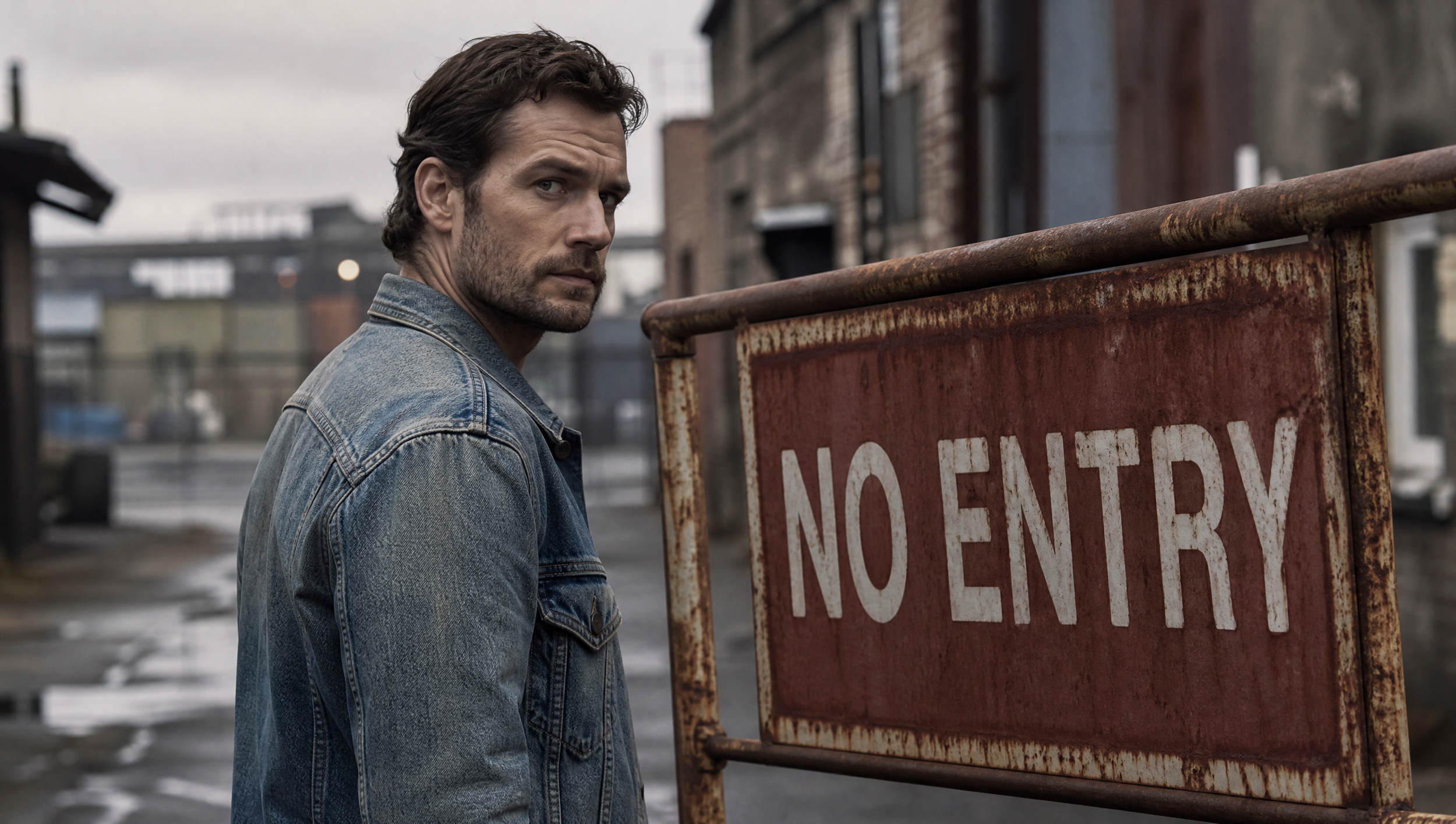
To see how much had changed, we compared Midjourney 8.2 against previous Midjourney versions, as well as GPT Image 2 and Reve 2.1, using a variety of prompts ranging from typography to cinematic photography.
Let's start by looking at how Midjourney has evolved.
The biggest improvement we noticed is in text rendering.
Version 8.2 does a much better job integrating typography naturally into the scene while maintaining the cinematic lighting and composition Midjourney is known for.

Midjourney 8.2
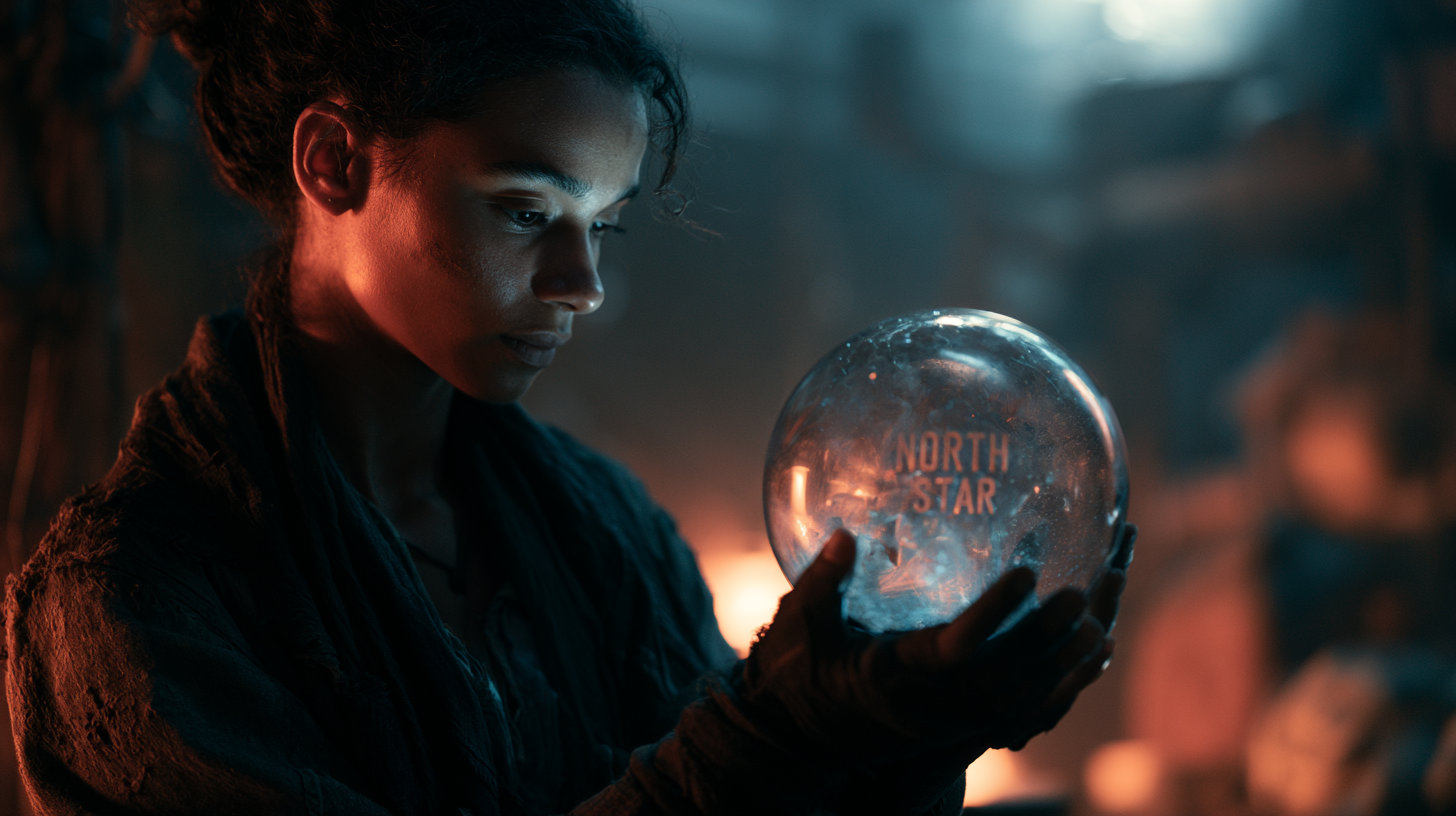
Midjourney 8.1
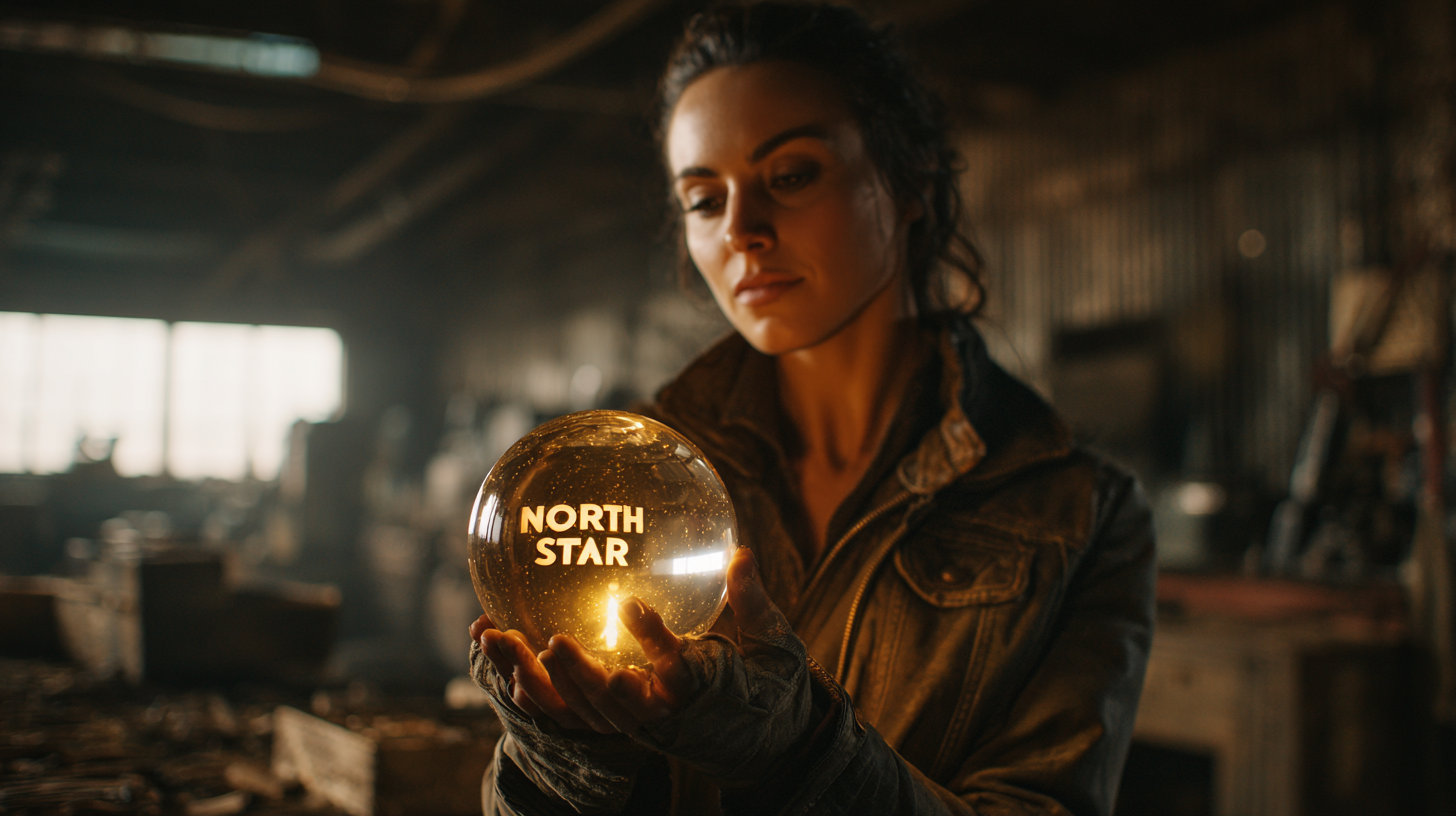
Midjourney 7
The improvements aren't limited to text. Compared to earlier versions, Midjourney 8.2 delivers more realistic lighting and a noticeable boost in photorealism.

Midjourney 8.2
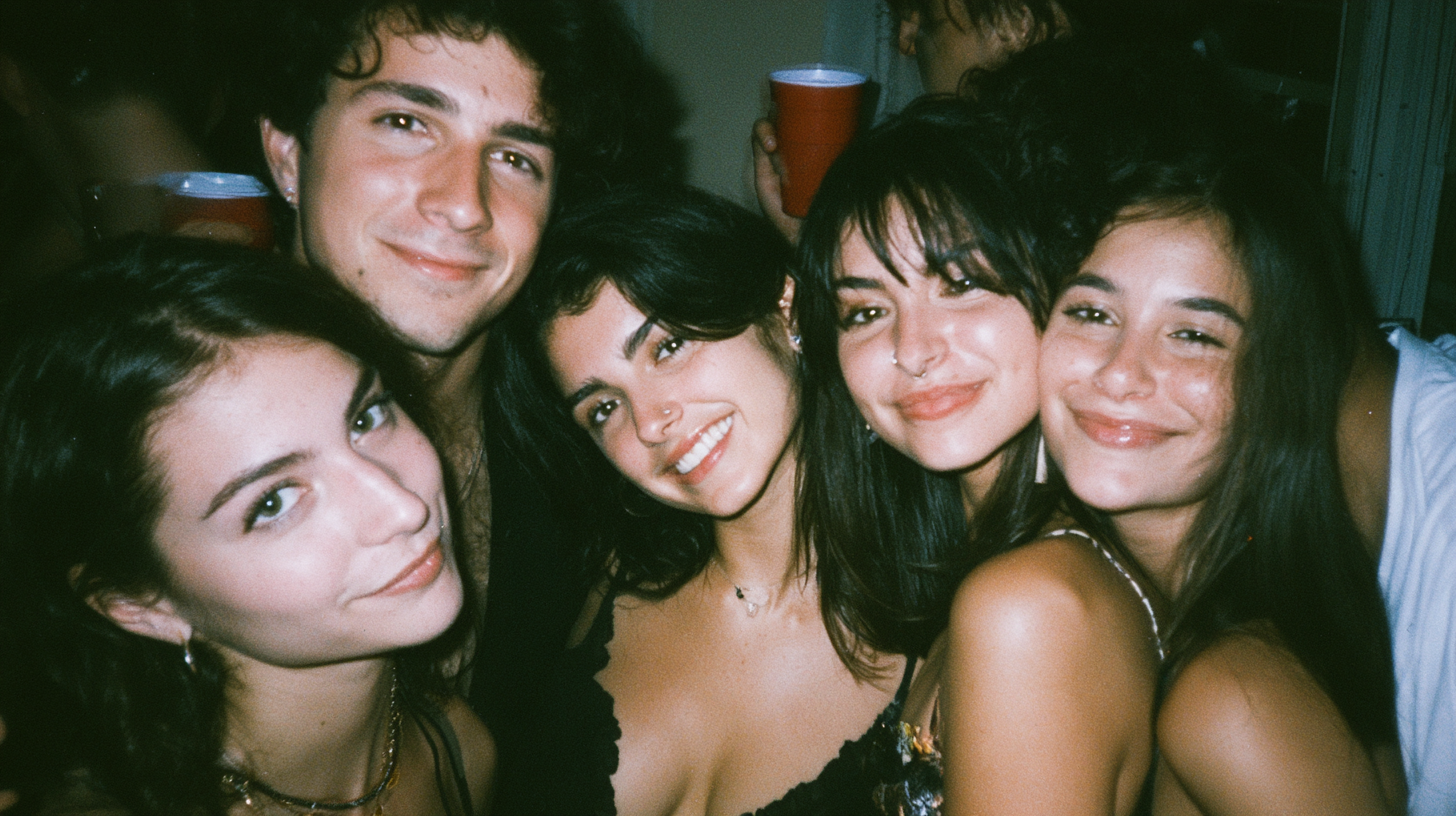
Midjourney 8.1

Midjourney 7
Next, we wanted to see how Midjourney stacks up against some of the best AI image generators available today.

Midjourney 8.2
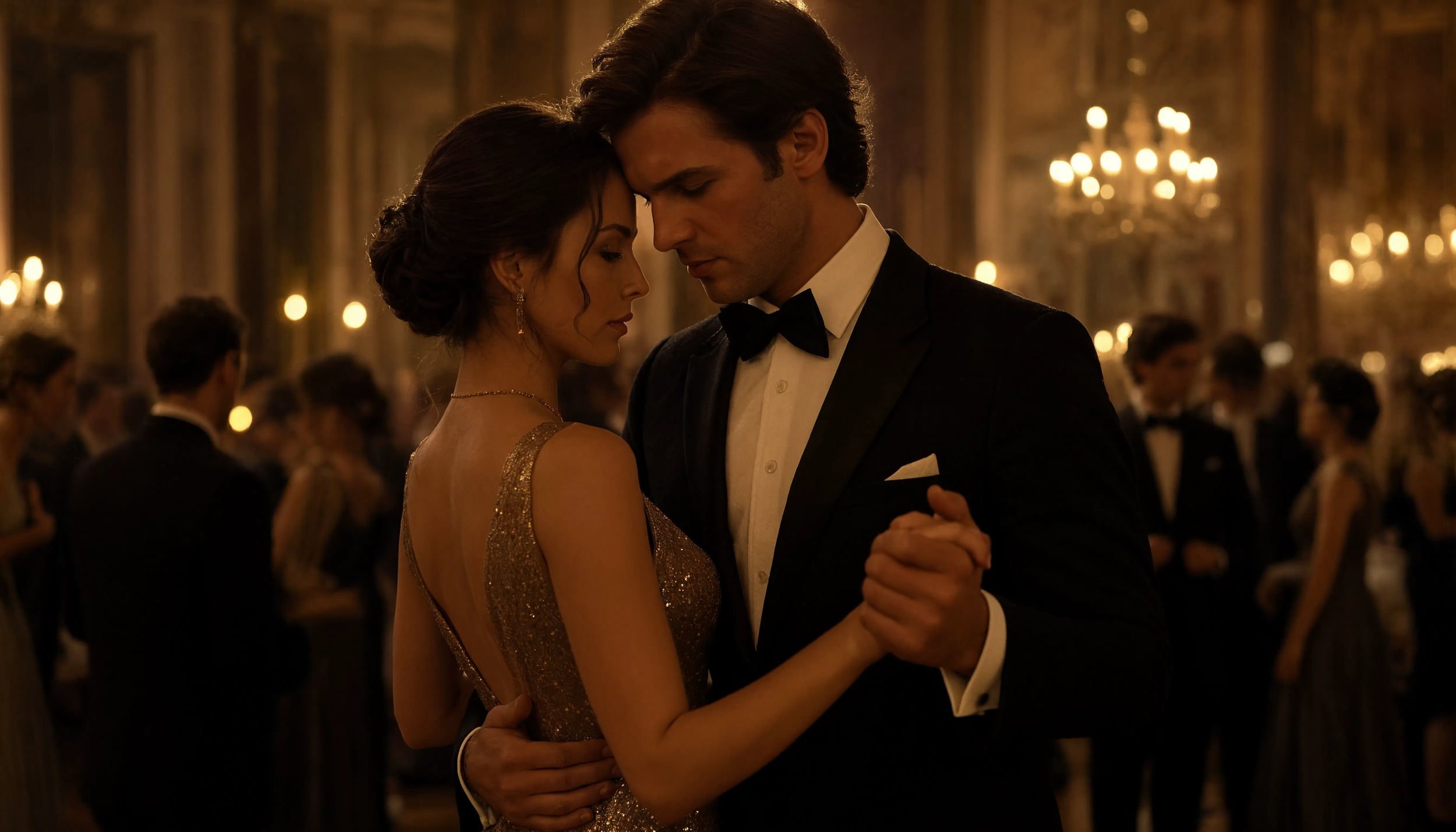
Reve 2.1
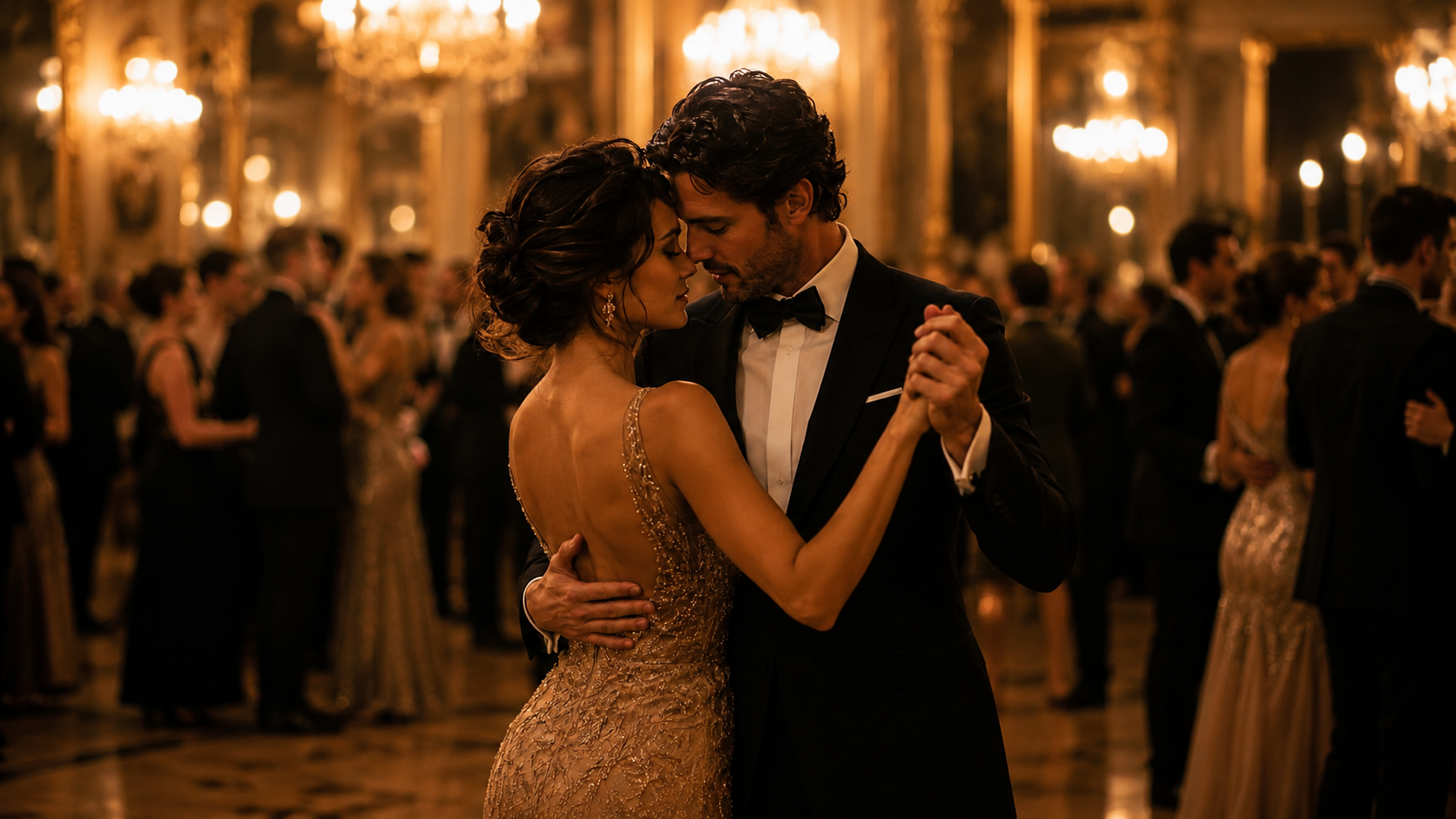
GPT Image 2.0

Midjourney 8.2
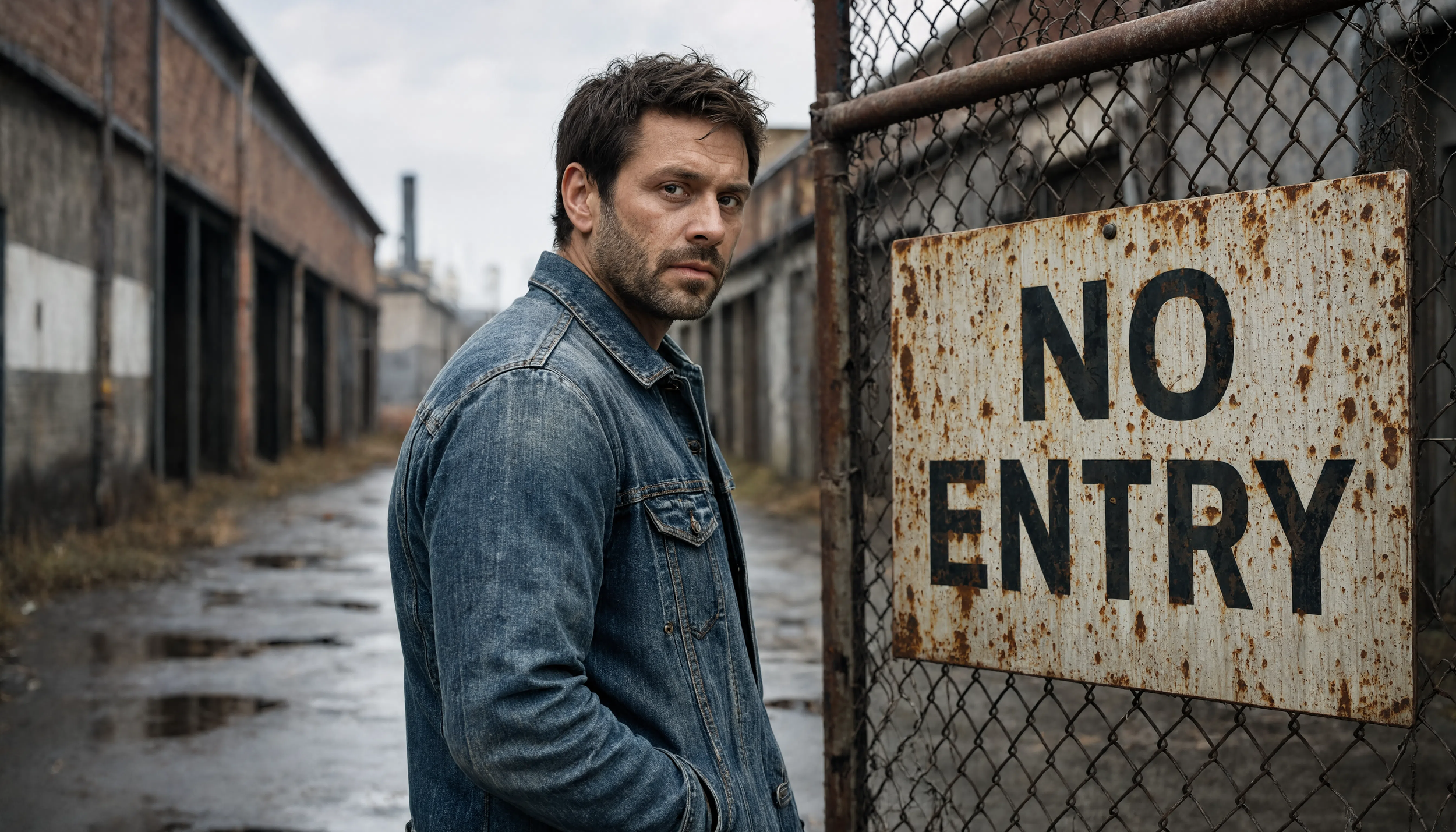
Reve 2.1
GPT Image 2.0
Each model had its strengths. GPT Image 2 excelled at prompt adherence and character consistency, while Reve 2.1 impressed with photorealism and text rendering.
Midjourney, however, remained our favorite for cinematic imagery. Its lighting, color grading, and visual style consistently produced images that felt like movie frames.
For cinematic concept art, it's still one of our go-to AI image generators.
5. LTX Introduces New Open-Source VFX Tools
LTX released two new open-source tools designed for visual effects workflows: a clean plate generator that removes people from footage and a video relighting tool that changes the lighting of existing clips.
We tested both features against Seedance 2.0 Omni.
Let’s look at the results for the clean plate tool first.
Original Footage
LTX 2.3 Clean Plate
Seedance 2.0 Omni
In a test removing two people from a living room scene, both tools generated usable clean plates, but Seedance produced the stronger result.
Original Footage
LTX 2.3 Clean Plate
Seedance 2.0 Omni
In a test removing a jogger from the scene, Seedance handled the motion blur and camera shake more naturally, while LTX's lower resolution made the result less convincing.
Next, let’s take a look at the results for the relight feature.
Original Footage
LTX 2.3 Relight LoRA
Seedance 2.0 Omni
In a relighting test with a woman wearing a flowing scarf, both tools changed the lighting successfully, but Seedance produced the higher-quality result while LTX's lower resolution limited its realism.
Original Footage
LTX 2.3 Relight LoRA
Seedance 2.0 Omni
In a relighting test with a man stretching against a blue sky, Seedance preserved the original environment, while LTX introduced major artifacts that changed the scene entirely.
Overall, LTX impressed for an open-source model, but Seedance consistently came out on top.
It's still exciting to see more advanced VFX workflows becoming available in open source, which helps make filmmaking more accessible to more people.
6. Flora Techniques Simplify Complex AI Workflows
Flora Techniques package powerful node-based AI workflows into simple templates, letting you upload a reference image and generate variations without ever touching the underlying nodes.
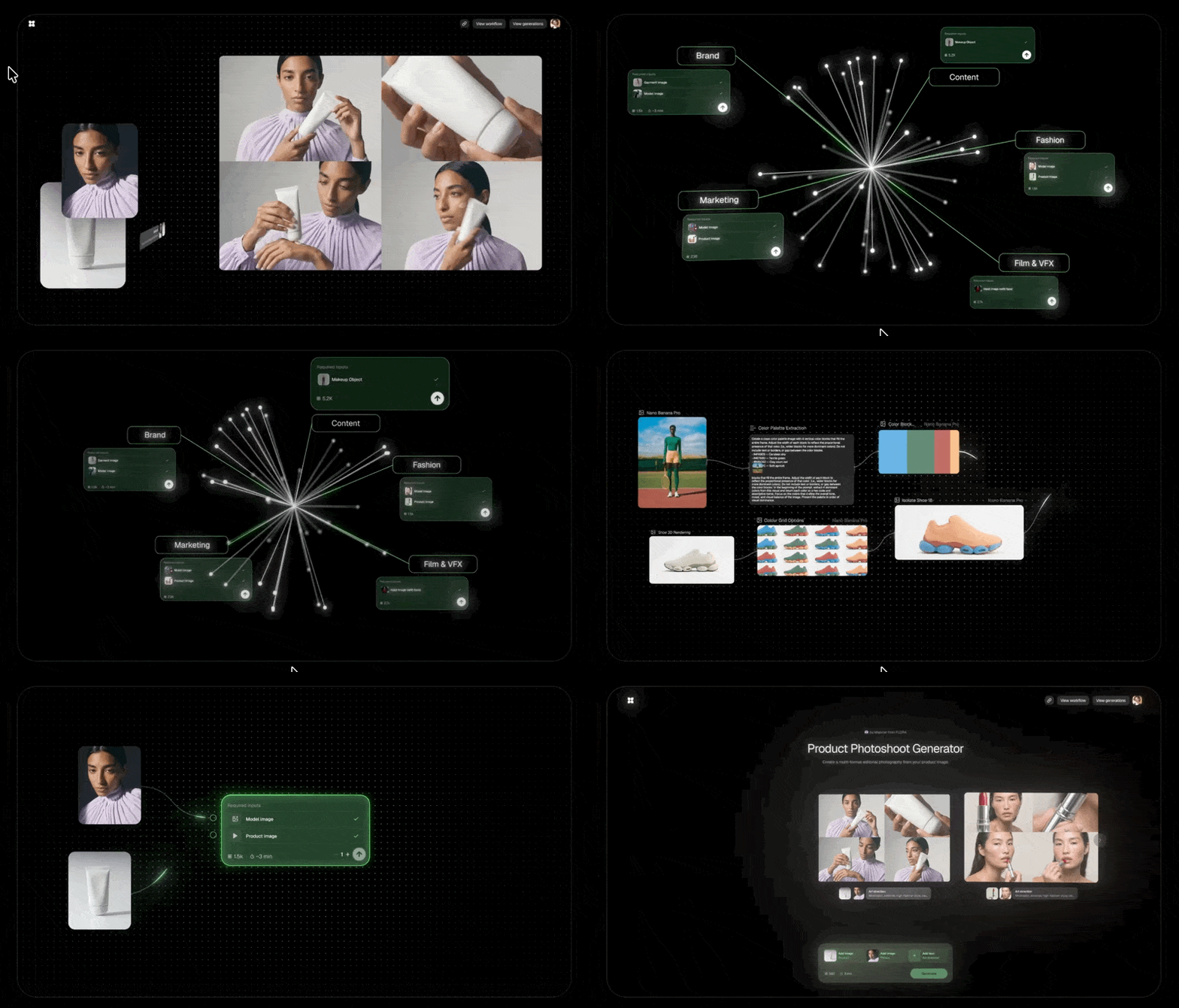
It's a clever way to make advanced AI pipelines much more approachable for everyday creatives.
7. AI-Assisted Books Continue to Grow
New research suggests that AI-assisted publishing is becoming increasingly common.
Researchers estimate that roughly one-third of bestselling books contain substantial amounts of AI-generated writing.
One author who has released eight AI-assisted books has reportedly generated around $1.7 million in revenue.
Interestingly, fantasy and horror appear to be exceptions, with readers in those categories still showing a stronger preference for primarily human-written stories.
The numbers show that generative AI is moving beyond experimentation and becoming a practical part of professional writing and publishing.
8. AI for YouTubers Enrollment Is Open
Enrollment for AI for YouTubers is officially open until August 5, when training begins.
The course teaches practical AI workflows for every stage of YouTube production, including ideation, scripting, production, optimization, and channel growth.
Students who join during the beta will also have the opportunity to receive direct feedback on their YouTube channels from the Curious Refuge team.
Grab your seat today and learn how to build and grow a YouTube channel with AI.
8. Curious Refuge Community Meetups
San Francisco and Denver recently hosted in-person meetups and they looked like a blast.
More community events are coming soon, including meetups in Los Angeles, London, and Denver.
We also host weekly livestreams every Thursday, where students and community members can connect, ask questions, and learn about the latest AI filmmaking workflows.
Visit the AI Events page to find an upcoming event near you.
9. AI Films of the Week
This week’s featured AI films include:
Pomegranate by Gossip Goblin stands out for its storytelling, sound design, character design, color grading, and polished finishing work. The project feels like a complete film rather than a collection of disconnected AI-generated shots.
Little Mes by Lucas Levitan was a finalist in the Runway AI Film Competition and is another strong example of thoughtful AI storytelling.
Unheld by the Flick Residency AI Film Series was a really interesting concept piece with a lot of emotional nuance. The choice of shots were great!
Be sure to check out both projects and support the filmmakers behind them.
What does this AI Film News Mean?
One trend stood out across nearly every announcement this week: AI is moving beyond generating individual images and videos toward understanding entire scenes and creative workflows.
From InSpatio and Adobe Wonder to NVIDIA Cosmos, we're seeing more companies build toward AI that can understand images, video, audio, characters, and entire environments together instead of relying on separate tools.
Free Training | Intro to AI Storytelling
If you want to stay ahead of these changes and learn the latest AI filmmaking workflows, check out our free course and join thousands of creators exploring the future of storytelling with AI.
Fill out the form above and get instant access. You also get free access to our global community full of AI creative from all walks of like.
We would love to see you there!
