
Free AI Videos Just Got Way Better | AI Film News
In this article and video tutorial, we’ll dive into LTX 2.5 and see how it compares to MiniMax H3, along with a few other pieces of AI Film News.
This week, we saw major updates to open-weight AI video, 3D generation, creative workflows, and more.
Before we dive in, here are the highlights:
We compared LTX 2.5 against MiniMax H3
Meshy 7 turns images into textured 3D models
Adobe Creative Cloud tools are coming to ChatGPT
Magnific 3D Motion gives filmmakers more control over AI camera movement
Suno is changing how many songs users can download
And a ton more, so let’s jump right in!
Free AI Videos Just Got Way Better | AI Film News
Below we breakdown the top new AI tools and other AI Film news from the past week.
Free AI Videos Just Got Way Better | AI Film News
Here’s a list of all the AI news from the past few weeks.
1. LTX 2.5 is Here
LTX is the latest open-weight AI video model from LTX, bringing improvements to video quality, control, resolution, and generation speed.
Because it's open-weight, filmmakers can download the model, run it locally, and even train it on specific data, IP, or characters while keeping that information in-house.
Here are some of the biggest updates:
Up to 4K output with HDR and RAW
Improved multi-shot consistency
As little as 16GB of VRAM to run locally
Faster-than-real-time generation on optimized hardware
But the feature that really caught our attention was speed.
According to LTX, an optimized machine can generate a 10-second 1080p video in 6.8 seconds. In our online test, the same length took a little over 20 seconds.
So naturally, we wanted to see how the quality actually holds up.
2. LTX 2.5 vs. MiniMax H3
We put LTX 2.5 head-to-head against MiniMax H3 across five filmmaking tests to see how the two open-weight models compare.
Test 1: Character Movement
We started with an orbiting shot of a woman running into a fight. LTX had some blobby motion blur and plastic skin texture, while MiniMax had its own strange parallax but produced more natural motion blur.
LTX 2.5
MiniMax H3
Test 2: Cinematic Environment
Next, we tested a woman walking through a neon-noir, dystopian landscape. MiniMax produced the much stronger result, with LTX struggling with the character's walk and some strange background movement. That said, LTX 2.5 was still a noticeable improvement over LTX 2.3.
LTX 2.5
MiniMax H3
Test 3: Action & Physics
For our explosion test, LTX struggled with some of the smaller physical details, while MiniMax produced the more compelling and usable result.
LTX 2.5
MiniMax H3
Test 4: Advertising
We also tried an editorial-style fashion shot. Neither model produced an amazing result, but we still preferred MiniMax.
LTX 2.5
MiniMax H3
Test 5: Multi-Shot Sequence
Finally, we tested LTX's improved multi-shot capabilities with a diner conversation. Despite prompting LTX for multiple shots, it gave us a single shot. MiniMax had some strange physics at the beginning, but overall did a much better job.
LTX 2.5
MiniMax H3
Across most of our tests, MiniMax H3 was the clear winner for physical dynamics, realism, and prompt adherence. It still isn't quite at the level of models like Seedance 2.0 or 2.5, but when it comes to open-weight AI video models, it's currently our pick for overall quality.
Where LTX 2.5 gets interesting is speed. It supports 4K, HDR, RAW output, and local generation, and LTX claims it can be more than 25 times faster. In the time it takes to generate one MiniMax clip, you could potentially generate many more options with LTX and choose the best result.
So while MiniMax wins on quality, LTX's speed could make it a really interesting option for filmmakers generating at scale.
3. MiniMax H3 Licensing Update
We also wanted to clarify something we discussed last week about MiniMax H3.
Users in the United States, European Union, United Kingdom, and South Korea aren't automatically covered to download and use the model locally under the standard license.
However, MiniMax provides a form where users can apply for a license.
We tested the process from both an individual and studio perspective, and our applications were approved basically automatically.
There is an important caveat for professional studios, though.
The agreement includes indemnification language related to claims arising from generated content, so this is something you'll want to review carefully and potentially run by your legal team before using the model professionally.
With that caveat, MiniMax H3 is one of the most compelling open-weight AI video options we've tested so far.
4. Meshy 7 Turns Images Into 3D Models
In 3D generation news, Meshy 7 gives creators the ability to upload an image and automatically turn it into a textured 3D model.
To test it, we uploaded an image of a monster character.
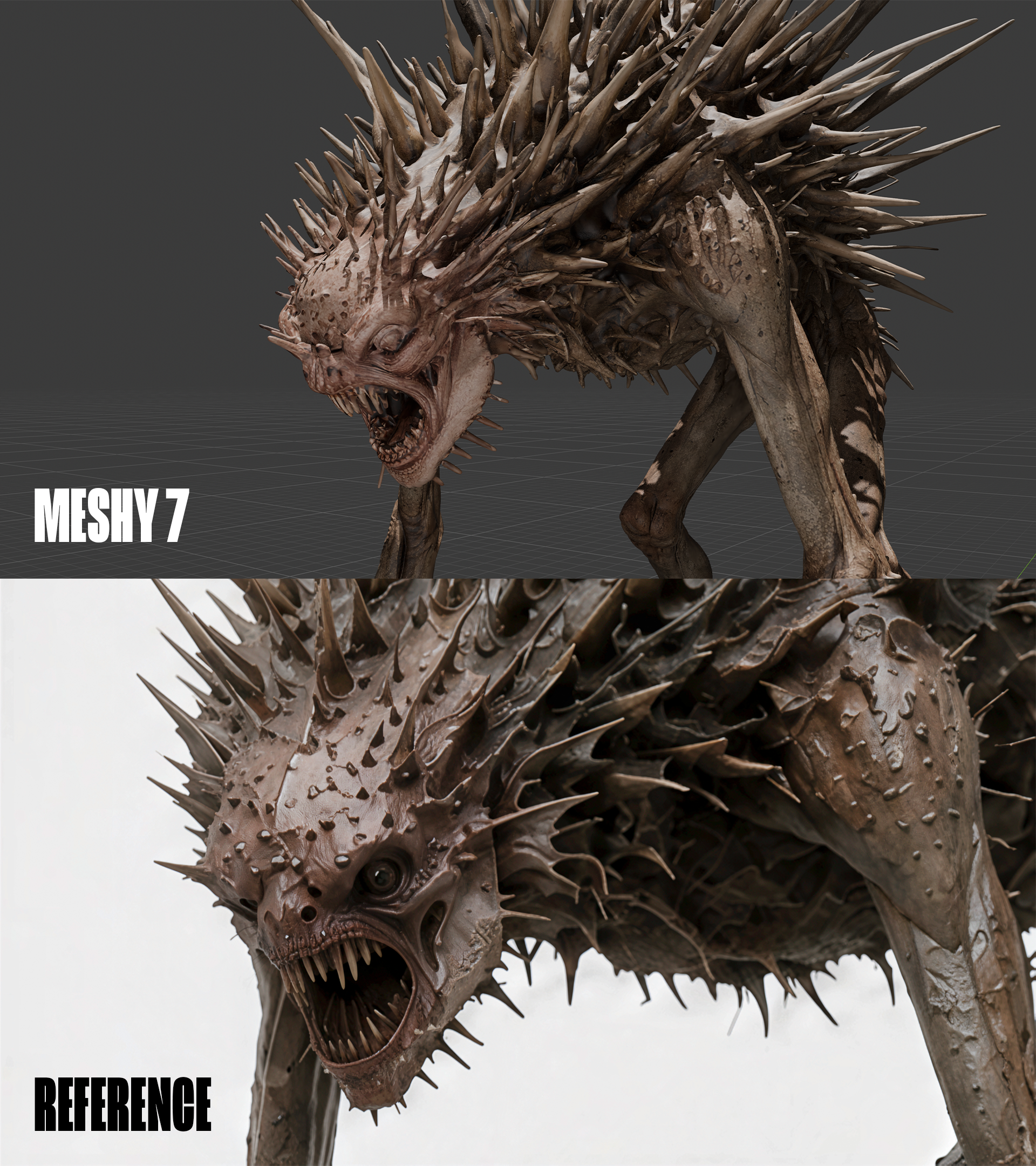
The result was honestly pretty impressive.
It's not perfect. Some areas of the geometry would still need to be cleaned up, and the texture isn't extremely high resolution.
But the amount of usable geometry Meshy was able to generate automatically from a single image is really exciting.
5. Adobe Creative Cloud Comes to ChatGPT
Adobe is bringing more of its creative ecosystem into ChatGPT, including tools across Photoshop, Premiere, Lightroom, Illustrator, Acrobat, Firefly, and more.

This is another interesting step toward an increasingly multimodal creative workflow where images, video, audio, and documents can all be manipulated through a conversational interface.
6. Suno Limits Music Downloads
Suno is also changing how users can access generated music.
Users can still generate an unlimited number of songs, but downloads are being limited to around 20 songs per month.
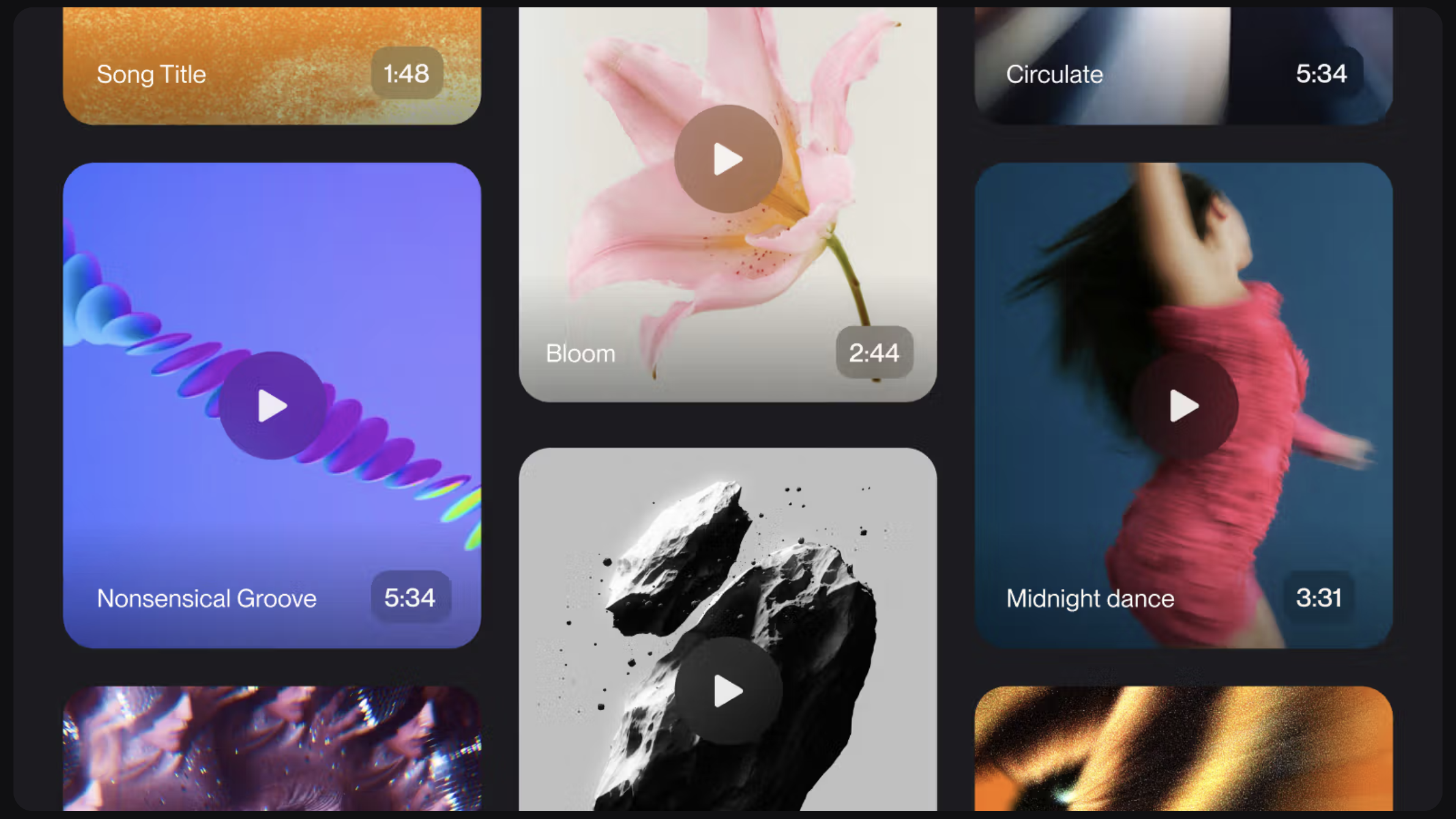
It's another example of a broader trend we've been seeing across AI image, video, and music platforms: truly unlimited plans are becoming harder to find.
For creators working with frontier AI models at scale, generation costs are increasingly becoming something you'll need to factor into production.
6. Magnific 3D Motion + Seedance 2.5
One of the more interesting filmmaking workflows we tested this week came from Magnific 3D Motion.
A common AI filmmaking technique is to start with a rough 3D environment and use an AI video model like Seedance to transform it into a more realistic final scene.
The challenge is that this traditionally requires at least some basic 3D knowledge.
Magnific's new workflow makes the process much more accessible.
We started with a single image and brought it into Magnific, which created a navigable 3D environment.
From there, we could move around the scene, position the camera, and create keyframes to define the exact camera movement we wanted.

Reference Image
Motion Reference
Seedance 2.5
We then took that controlled camera movement into Seedance 2.5 and completely transformed the environment.
The exciting part is that we maintained specific control over the camera movement while letting the AI reinterpret the visual world around it.
We ran another test with a spaceship scene and created an orbiting camera move around the ship.
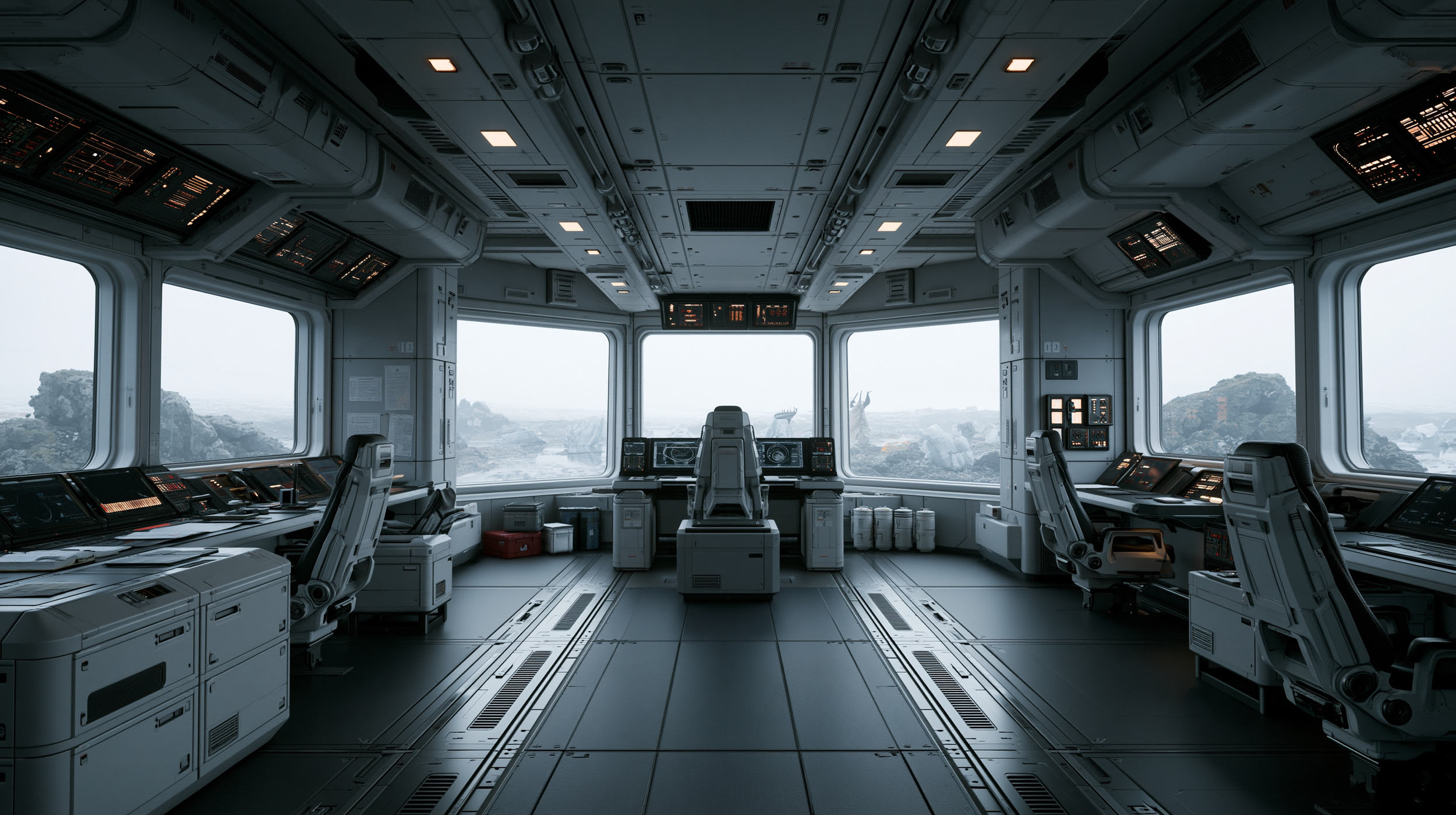
Reference Image
Motion Reference
Seedance 2.5
The final result still had a slightly Unreal Engine-like quality rather than feeling completely photorealistic, but the workflow points toward something really useful: using AI-generated 3D environments to art direct your camera movement before generating the final AI video.
8. Beijing Announces AI Innovation Zone
Beijing has announced an approximately 16-square-mile AI Innovation Zone designed to support AI companies and initiatives.
We also came across an unrelated open-source GitHub project exploring how AI could be used to simulate legislation and community decisions over time.

To be clear, the project isn't connected to the government.
But it's an interesting example of how people are beginning to think beyond AI-generated media and explore how these systems could potentially be used to model cities and communities.
We've seen enough sci-fi movies to know where this could go. 😂
9. Dreamina Launches Story Unboxed Competition
Dreamina has launched a new Story Unboxed competition built around Seedance 2.5.
Creators are given a primitive gray-box video and challenged to transform it into a finished scene using Seedance.
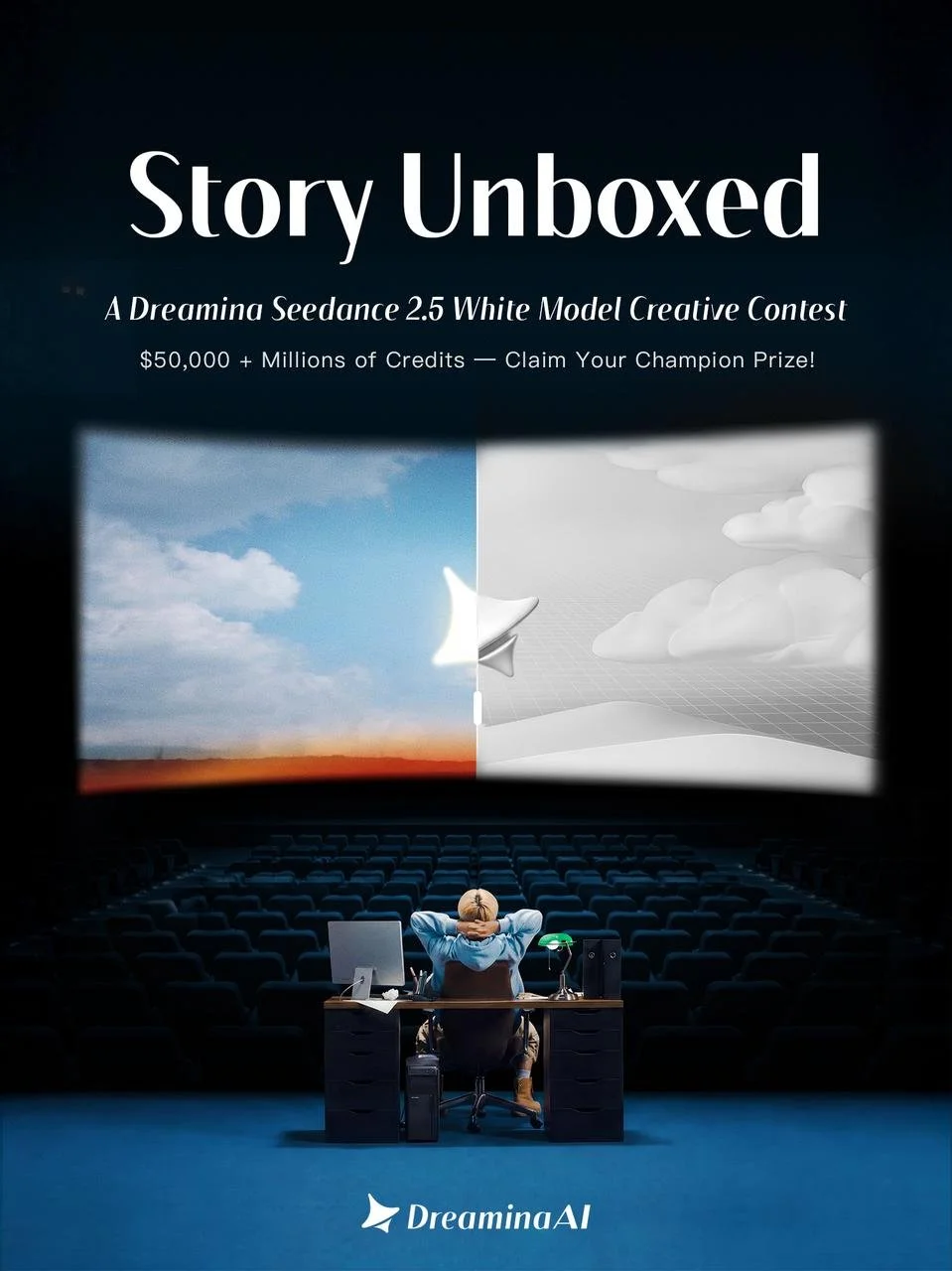
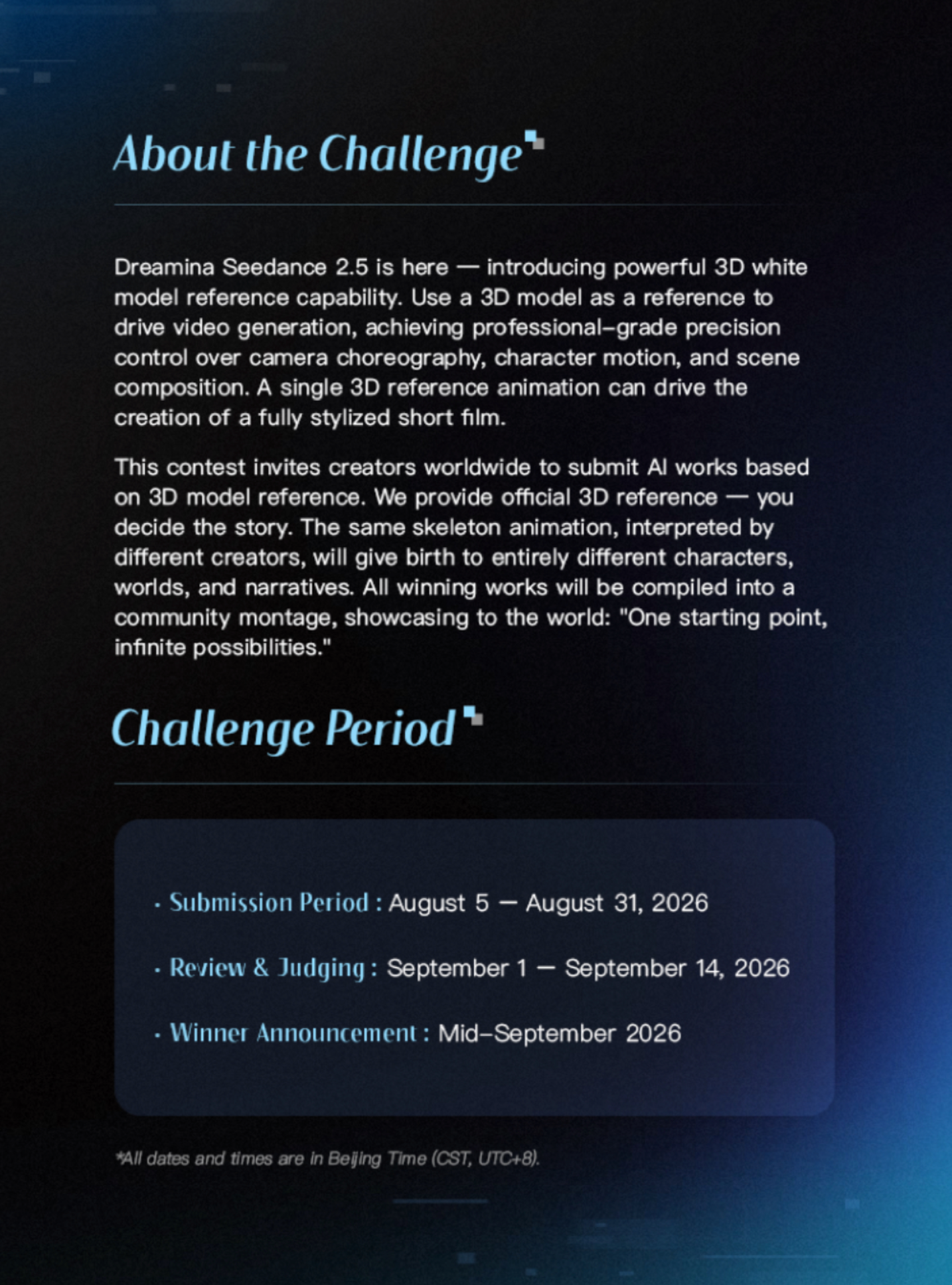
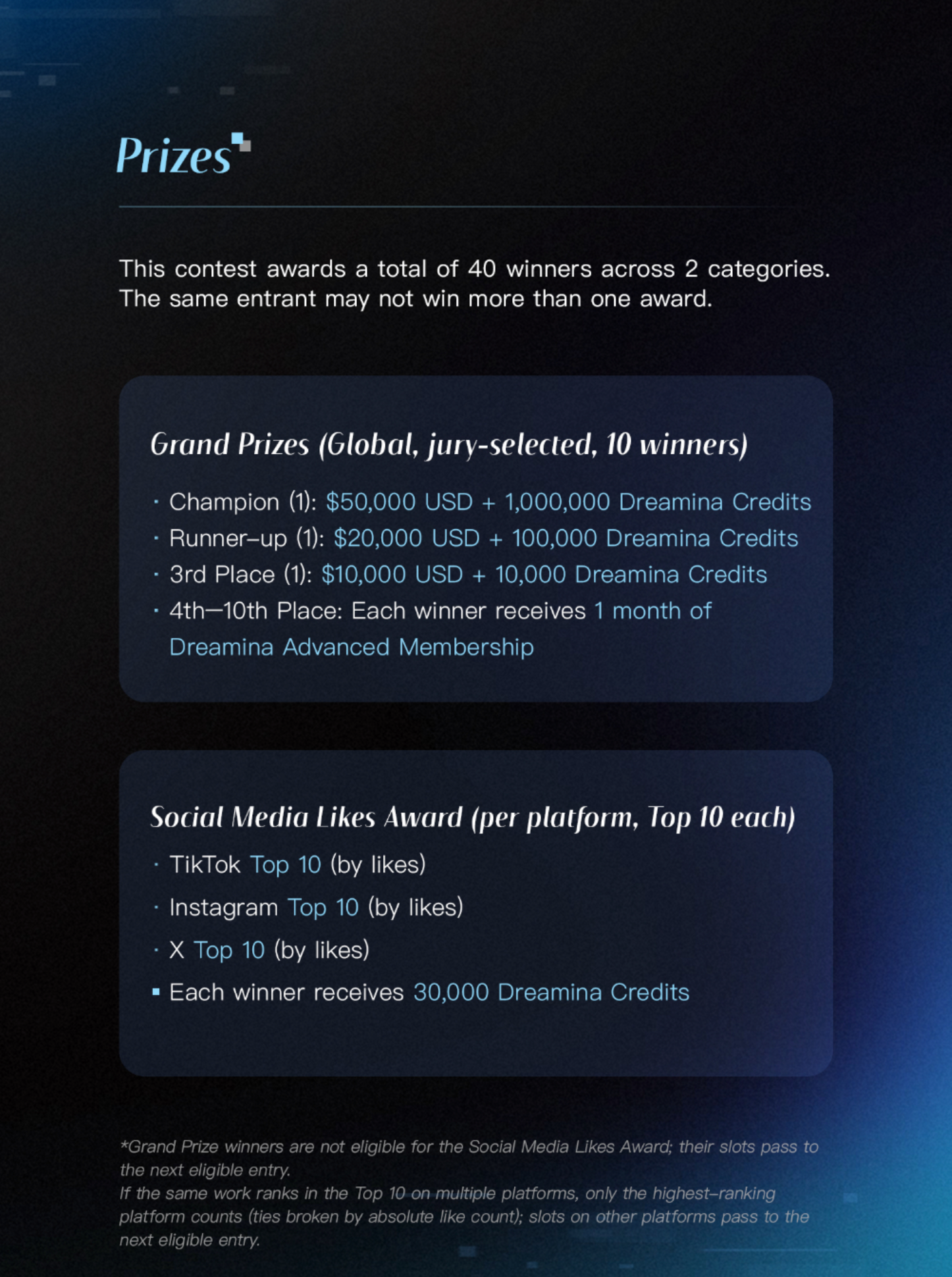
Entries are open through August 31, with a $50,000 prize for the winner.
Based on the competition eligibility Caleb reviewed, creators in the United States don't appear to be eligible, but creators in several other regions can participate.
10. Curious Refuge Community Updates
We also had another great week inside the Curious Refuge community.
Stacey Kelly hosted a workshop about how to land a job from your social media feed, which Curious Refuge members can watch inside the community.
Our global meetups also continue, with the community recently getting together in London and more meetups coming up in New York, Denver, LA, Bulgaria, and Palm Beach.
We also host weekly livestreams every Thursday, where students and community members can connect, ask questions, and learn about the latest AI filmmaking workflows.
Visit the AI Events page to find an upcoming event near you.
9. AI Films of the Week
This week’s featured AI films include:
Hangover Drink Spec Ad by Adam Palmer- One of the best AI ads we've seen recently. Adam's advertising background really comes through in the concept and storytelling, proving that strong creative thinking still matters just as much as the tools.
The Tower by Danny Seng - An ambitious AI film set inside a massive open world, with impressive sound design, music, and generations.
Plume by Dave Clark - A high-concept sci-fi project from Promise Chief Creative Officer Dave Clark. It's eerie, cinematic, and the type of concept that traditionally could have cost millions of dollars to produce.
Check out other amazing work in our AI Film Gallery.
What does this AI Film News Mean?
This week's updates show two interesting directions happening at the same time.
Models like LTX 2.5 and MiniMax H3 are making powerful open-weight AI video generation increasingly practical, while tools like Meshy 7 and Magnific 3D Motion are giving filmmakers more control over the worlds, characters, and camera movements surrounding those generations.
The quality still isn't perfect. But speed, control, local generation, and 3D workflows are improving quickly.
For filmmakers, the question is increasingly becoming less about which single AI model is “best” and more about which combination of tools makes the most sense for a specific production.
Free Course | Intro to AI Storytelling
If you want to keep up with the latest AI filmmaking tools and workflows, explore our free course and join thousands of creators learning what's next.
Fill out the form above and get instant access. You also get free access to our global community full of AI creative from all walks of like.
We would love to see you there!
